
Laos detains foreign hostel staff over backpacker methanol poisonings as families and travelers demand answers
Laos Detains Foreign Hostel Staff Over Methanol Poisoning Incident
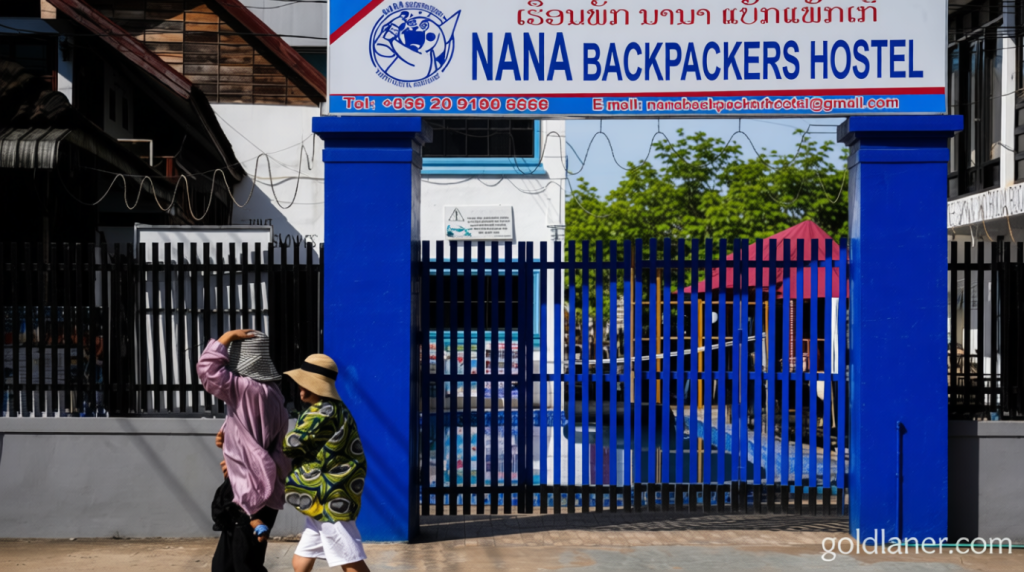
Laos detains foreign hostel staff over – Laos authorities have arrested eight employees of a backpacker hostel in the northern town of Vang Vieng, investigating the deaths of six international tourists linked to suspected methanol poisoning, reported by state-linked media. The incident has sparked urgent inquiries from Western governments and families of the victims, who are demanding transparency about the circumstances surrounding the poisoning. The hostel, known as Nana Backpacker Hostel, is under scrutiny for offering free alcoholic drinks to guests, with at least five of the deceased having stayed there. The detained staff members, all Vietnamese nationals aged between 23 and 44, were taken into custody on Monday, according to the Laotian Times, a state-affiliated newspaper. The owner and manager of the hostel, also Vietnamese, were previously questioned by police, as noted by the Associated Press.
International Concerns Emerge
The deaths of two Australian teenagers, a British woman, an American man, and two Danish women have led to heightened alerts from several Western nations. Officials in Australia, the UK, and the US have issued warnings to travelers about the risks of consuming contaminated alcohol in Laos. Reports of additional cases of illness have further fueled speculation about a potential mass poisoning event. The hostel’s role in the incident has drawn particular attention, as it is alleged that free shots of alcohol were served to guests, possibly exposing them to methanol. While the exact source of the toxin remains unclear, investigators are focusing on the hostel’s supply chain and the methods used to prepare the drinks.
Hostel Manager’s Account
According to the Associated Press, the hostel’s manager provided details about the events. He stated that the two Australian women who died had joined over 100 guests for free shots at the hostel before going out for the evening. However, he claimed no other guests had reported issues with the drinks, raising questions about the timeline of the poisoning. The manager’s statement adds to the confusion, as it suggests a lack of immediate awareness among the hostel’s patrons. Families of the victims, meanwhile, are struggling to make sense of the situation, with some expressing frustration over the delayed response from Laos authorities.
Families and Travelers Demand Answers
The families of the deceased and fellow travelers are actively seeking clarity about the incident. With limited information from the government, they have turned to independent investigations to uncover the truth. One anonymous traveler, speaking to CNN, described conducting a survey of those who had fallen ill or been hospitalized after drinking suspected methanol-laced beverages. Many respondents reported feeling unwell after consuming alcohol at multiple bars and hostels in the town. While CNN cannot independently verify these claims, the accounts highlight the widespread nature of the issue and the potential for a larger outbreak.
Lao Authorities’ Response
Despite the severity of the situation, Laos authorities have been slow to provide detailed updates. A public statement from the official Lao News Agency (KPL) was issued only a week after the first death, naming methanol as the likely cause of the fatalities. However, the statement did not clarify how the toxin entered the alcohol supply or where it originated. This lack of transparency has raised concerns about the government’s handling of the crisis. As the investigation continues, the question of whether the poisoning was intentional or accidental remains unanswered.
International Reactions and Support
As the situation unfolds, the Australian government has shown particular concern for its citizens. The bodies of 19-year-old Holly Bowles and Bianca Jones, who were best friends, were returned to Melbourne on Tuesday night. Their fathers, speaking at the airport, expressed gratitude for the efforts of the Australian government and the public support they received. “We want to grieve. We miss our daughters desperately,” said Mark Jones, Bianca’s father. “I was happy to hear that there’s been some movement over in Laos… I would continue to urge the Laos government to continue pursuing whomever.” The families’ emotional appeals underscore the personal toll of the tragedy, even as they await official conclusions.
Context of Vang Vieng
Vang Vieng, once a hub for nightlife and party culture, has become a focal point for the investigation. In recent years, the town was known for its affordable alcohol and vibrant party scene, attracting thousands of backpackers annually. However, its reputation took a hit in 2012 when a series of fatal accidents linked to unsafe drinking practices and poor safety standards prompted a government crackdown. The town was then rebranded as an eco-tourism destination and adventure travel hub, aiming to shift its image from a party hotspot to a more responsible tourist area. The methanol poisoning incident now threatens to rekindle concerns about the town’s safety and the quality of its services.
Expanding the Scope of the Inquiry
As the investigation progresses, authorities are examining broader factors that may have contributed to the poisoning. Methanol, a toxic alcohol commonly found in industrial solvents and fuel, can be accidentally or intentionally mixed into drinks. While some believe the contamination occurred during traditional brewing methods, others suspect deliberate tampering for profit. The hostel’s role in this scenario has been central, but the incident has also prompted questions about the local alcohol industry and distribution networks. Travelers in Vang Vieng have begun documenting their experiences, sharing stories of sickness and confusion with the drinks they consumed. These accounts, though unverified, paint a picture of a crisis that may have affected more than just the hostel’s guests.
Global Implications and Ongoing Efforts
The incident has reignited discussions about the safety of alcohol in Laos, particularly in regions popular with international tourists. The Lao government’s delayed response has drawn criticism, with some arguing that transparency is crucial to rebuilding trust. Meanwhile, international media and organizations continue to monitor the situation, highlighting the need for thorough investigations. CNN’s coverage of the story has emphasized the lack of clarity, with contributors like Kocha Olarn and Helen Regan providing updates as new developments emerge. The arrest of the hostel staff is seen as a step toward accountability, but many remain skeptical about the depth of the inquiry.
What Lies Ahead?
With the investigation ongoing, the focus is now on determining the extent of the poisoning and identifying those responsible. The Lao government’s decision to detain the hostel’s employees signals a commitment to addressing the issue, but the lack of concrete details continues to fuel speculation. The third Australian tourist who fell ill is currently recovering in a stable condition, offering a glimmer of hope amid the tragedy. As the families of the victims process their loss, the international community watches closely, urging Laos to provide a full account of what transpired. The incident not only highlights the risks of drinking contaminated alcohol but also raises broader questions about the management of tourism infrastructure in the region.
The case underscores the challenges of ensuring safety in a country where media is tightly controlled, limiting the flow of information to the public. While the Lao government has taken steps to address the issue, the delay in communication has left many travelers in uncertainty. The hostel’s employees, now in custody, are expected to play a key role in unraveling the mystery, but the investigation is far from complete. As the story continues to unfold, the impact on Vang Vieng’s reputation and its tourism industry remains a critical concern for both local and international stakeholders.
