
Trump’s advanced age and threats to his life serve as reminders of his own mortality
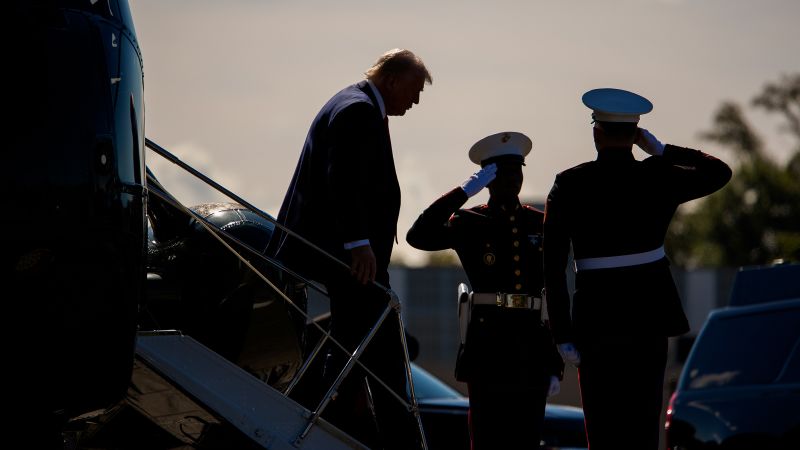
Trump’s Advanced Age and Security Threats Highlight Concerns Over His Physical Condition
Presidential Health Assessments and Public Perceptions
Trump s advanced age and threats – President Donald Trump’s recent hospital visit, during which he returned to the White House with a declaration of “PERFECTLY” healthy results, has done little to dispel skepticism about his overall well-being. Despite his confident assertion, the episode has reignited debates about his physical stamina, particularly as his age continues to be a focal point in political discourse. The White House has emphasized that the exam included “routine annual dental and medical assessments,” yet this has raised questions about the necessity of repeated check-ups, especially given his prior visits to a Florida dentist this year.
Trump’s team frequently portrays him as a dynamic leader with unflagging energy, but this image has been challenged by visible signs of aging, such as leg swelling and hand bruising. These indicators, though minor, have prompted critics to question whether his physical condition might impact his ability to govern effectively. Even after multiple medical evaluations, his advisors remain steadfast in their defense, insisting that his vitality is unmatched. However, subtle hints of self-awareness have emerged, with Trump occasionally reflecting on his limited time on Earth.
“I don’t know how long I’ll be around,” he remarked during an event in the East Room earlier this year. “I have a lot of people gunning for me.”
Such remarks, while framed as lighthearted observations, underscore a growing awareness of his mortality. Trump’s frequent musings about life’s unpredictability and his own eventual fate have become a recurring theme, often paired with references to his vulnerability to threats. His comments suggest a deeper contemplation of his legacy, though he typically ties these reflections to the ever-present danger of assassination. This mindset aligns with his tendency to frame challenges as external, rather than acknowledging personal decline.
Medical History and the Walter Reed Connection
Trump’s third visit to Walter Reed National Military Medical Center this year marks a significant pattern in his health management. As the oldest president ever inaugurated, his reliance on the facility for medical evaluations has drawn attention to the potential for hidden conditions. While the White House claims the check-up is routine, critics argue that the frequency of these visits may indicate a more pressing need for monitoring his physical state.
During his time at Walter Reed, Trump’s demeanor has been characterized by a mix of confidence and guardedness. He often uses the opportunity to reassure the public of his health, even as his aides highlight moments of fatigue. For example, a communications aide recently announced that the president was in the Oval Office at 9:30 p.m. on a weekend, underscoring his commitment to working late despite visible signs of weariness. This contrast between public bravado and private vulnerability has become a recurring narrative.
Security Threats and the Perception of Risk
The president’s advancing age and high-profile position have made him a target for those seeking to end his tenure. Recent incidents, such as the Secret Service’s fatal shooting of a man at a White House checkpoint, serve as stark reminders of the dangers he faces. The attack, which occurred while Trump was inside the building, was described by officials as a direct threat to his safety, reinforcing the idea that his life is constantly under scrutiny.
Security concerns have also been exacerbated by past events. Iran, a nation with which Trump is in conflict, has previously plotted his assassination, and two individuals close to him—Japanese Prime Minister Shinzo Abe and conservative activist Charlie Kirk—have been killed by lone gunmen in public settings. These incidents highlight the interconnected nature of political and personal risks, as well as the broader implications of his leadership style on the safety of those around him.
“It’s a dangerous life,” he shrugged after a gunman attempted to enter the ballroom where he was about to dine on steak and lobster. “I don’t happen to be a senior. I’m much younger than you,” he insisted at a Florida retirement community this month, referencing his age with a blend of defiance and self-deprecation.
Trump’s ability to remain composed in the face of threats has become a hallmark of his public persona. Yet this composure masks a deeper concern: his physical and mental resilience. While he has consistently downplayed any signs of decline, the cumulative effect of years in office, combined with the pressures of the current political climate, has created a narrative of fragility. His insistence on comparing himself to “Sleepy Joe” Biden, a former president often perceived as slower in decision-making, further emphasizes his desire to project an image of unyielding strength.
Historical Context and the 2015 Physician Letter
Questions about Trump’s health are not new. In 2015, during his first presidential campaign, his personal physician issued a statement claiming he would be “the healthiest individual ever elected to the presidency.” The letter, written by Harold Bornstein, has since become a symbol of the optimism surrounding his candidacy. However, it also foreshadowed the scrutiny that would follow his tenure, as his health status has become a recurring topic in media and political analysis.
The physician’s assertion, made before Trump’s age had been a major factor in his election, has been scrutinized in light of his recent physical challenges. Critics argue that the letter’s claims may have been overly optimistic, given the eventual toll of his presidency on his body. The White House has maintained that Trump’s health is a matter of public interest, but the lack of legal obligation to disclose medical information means that transparency is not guaranteed. This has led to speculation about whether he has concealed any critical issues over the years.
Private Thoughts and Public Resilience
Despite his public displays of strength, Trump has occasionally revealed glimpses of his personal reflections on aging. One notable instance occurred when he welcomed King Charles III to the White House last month. During the meeting, he referenced his parents’ 63-year marriage, which he had celebrated as a “record,” before turning to his wife, with whom he has been married for 21 years. “That’s a record we won’t be able to match, darling,” he said, implying that his own lifespan might not reach the same milestone.
These moments of introspection, though brief, suggest that Trump is not entirely dismissive of his mortality. However, they are often framed as light-hearted observations rather than serious acknowledgments. His ability to maintain a calm exterior in the face of threats, such as the panic-inducing press dinner where a gunman attempted to breach the ballroom, has further solidified his image as a resilient leader. Yet, this resilience is being tested by the combination of his age and the persistent danger he faces.
As the president continues to navigate the complexities of leadership, his health remains a central issue. While his team insists that his condition is stable, the juxtaposition of his public confidence with private concerns about longevity raises important questions. Whether he will continue to project an image of invincibility or acknowledge the natural limits of human life remains to be seen. For now, the balance between his physical vitality and the shadow of his advancing years persists, shaping both his legacy and the perception of his presidency.
