
Bomb attack near railway station in southwest Pakistan kills at least 23
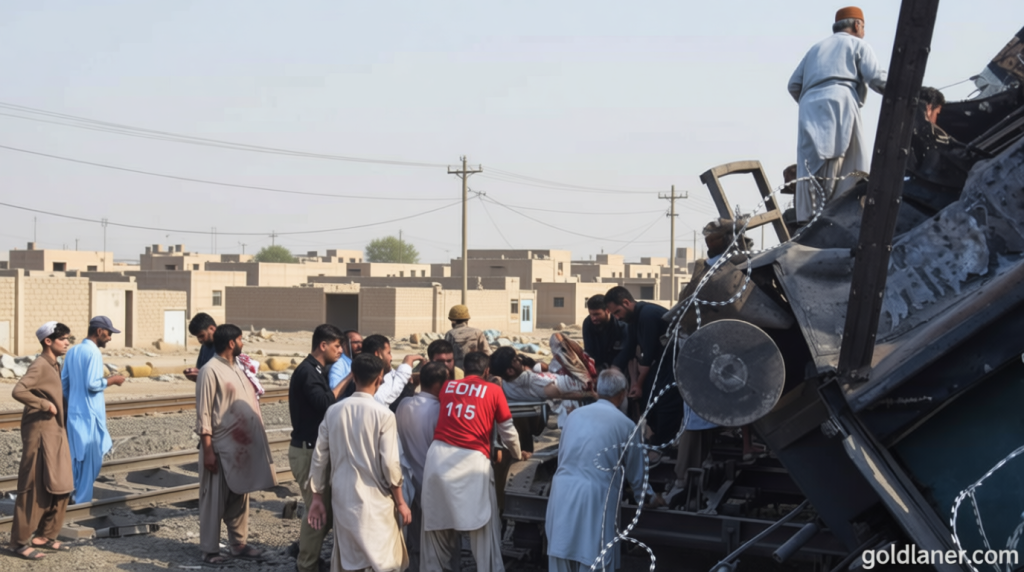
Bomb attack near railway station in southwest Pakistan kills at least 23
Bomb attack near railway station in southwest – On Sunday, a violent explosion rocked a railway station in Quetta, a city in southwestern Pakistan, killing at least 23 people and injuring 71 others. The blast occurred as a train was moving through the area, sending shockwaves that disrupted the station and surrounding neighborhoods. Emergency services are working to stabilize the situation, with rescue operations continuing at the site. The attack has raised concerns about the safety of public transport in the region and the growing threat of militant activity.
BLA Claims Responsibility for the Blast
The Baloch Liberation Army (BLA), a separatist group seeking independence from Pakistan’s central government, has taken credit for the attack. According to police sources, the explosion was carried out by a suicide bomber, marking another instance of targeted violence in the area. The BLA has previously been linked to several bombings and assaults in Balochistan, a province known for its volatile security environment.
Authorities have cordoned off the railway station to investigate the incident further. Bomb disposal teams are inspecting the site for any remaining explosives, while security forces are enhancing their presence in the region. Rescue officials reported that at least 23 bodies were recovered from the location, and 71 injured passengers were being transported to nearby hospitals. The scale of the casualties has prompted an emergency declaration at Quetta’s medical facilities, with doctors and staff working tirelessly to treat the wounded.
Witness Accounts Highlight the Devastation
“I was right there near the tracks. I can’t even believe how we survived,” said a man who witnessed the explosion. “The blast was so huge. Thank God, we made it out alive.”
The individual, identified as a survivor, described the scene as chaotic and terrifying. The force of the blast reportedly shattered windows, uprooted trees, and threw debris across the platform. Nearby residents reported hearing a loud detonation followed by screams and the sound of collapsing structures. The attack targeted a densely populated area, with many passengers caught in the blast’s aftermath.
Deputy Superintendent Police (City) Qadir Qambrani confirmed that the death toll could increase as rescue efforts persist. He noted that over 100 individuals are believed to be either deceased or injured, though exact figures are still being verified. “The situation is critical, and we are working around the clock to ensure no one is left behind,” Qambrani added. The provincial government has pledged to support the investigation and provide resources for recovery operations.
Political Responses and Security Measures
Pakistan’s Prime Minister Shehbaz Sharif condemned the attack, labeling it a “heinous bomb explosion” in a statement on X. He emphasized that such acts of terrorism would not deter the nation’s determination to safeguard its citizens. “The resolve of the people of Pakistan remains unshaken,” Sharif wrote, vowing to strengthen counterterrorism measures in the wake of the incident.
Following the attack, the Interior Minister Mohsin Naqvi visited Quetta to address the crisis. During a meeting with the chief minister of Balochistan, he expressed solidarity with the affected communities, calling the militants “beasts” who had attacked innocent civilians with extreme brutality. The meeting also outlined plans to coordinate with local authorities and improve security infrastructure in the province.
Quetta, the capital of Balochistan, has been a recurring target of separatist groups. The province, rich in oil and minerals, has long been a hotspot for insurgency, with militants often using public places to carry out attacks. The BLA, which operates in the region, has claimed responsibility for several high-profile incidents, including a series of bombings in February that killed at least 33 people. These attacks have underscored the ongoing conflict between the province’s separatist factions and the national government.
Aftermath and Community Impact
In the hours following the explosion, the city was in a state of alert. Public transport services were temporarily suspended, and schools and businesses in the vicinity were closed as a precaution. Residents expressed fear and frustration, with many questioning the adequacy of security measures. “We were in the station just to go home, and now we’re dealing with the aftermath of this tragedy,” said one local resident, describing the emotional toll of the event.
The attack has also intensified discussions about the need for improved infrastructure and emergency response systems in Quetta. Local officials highlighted the challenges of evacuating a large crowd quickly, particularly during peak hours. “The train was packed, and people had no time to react,” remarked a rescue worker, Muhammad Zeeshan. “It was a coordinated strike that caught everyone off guard.”
Broader Implications for Pakistan’s Security
The BLA’s latest attack is part of a pattern of violence that has persisted in Balochistan for years. Separatist groups have frequently used bombings, suicide operations, and ambushes to challenge the authority of the central government. Analysts warn that such attacks not only threaten civilian lives but also strain the country’s political stability. “These incidents are a reminder of the deep-rooted conflict in the region,” said a security expert. “The government must address both the security and economic grievances of the Baloch people.”
As the investigation unfolds, questions are being raised about the effectiveness of current counterterrorism strategies. The BLA’s use of suicide bombings has become increasingly sophisticated, with the group employing tactics that maximize casualties and disruption. In addition to the immediate loss of life, the attack has dealt a blow to public confidence in the safety of daily commutes and highlighted the vulnerability of transportation hubs to militant attacks.
Meanwhile, international reactions have been mixed. Some governments have expressed concern over the rising violence in Pakistan, while others have reiterated their support for the country’s efforts to combat extremism. The incident has also drawn attention to the role of local security forces in preventing further attacks. “We are learning from each incident to improve our preparedness,” said Qambrani, who remains optimistic about the long-term strategy to combat the BLA’s activities.
With the rescue teams still on the scene and hospitals bracing for more victims, the focus remains on stabilizing the situation and providing aid to those affected. The attack serves as a stark reminder of the ongoing security challenges in Pakistan, particularly in regions like Balochistan where separatist movements continue to pose a significant threat. As the nation mourns the loss of life, the government is under pressure to deliver results and ensure the safety of its citizens in the days ahead.
