
Trump and Netanyahu diverge on Iran war’s future in tense phone call
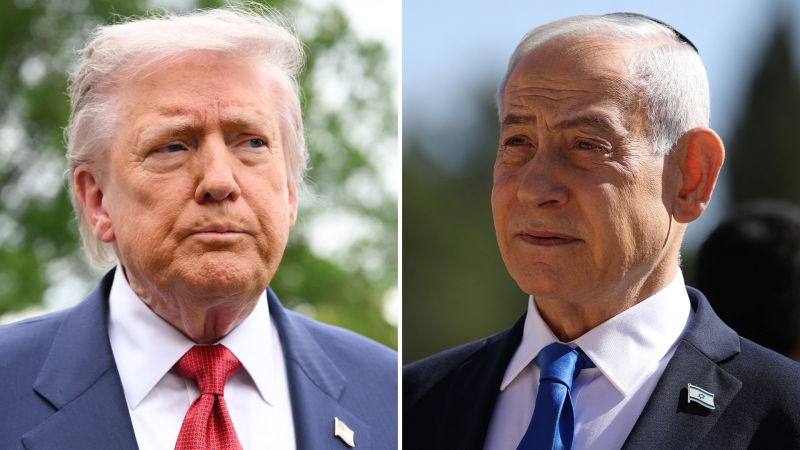
Strained Dialogue Between Trump and Netanyahu Reflects Diverging Priorities in Iran Conflict
Trump and Netanyahu diverge on Iran – A US official revealed that US President Donald Trump and Israeli Prime Minister Benjamin Netanyahu had a contentious conversation on Tuesday, underscoring their conflicting perspectives on the future of the Iran war. This exchange highlighted the growing tension between the two leaders as they debated the best path forward in dealing with Tehran. It was not the first interaction between them in recent days, with a prior conversation on Sunday setting the stage for Trump’s potential move to launch new targeted strikes against Iran.
Initial Talks and Plans for Operation Sledgehammer
During the Sunday call, Trump expressed his intent to proceed with strikes early in the week, according to the official. This operation, previously referred to by CNN as Operation Sledgehammer, was anticipated to be a pivotal moment in the conflict. However, within 24 hours of that discussion, Trump announced a pause in the planned attacks, citing requests from allies in the Persian Gulf. Qatar, Saudi Arabia, and the United Arab Emirates had urged him to hold back, fearing the escalation of tensions in the region.
Since then, the Gulf nations have been in close collaboration with White House representatives and Pakistani mediators to develop a framework for potential diplomatic engagement. The US official, alongside an individual with insider knowledge, noted that this effort aims to facilitate further talks. Trump, speaking on Wednesday, indicated that the negotiations are nearing their final phase. “We’re in the final stages of Iran. We’ll see what happens,” he said, hinting at the possibility of a deal or, if that fails, more aggressive actions. “We’ll either have a deal or we’re going to do some things that are a little bit nasty,” he added, while expressing hope for a peaceful resolution.
Netanyahu’s Frustration and Strategic Concerns
Israeli Prime Minister Netanyahu has shown clear dissatisfaction with the current diplomatic approach, which he views as less effective than a military strategy. Sources familiar with the situation claim that the prime minister believes delays in attacks benefit Iran. During their Tuesday call, Netanyahu conveyed his displeasure, asserting that the decision to halt strikes was a misstep. “He should have continued as planned,” the US official reported, highlighting the prime minister’s impatience with the US’s cautious stance.
Netanyahu’s frustration has not been limited to Trump. An Israeli source told CNN that the prime minister’s inner circle shares his concerns, emphasizing a strong desire to resume military operations. This sentiment is rooted in the belief that Iran’s diplomatic stalling must be countered with decisive action. The Israeli leader’s dissatisfaction with the US approach, particularly Trump’s pattern of making threats before pausing, is a recurring theme in their discussions. This dynamic has been acknowledged by US officials in past conversations, who have noted the differing objectives between the two nations.
Iran’s Stance and Media Statements
Meanwhile, Iranian Supreme Leader Mojtaba Khamenei has directed his government to keep near-weapons-grade uranium stockpiles within the country, according to Reuters, citing unnamed senior Iranian sources. However, a US official noted that this directive had not yet been shared with the White House as of Thursday morning. In response, Iran’s Foreign Ministry spokesperson, Esmaeil Baghaei, dismissed the uranium-related claims as “media speculation” with no factual basis, as reported by the state-affiliated Islamic Republic News Agency (IRNA). He further stated that rumors of a diplomatic breakthrough between Tehran and Washington are “not credible.”
Trump, addressing the issue on Thursday, reiterated his resolve to secure Iran’s highly enriched uranium. “No, no, we get the highly enriched. We will get it,” he said during a press briefing, emphasizing that the United States would take control of the material. “We don’t need it; we don’t want it,” he added, before suggesting that the uranium might be destroyed after it is retrieved. This statement underscores the US’s strategic interest in limiting Iran’s nuclear capabilities, even as Israeli officials argue that diplomacy could risk valuable momentum.
Diplomatic Momentum and Strategic Trade-offs
Despite Netanyahu’s insistence on military action, Trump has remained committed to pursuing diplomatic avenues. In a Wednesday press conference, the president described the situation with Iran as “right on the borderline,” suggesting that a few more days of negotiation could prevent casualties. This perspective highlights the US’s willingness to weigh immediate military consequences against long-term diplomatic gains. However, Israeli officials have expressed concern that such patience might allow Iran to strengthen its position, particularly in the absence of concessions on enriched uranium.
The ongoing talks have also been complicated by the role of Pakistan as a mediator. According to Iran’s Foreign Ministry, messages between Tehran and Washington have continued to flow through Islamabad, indicating the importance of regional allies in facilitating dialogue. This development has not alleviated Netanyahu’s skepticism, who remains wary of the prospects for a lasting agreement. An Israeli source familiar with the discussions noted that the prime minister’s frustration with Trump’s fluctuating approach is not new, but it has intensified in recent days as the stakes of the conflict have risen.
Leaders’ Diverging Objectives and Communication Styles
During their Tuesday conversation, Netanyahu made his expectations clear, urging Trump to proceed with the planned strikes. An Israeli source described the leader’s persistence, stating that he pushed for the resumption of military operations. This aligns with his long-standing advocacy for a more aggressive strategy against Iran. Trump, on the other hand, emphasized his openness to negotiation, reflecting a broader US focus on diplomatic solutions to prevent escalation.
The divergence in their approaches has created a rift in their relationship, with Trump asserting that he holds the reins of decision-making. “He’ll do whatever I want him to do,” the president said on Wednesday, suggesting a sense of control over the outcome of the talks. This claim contrasts with Netanyahu’s perception that Trump’s threats are merely tactical, with the president often deferring to allies before acting. The Israeli prime minister’s insistence on a hardline approach has thus led to heightened tension, even as both sides seek to balance military and diplomatic options.
International Context and Future Prospects
The situation in the Iran conflict has broader implications for international relations, with the Gulf nations playing a critical role in shaping the US’s strategy. Their close coordination with the White House and Pakistan highlights the interconnected nature of the region’s political landscape. As the talks continue, the pressure on both sides to reach a deal or escalate tensions will likely increase. Netanyahu’s position that diplomatic delays aid Iran’s goals remains a key point of contention, while Trump’s determination to maintain a balanced approach underscores his vision for a more strategic engagement with Tehran.
In summary, the tense phone call between Trump and Netanyahu encapsulates the challenges of aligning national interests in the Iran conflict. While Trump seeks to use diplomacy to secure Iran’s nuclear assets, Netanyahu remains focused on the immediate threat posed by Tehran’s continued expansion. The evolving dynamics between the two leaders, along with the involvement of regional allies and mediators, will determine whether the conflict moves toward resolution or further escalation. As the week progresses, the outcome of these discussions will have significant ramifications for both the United States and Israel’s strategic priorities in the region.
