
Judge dismisses charges against former school official in case of 6-year-old who shot teacher
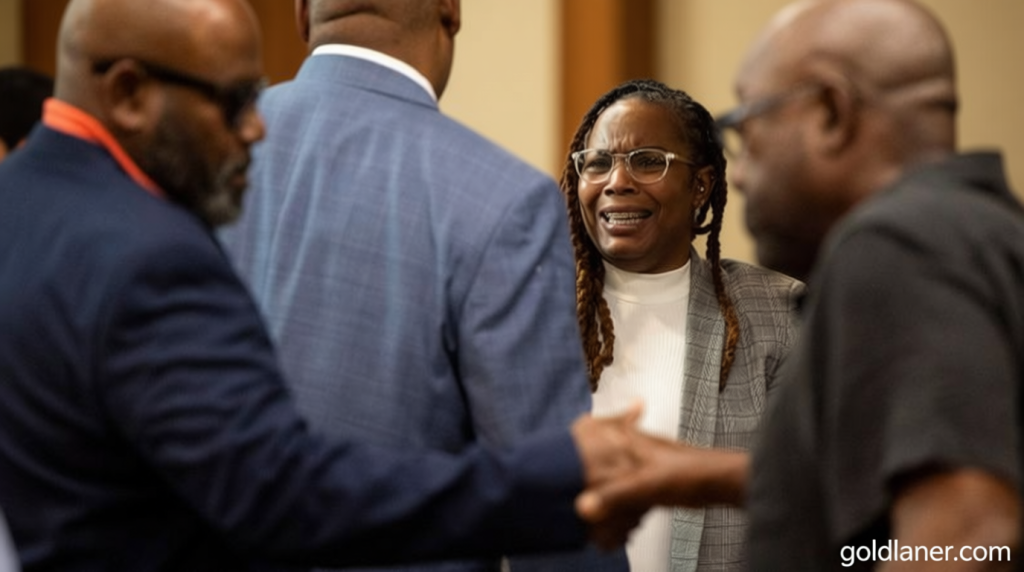
Judge Dismisses Charges Against Former School Official in Case of 6-Year-Old Who Shot Teacher
Judge dismisses charges against former school – On Thursday, a Virginia circuit court judge ruled to dismiss criminal charges against Ebony Parker, a former elementary school assistant principal, in a case tied to a January 2023 incident where a 6-year-old boy shot his teacher. The dismissal marks the end of a trial that has drawn attention to the legal boundaries of responsibility in school shootings involving minors. Prosecutors had argued that Parker failed to act on warnings about the child’s possession of a firearm, but her defense team contended the allegations lacked criminal intent.
The Shooting and Its Aftermath
The incident occurred at Richneck Elementary School, where the child, identified as having extreme emotional issues, discharged a gun during class. According to officials, the boy had retrieved the unsecured weapon from his mother’s purse and concealed it in his backpack before the shooting. The weapon wounded his first-grade teacher, Abby Zwerner, and sparked questions about the school’s response protocols. Parker, who was once in charge of student supervision, faced eight felony charges of child abuse and disregard for life, one for each bullet fired. Each charge carried a potential prison sentence of up to five years.
The case was dismissed with prejudice, a legal term that prevents it from being refiled. This decision was made after Circuit Court Judge Rebecca Robinson sided with the defense, stating that the allegations did not meet the threshold for criminal conduct. “The court is of the legal opinion that this is not a crime,” Robinson said, emphasizing that the charges relied on a definition of recklessness that was not clearly established. The dismissal left the school community and legal experts reflecting on the broader implications for accountability in such cases.
Legal Arguments and Trial Dynamics
Parker’s defense team argued that the prosecution’s case was built on a misunderstanding of the circumstances. They contended that Parker had taken reasonable steps to ensure the child’s safety, including directing an educator to search his backpack. However, the defense criticized her for waiting until the child’s mother arrived before checking his pockets, a decision they claimed showed insufficient urgency. “There was only one person in the school that day that had both the authority to act and the knowledge of the ongoing crisis, and that person was Dr. Parker,” said Assistant Commonwealth Attorney Josh Jenkins during opening statements. Yet, the defense flipped the narrative, suggesting that the teachers, including Zwerner, had been the ones neglecting their duties.
“If the commonwealth wants to accuse Dr. Parker, what about these other people that had direct contact with this child?” defense attorney Curtis Rogers questioned, challenging the prosecution’s focus on Parker. This statement encapsulated the defense’s strategy, which aimed to shift blame from the educator to the teaching staff who, they claimed, had failed to intervene promptly.
The trial’s proceedings were marked by a back-and-forth between the prosecution and defense over the admissibility of evidence. Defense attorneys repeatedly objected to testimony, arguing that certain pieces of information were not relevant or properly supported. These objections led to a unique courtroom dynamic, as the judge and attorneys debated the merits of the evidence before the jury. One juror reportedly expressed confusion during these exchanges, highlighting the complexity of the case.
Broader Implications for School Safety
This trial has become a pivotal moment in the ongoing discussion about who bears responsibility for school shootings. Legal experts note that it is one of several cases in recent years that have tested the limits of accountability. In some instances, parents have been convicted for their role in a child’s access to a firearm, while law enforcement officers accused of inaction in tragedies like Parkland and Uvalde have been acquitted by juries. Parker, however, appears to be the first school educator to face trial under such scrutiny.
The case also underscores a growing debate over the legal standards for holding adults accountable when a minor commits a violent act. Prosecutors had framed the incident as a result of Parker’s negligence, but the defense argued that the child’s behavior was beyond her control. “The dismissal of Parker’s case suggests that legal accountability for school shootings may not extend beyond the parents,” said Elyse Hershon, a defense attorney who followed the trial. “Right now, the judiciary is putting a limit on this trend of expanding responsibility for these tragic events.”
The Role of the Mother and the Child’s Behavior
While Parker’s charges were dismissed, her child’s mother, Deja Taylor, was found guilty of felony child neglect and federal gun charges related to the incident. Taylor served multiple years in custody and was released last week, indicating that her role in the child’s access to the weapon was deemed significant enough for legal consequences. Prosecutors described the boy as having “extreme emotional issues,” which they argued contributed to his actions. However, the defense suggested that these factors should not absolve the school staff of their duties.
The trial’s opening statements revealed the stark contrast between the prosecution’s and defense’s perspectives. The prosecution emphasized Parker’s position as a supervisory figure, highlighting her responsibility to monitor student behavior. They presented testimony from several educators who had raised concerns about the child’s potential to handle a firearm. Yet, the defense painted a picture of systemic inaction, suggesting that the teachers had failed to address the child’s behavior in a timely manner.
Legacy of the Case and Future Considerations
As the trial concluded, it left a lasting impact on how school shootings are perceived and prosecuted. The dismissal of Parker’s charges raises questions about the legal definitions of negligence and whether educators can be held to the same standards as parents or law enforcement. The case also serves as a reminder of the challenges in attributing blame in complex scenarios where multiple parties may share responsibility.
While the child’s mother has already faced legal consequences, the case against Parker highlights the nuances of accountability. It may influence future cases by setting a precedent that places the burden of proof on prosecutors to demonstrate that an educator’s actions—or inactions—were sufficiently reckless to warrant criminal charges. This could lead to a shift in how schools are held responsible for such incidents, potentially prioritizing parental oversight over institutional duties.
Ultimately, the trial underscored the difficulty of navigating the legal landscape in school shootings. It revealed how the courtroom can become a battleground for competing interpretations of responsibility, with jurors tasked to weigh the evidence and determine its sufficiency. As the case closes, the conversation about accountability in education continues, with new questions emerging about the role of school officials in preventing tragedies.
While the immediate outcome was the dismissal of Parker’s charges, the broader implications remain significant. The trial has sparked discussions about the need for clearer legal guidelines in school safety, ensuring that both educators and parents are appropriately held accountable without overextending the law. As the legal process concludes, the focus may now turn to how this case shapes future approaches to handling similar incidents in schools across the nation.
