
How to oil-proof your life
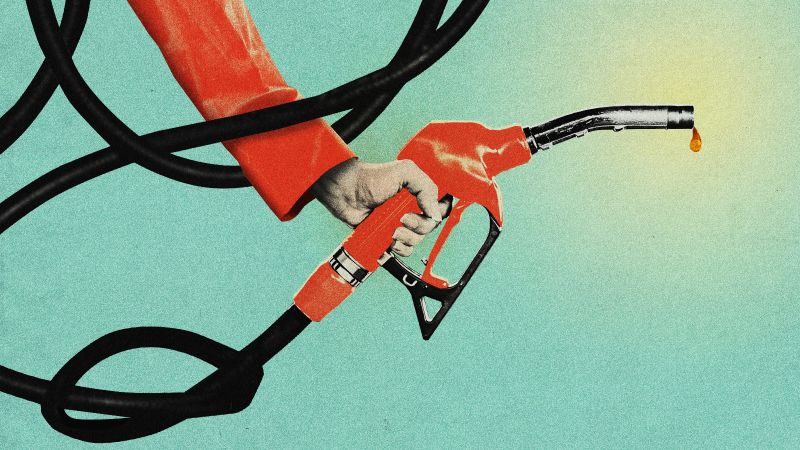
How to Oil-Proof Your Life: Practical Strategies for Reducing Fuel Dependency
How to oil proof your life – In an era of fluctuating oil prices, learning how to oil proof your life has become a crucial skill. Recent events, such as the escalation of the Iran conflict, have pushed gasoline costs to over 50% higher than pre-crisis levels, prompting a reevaluation of energy consumption habits. While oil remains indispensable to modern infrastructure, experts stress that even minor lifestyle adjustments can shield individuals from financial strain. From daily commuting to household use, oil’s pervasive role means adopting sustainable practices is essential for long-term stability.
Understanding the Impact of Oil on Everyday Living
Oil’s influence extends far beyond fuel tanks. It is a cornerstone of global supply chains, powering everything from transportation to manufacturing. For example, diesel-driven logistics companies now implement fuel surcharges to offset rising costs, directly affecting consumer prices. Moreover, oil-derived plastics are used in everything from packaging to electronics, highlighting its economic significance. Yet, its omnipresence does not mean it’s immutable—how to oil proof your life begins with recognizing these connections and seeking alternatives.
Simple Adjustments to Lower Oil Costs
One of the most accessible ways to oil-proof your life is by modifying driving behavior. Slowing down on highways, for instance, can cut fuel use by nearly 40%, as demonstrated by the Department of Energy. Additionally, avoiding abrupt acceleration and braking, which waste energy, is a key practice. These small changes, when applied consistently, create meaningful savings over time. Patrick De Haan of GasBuddy notes that mindful driving on local streets often outperforms highway travel in fuel efficiency, making it a vital part of how to oil proof your life.
Vehicle maintenance also plays a pivotal role. Proper tire inflation, which reduces fuel consumption by up to 3%, is a simple yet effective method. This practice not only saves money but also prolongs tire lifespan. Regular maintenance, such as oil changes and filter replacements, ensures optimal performance, further supporting the goal of how to oil-proof your life. By prioritizing these habits, individuals can minimize their reliance on oil while enhancing their vehicle’s efficiency.
Planning for Fuel Efficiency in Daily Routines
Strategic planning can significantly reduce unnecessary fuel consumption. Consolidating errands into a single trip minimizes driving time and fuel use, particularly for routine tasks like grocery shopping or pharmacy visits. This approach is especially effective for those who frequently visit the same stores, as it streamlines travel and cuts costs. The Department of Energy recommends such tactics as part of how to oil proof your life, emphasizing that time and resource management are as important as driving techniques.
Bigger lifestyle shifts also offer substantial benefits. Carpooling, working remotely, and using public transit are transformative steps toward oil independence. De Haan highlights that these alternatives can ease traffic congestion and lower emissions, while also cutting individual fuel expenses. Although public transit usage remains low at 4% among U.S. commuters, its potential as a tool for how to oil-proof your life is undeniable. Urban centers with robust public transportation systems present unique opportunities for adoption, making location a key factor in success.
Smart Shopping and Long-Term Investments
For drivers, comparing fuel prices is an essential strategy. GasBuddy’s data reveals that prices can vary by more than 50 cents per gallon within short distances, making price checks a valuable habit. By selecting the most affordable stations and planning routes accordingly, consumers can save hundreds annually. This practice is central to how to oil-proof your life, as informed decisions during periods of volatility can prevent unexpected expenses.
Long-term investments, such as electric vehicles (EVs), represent a more radical solution. While the average new EV price is $56,300, surpassing the $49,000 average for traditional cars, the savings from lower fuel costs and reduced maintenance make them a compelling choice. Kathy Harris from the National Resources Defense Council notes that rising energy prices are shifting consumer interest toward fuel-efficient models. As how to oil-proof your life becomes more urgent, EVs and plug-in hybrids offer viable pathways for sustainable living, even in the face of electricity cost fluctuations.
