
Pentagon watchdog evaluating US operations involving strikes on alleged drug boats
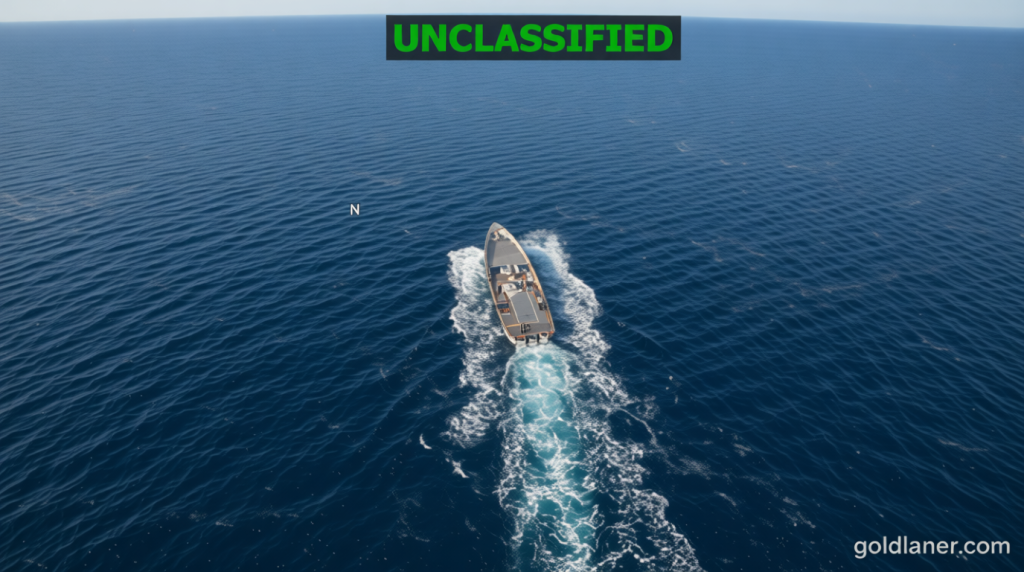
Pentagon Watchdog Evaluates US Drug Boat Strikes
Pentagon watchdog evaluating US operations involving – The Pentagon’s watchdog has launched an investigation into U.S. military operations targeting suspected drug trafficking vessels, a key focus of the Southern Command’s efforts in the Caribbean Sea and Pacific Ocean. These strikes, which began in the fall of 2025, have led to the destruction of nearly 60 boats and the loss of over 190 lives, sparking debates over their legality and impact. As part of the Pentagon watchdog evaluating US operations, the inspector general’s office is scrutinizing whether the Southern Command followed proper procedures when authorizing and executing these actions. The review, outlined in a May 11 letter, aims to address concerns raised by lawmakers and legal experts about the campaign’s transparency and adherence to international law.
Review of Southern Command’s Tactics
The Pentagon watchdog evaluating US operations is assessing the decision-making process behind Southern Command’s strikes on drug boats. This includes evaluating the criteria used to identify targets, the coordination between military units, and the aftermath of each engagement. While the review is described as “self-initiated,” its scope remains unclear—some speculate it will examine all past missions, while others believe it focuses on recent incidents. The Southern Command, responsible for operations in the region, has yet to provide specifics on how the watchdog will determine the effectiveness and compliance of these actions.
Legal Framework and Controversy
Legal analysts have questioned the justification for targeting drug boats as part of the Pentagon watchdog evaluating US operations. The Trump administration maintains that these strikes fall under an “armed conflict” against drug cartels, a stance supported by a classified Justice Department legal opinion from October 2025. This document grants the president authority to use lethal force against cartel members, treating them as enemy combatants. However, critics argue that this classification lacks formal declarations of war, raising concerns about whether the operations meet the threshold for justifiable military action.
“The use of force against these vessels is necessary to prevent narcotics from entering the country,” the legal opinion stated, though its classified nature has limited public access to the full rationale.
Political Backlash and Operational Shifts
The controversy surrounding the Southern Command’s strikes has intensified after a follow-up attack on survivors of an initial drug boat strike. This incident drew sharp criticism from lawmakers, with some Democrats labeling it a potential “war crime” due to the absence of due process. The Pentagon watchdog evaluating US operations is now tasked with clarifying whether such actions were lawful. Meanwhile, the frequency of known strikes has decreased since the capture of former Venezuelan President Nicolas Maduro in early 2026, though the campaign continues. The most recent strike on May 8 resulted in the deaths of two individuals, according to Southern Command, but the reduced pace has not alleviated the debate over the campaign’s legal and ethical implications.
Operation Southern Spear and Its Impact
Operation Southern Spear, initiated in September 2025, has been central to the Pentagon watchdog evaluating US operations. The mission targets drug boats in the Caribbean and Pacific, aiming to weaken trafficking networks and protect American borders. However, its effectiveness is now under scrutiny, with critics arguing that the strikes may not address the root causes of drug smuggling or could be used as a pretext for broader military interventions. The inspector general’s review is expected to provide clarity on these issues, balancing operational efficiency with legal accountability.
Key Findings and Future Implications
As the Pentagon watchdog evaluating US operations completes its assessment, it faces the challenge of reconciling military objectives with legal standards. The findings could influence future strike policies, determining whether the Southern Command’s approach aligns with international norms. Analysts suggest the review may also highlight gaps in oversight, prompting reforms to ensure that operations against drug traffickers are both effective and lawful. The outcome of this evaluation will be critical in shaping the Pentagon’s strategy in the ongoing fight against drug trafficking in the region.
