
A potential helipad and new parking spots are the latest changes at the White House
White House to Add Helipad and Parking Spots in Major Renovations
A potential helipad and new parking – Recent updates at the White House include plans for a potential helipad and new parking spots, designed to enhance operational efficiency. These changes aim to address long-standing logistical issues, such as the wear and tear on the South Lawn caused by presidential helicopter landings. The White House is also introducing temporary staff parking areas to accommodate ongoing construction efforts. Such modifications are part of a larger initiative to modernize the presidential residence while maintaining its historic appeal. Officials emphasize that these adjustments will improve access and reduce strain on the estate’s infrastructure, reflecting a balance between tradition and contemporary needs.
Helipad Initiative to Prevent Grass Damage
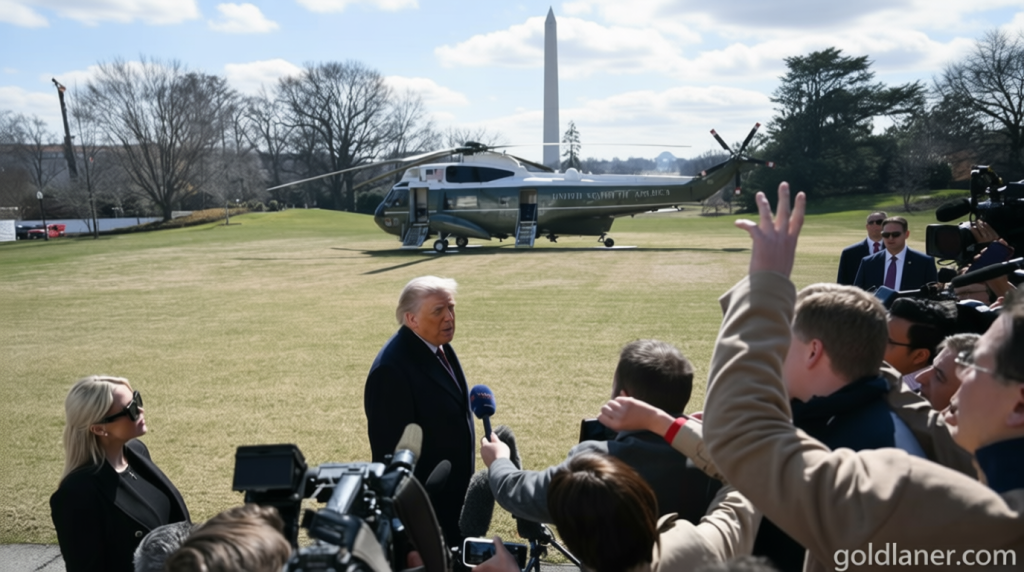
The helipad project is a direct response to the damage inflicted by the VH-92A Patriot helicopter. Its powerful exhaust has been scorching the grass on the South Lawn, prompting the need for a permanent solution. Currently, temporary planks are placed on the lawn before Marine One arrives, but this has become less effective with the newer model. The proposed helipad would allow the helicopter to land without disturbing the turf, ensuring the preservation of the White House’s iconic landscape. This initiative aligns with efforts to upgrade infrastructure while safeguarding the historical integrity of the site, a key priority for the current administration.
“The helipad and parking adjustments are essential for long-term functionality,” noted a White House spokesperson, adding that the changes will benefit both staff and the estate itself.
Temporary Parking for Staff During Renovations
Alongside the helipad, the White House has introduced temporary parking spots on Pennsylvania Avenue. These spaces, marked with yellow lines, are intended to support the ongoing renovations in Lafayette Park. The decision to temporarily alter the parking layout has sparked some debate, as it changes the usual flow of traffic near the North Portico. However, the White House insists this is a necessary measure to streamline access for personnel involved in the modernization project. The parking changes are expected to remain in place until June 28, after which permanent arrangements will be finalized.
These temporary spots are part of a broader effort to manage traffic and logistics during the extensive upgrades. The White House has been closed to pedestrian traffic on Pennsylvania Avenue since 1995, following the Oklahoma City truck bombing. This long-standing restriction has been a key factor in shaping the current layout of the presidential complex. The new parking areas are designed to ease congestion, particularly during high-traffic periods, while ensuring that the site remains accessible for both staff and visitors.
Enhancing Access for Modern Requirements
President Trump has championed the renovations, which include upgrades to the West Executive Drive and the Ellipse. The helipad and temporary parking spots are part of his vision to create a more efficient and adaptable space for future administrations. By addressing issues like exhaust damage and parking accessibility, these changes aim to improve the White House’s ability to host events and accommodate staff needs. The integration of modern infrastructure into a historic setting highlights the administration’s focus on blending innovation with tradition.
These modifications also reflect a growing emphasis on infrastructure investment. The White House’s long-term plans for the South Lawn and surrounding areas are expected to include more permanent solutions, such as expanded pathways and updated facilities. While the temporary spots may cause short-term disruption, they are seen as a stepping stone toward a more functional layout. The project underscores the administration’s commitment to maintaining the White House as a premier presidential workplace and a symbol of national significance.
