
The cost of living in the US weighs on Latino voters as economic discontent grows
Cost of Living Challenges Impact Latino Voters in US Economy
The cost of living in the US – For many Latino voters in the United States, the rising cost of living has become a daily reality, shaping their economic decisions and political priorities. Esmeralda Roustand, a 60-year-old woman from the Dominican Republic, struggles to afford basic groceries in New York City, where steep prices on food and rent have left her feeling overwhelmed. “I work hard, but it’s impossible to stretch my budget anymore,” she says, holding a small bag of essentials. As a home health aide, Roustand sends part of her earnings to her family in the Caribbean, yet the surge in essentials like electricity and transportation costs continues to squeeze her finances. Her experience mirrors a broader trend: Latino communities are increasingly bearing the brunt of economic pressures that ripple through daily life.
Younger generations, like Juan Galván, a New York college student, are also feeling the effects. He describes the tension between survival and social life, saying, “Every month, I wonder if I can afford to eat out or pay my rent.” Galván, who often skips outings to save money, notes that high housing costs force him to prioritize utility bills over leisure. “I’ve had to rearrange my schedule to justify each dollar spent,” he explains. This tight budgeting reflects the growing economic anxiety among Latino voters, who are navigating an environment where inflation and price hikes are reshaping their choices.
Latino Families Face Unique Financial Strains
According to recent surveys, the cost of living and inflation have become central concerns for voters in the upcoming midterm elections. A CNN poll reveals that 70% of respondents criticize the administration’s handling of inflation, with over 70% expressing dissatisfaction over rising gas prices and energy costs. However, the burden on Latino households feels more intense due to their higher spending on essentials like food and energy. Michael Negrón, a senior fellow at the Center for American Progress, explains that this demographic often allocates 15% of their income to food, compared to the national average, while energy expenses also consume a larger share. “The cost of living is not just a statistic—it’s a lived experience,” he says.
These financial strains are exacerbated by the reliance of many Latino families on vehicles for daily commutes. “When gas prices increase, it affects every household, but Latinos feel it most acutely,” Negrón adds. The combination of soaring food, energy, and transportation costs has forced families to make difficult trade-offs. “They might choose to skip a meal rather than spend on a weekend trip,” he says, highlighting the compounding effects of inflation on a community already navigating economic disparities.
Changing Shopping Patterns and Daily Habits
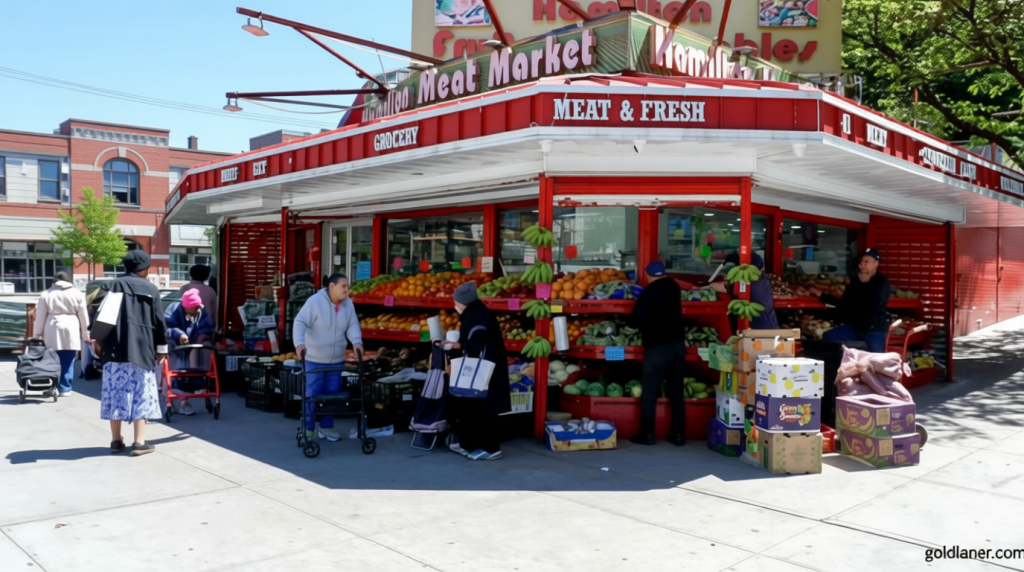
Stores like Hamilton Meat Market are witnessing the practical consequences of the cost of living crisis. José Rosario, a longtime employee, recalls how customers used to fill carts with items for $100, but now opt for smaller portions to manage expenses. “People ask for fruit to be cut into smaller sizes so they can afford to take it home,” he notes. The price of papaya has nearly doubled, while lemons are now priced two for a dollar, reflecting the rapid pace of inflation. These adjustments reveal a shift in how Latino families allocate their limited resources, prioritizing affordability over quantity.
For María Sofía González, an Ecuadorian mother, the cost of living has disrupted cherished traditions. “We used to celebrate small moments together, but now we’re forced to cut back,” she says. The pressure to manage household expenses has reshaped routines, from meal planning to weekend activities. “Even going for a walk now requires careful budgeting,” she explains, underscoring how the cost of living is not only a financial issue but also a cultural one. As inflation continues to climb, the strain on Latino households is likely to deepen, influencing both their economic choices and political engagement.
