
What we know about the latest Ebola outbreak after WHO declares global health emergency
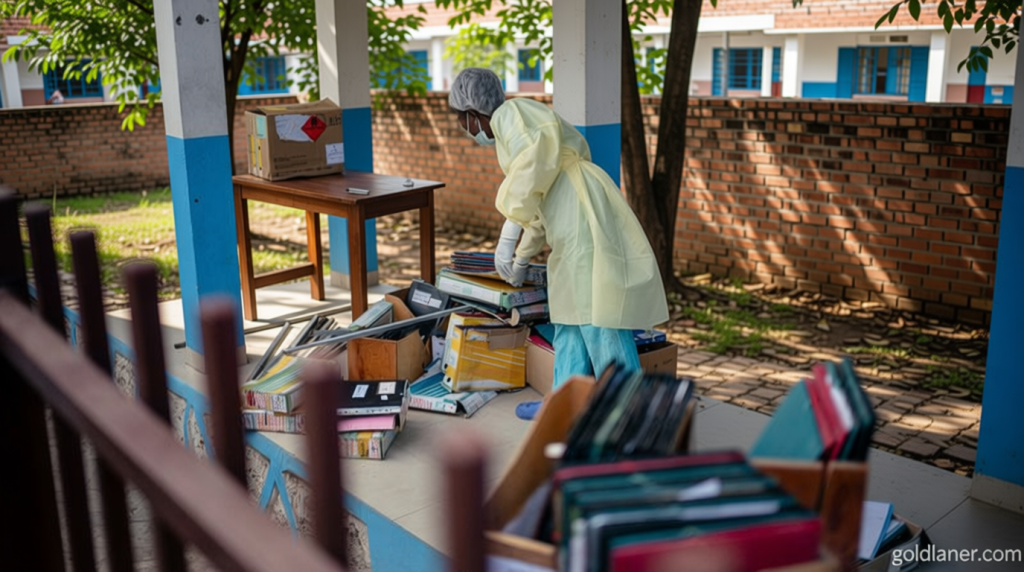
What We Know About the Latest Ebola Outbreak in Congo and Uganda
What we know about the latest – The World Health Organization (WHO) has declared the ongoing Ebola epidemic in the Democratic Republic of Congo (DRC) and Uganda as a “public health emergency of international concern.” This classification highlights the gravity of the situation, as the outbreak continues to evolve rapidly. The focus keyword, “What we know about the latest,” encapsulates the urgency of understanding the virus’s spread, its impact, and the measures being taken. With at least 80 suspected fatalities and a growing number of cases, the region faces heightened risks, particularly due to the lack of an approved vaccine for the Bundibugyo strain. Here’s a detailed overview of the crisis and its global implications.
Transmission and Symptoms of the Ebola Virus
Ebola is a highly contagious viral illness that spreads through direct contact with bodily fluids from an infected person, including blood, saliva, and sweat. Contaminated surfaces or objects can also contribute to transmission, especially in close quarters. Symptoms typically onset with fever, fatigue, and muscle aches, progressing to severe complications like vomiting, diarrhea, and internal bleeding. The disease’s fatality rate varies widely, from 25% to 90%, depending on the strain and medical response. What we know about the latest outbreak includes the Bundibugyo variant’s unique characteristics and the challenges of containing it in resource-limited settings.
Among the six known strains, the Bundibugyo variant has historically caused outbreaks in the DRC and Uganda. While treatments exist for other strains, the Bundibugyo outbreak presents a different challenge. The WHO’s warning underscores the need for increased surveillance and rapid intervention, as the virus has already crossed the DRC-Uganda border. What we know about the latest cases shows a pattern of rapid transmission, prompting fears of further regional spread.
Outbreak Dynamics in the Democratic Republic of Congo
The current outbreak in the DRC is concentrated in the northeastern Ituri province, a region with limited healthcare access and ongoing security threats. As of Saturday, 246 suspected cases and eight confirmed infections have been reported, with at least 80 deaths attributed to the virus. The WHO’s declaration signals the critical need for containment strategies, as the outbreak’s trajectory raises concerns about its potential to become a larger global threat. What we know about the latest developments in the DRC includes the strain’s resilience and the logistical hurdles faced by health workers.
Initial cases in Kinshasa, the DRC’s capital, were later corrected after retesting. However, the outbreak has not been contained, with a confirmed case emerging in Goma, a city recently captured by the Rwanda-supported AFC/M23 rebel group. This development highlights the virus’s ability to spread even in conflict-affected areas, where medical resources are scarce. What we know about the latest spread in Goma suggests that urban centers may become key transmission hubs, compounding the crisis.
Uganda’s Response and Cross-Border Threats
Uganda has reported two confirmed cases in its capital, Kampala, with one resulting in a fatality. The patients had traveled from the DRC, but their exact link to the outbreak remains under investigation. What we know about the latest cases in Uganda indicates the virus’s presence in densely populated areas, which could accelerate its spread. The country’s media office stated that the body of a Congolese man who died was repatriated, while the other patient is being treated. Despite the calm tone, officials acknowledge the virus’s potential to cross borders and affect neighboring nations.
The WHO’s emergency designation is driven by the outbreak’s geographic reach and the risk of international transmission. Countries like Rwanda and South Sudan, which share borders with the DRC, are now on high alert. What we know about the latest outbreak’s progression reveals that the virus has already established itself in Uganda, increasing the likelihood of further regional outbreaks. The situation underscores the importance of cross-border collaboration in combating the spread.
Historical Context and Previous Outbreaks
This is the third known resurgence of the Bundibugyo strain since its discovery in 1976. Prior outbreaks occurred in Uganda between 2007 and 2008 and in the DRC in 2012. What we know about the latest outbreak builds on these historical patterns, emphasizing the virus’s ability to reemerge in areas with weak healthcare systems. The DRC has experienced 17 Ebola outbreaks since the 1970s, reflecting its vulnerability. MSF experts warn that the current situation is the most concerning yet, given the strain’s lethality and the region’s instability.
“What we know about the latest outbreak is alarming,” said Trish Newport, MSF’s emergency program manager. “The speed at which it has spread, combined with the limited resources available, makes containment extremely difficult.” This statement highlights the urgency of the WHO’s declaration and the need for immediate action. The outbreak’s persistence in the DRC and its movement into Uganda serve as a stark reminder of the virus’s adaptability and the challenges of global health preparedness.
Global Health Implications and Containment Efforts
While the outbreak has not yet reached pandemic status, its potential to do so is a cause for concern. The WHO’s decision to label it an international health emergency reflects the growing recognition of its transnational risks. What we know about the latest outbreak includes the strain’s ability to spread across health zones and borders, necessitating a coordinated global response. Health officials are urging increased funding, community engagement, and improved surveillance systems to prevent further escalation.
As the situation unfolds, the focus remains on understanding the virus’s behavior and implementing effective containment measures. What we know about the latest outbreak in the DRC and Uganda will shape future strategies, including vaccination efforts and public health messaging. The WHO’s designation is a critical step in mobilizing resources and raising awareness, ensuring that the global community remains vigilant against this emerging threat.
