
As Trump fuels Vance vs. Rubio speculation, his vice president makes anti-fraud push
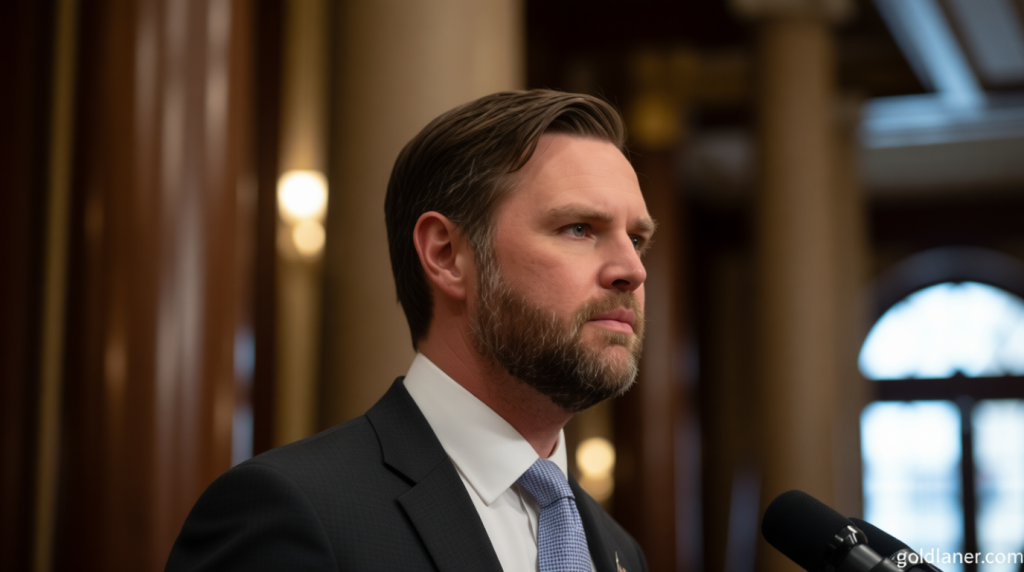
Trump’s Influence Sparks 2028 Speculation as Vance and Rubio Take Center Stage
As Trump fuels Vance vs Rubio – President Donald Trump’s recent remarks have intensified speculation about the 2028 presidential race, with Vice President JD Vance and Secretary of State Marco Rubio emerging as key figures in the narrative. While Trump framed the choice as a televised competition, Vance quipped that it doesn’t sound like his style, humorously likening the situation to the iconic “Home Alone” scene. The discussion unfolded after Trump hosted a Rose Garden gathering, asking attendees to voice their support for either Vance or Rubio as his potential successor.
The Competition Begins
Vance, who has become a focal point of the administration’s anti-fraud initiatives, addressed the topic with a mix of wit and pragmatism. “I just don’t think it sounds like the president of the United States to have a televised competition for who would succeed him as his apprentice,” he said, responding to a CNN query. The event, held days after Trump’s public endorsement of the contest, highlighted the growing political tension between the two top aides, each vying for visibility in the 2028 race.
Despite the competition, both men have maintained their focus on current responsibilities. Vance has led the federal anti-fraud task force, emphasizing the seriousness of the issue, while Rubio has taken on additional roles, including stepping in as press secretary during Karoline Leavitt’s maternity leave. Their separate public appearances have only amplified the narrative around their potential presidential ambitions.
A Focus on Fraud and Policy
Vance’s anti-fraud efforts have drawn attention, particularly after he highlighted California as a target. The state, led by Democratic Governor Gavin Newsom—a 2028 contender—has been a frequent point of contention with the administration. “If you have a crooked governor, they’re not going to work with us, and we’re going to have to use other tools to ensure that they do,” Vance said, defending the initiative as necessary for accountability.
Rubio, meanwhile, has used his time in Washington to bolster his image. He recently appeared in a video where he was asked about his vision for the country, subtly shaping the perception of his leadership style. The clip, shared on social media, has fueled debates about his readiness for the presidency. As Trump’s comments continue to stir the waters, the race for the 2028 ticket appears to be gaining momentum.
With Trump’s endorsement of the rivalry, the political landscape has shifted. The president’s casual approach to pitting his allies against each other has drawn both praise and criticism. Yet, Vance has insisted that the focus remains on his work, stating, “I think both of us are very much focused on accomplishing the American people’s business right now.” His presence in states like Maine and Michigan has further cemented his role as a key campaign surrogate for the GOP.
Rubio’s recent activities, including his press briefings and public engagements, have also kept him in the spotlight. The 2028 speculation, however, continues to grow as both men navigate their roles in the administration while subtly positioning themselves for the future. Trump’s open-ended question—“Who’s it gonna be? Is it gonna be JD? Is it gonna be somebody else?”—has left the door wide open for a dramatic shift in the political hierarchy.
As the 2028 campaign season approaches, the dynamics between Vance and Rubio will likely shape the Republican Party’s strategy. Their distinct approaches—Vance’s emphasis on domestic accountability and Rubio’s focus on policy and media engagement—offer a glimpse into how they might lead the party in different directions. For now, the competition remains a topic of discussion, with Trump’s influence ensuring the narrative stays in the public eye.
