
Fighting fraud is a top Trump administration priority. Here’s what you should know
Trump’s Fight Against Fraud: Key Initiatives and Challenges
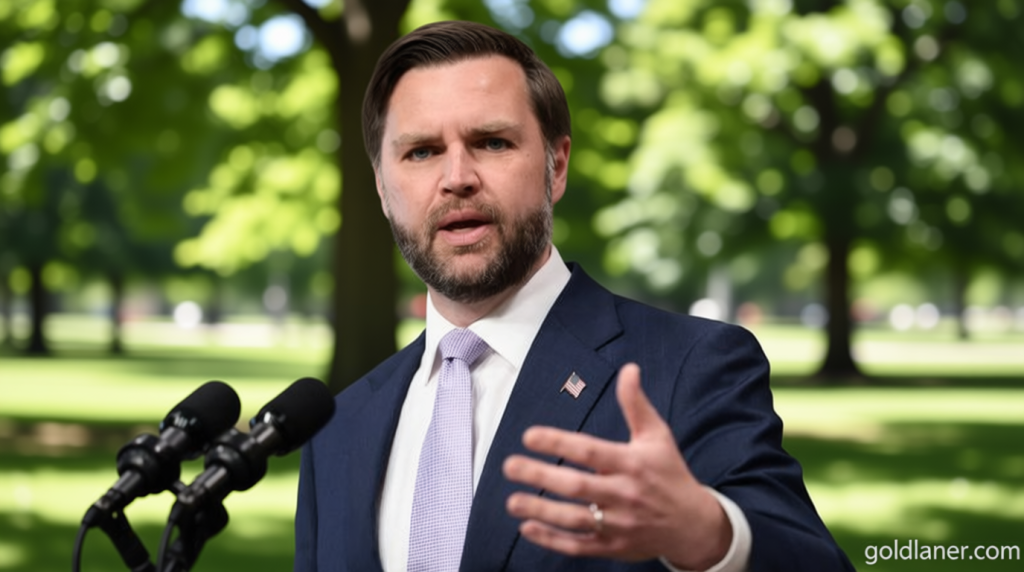
Fighting fraud is a top Trump administration priority as it prepares for the upcoming midterm elections. The administration has ramped up its efforts to address financial misconduct in federal programs, aiming to reassure voters about the proper use of taxpayer funds. Recently, Vice President JD Vance highlighted the anti-fraud task force, which has been working in states like Maine. Officials also unveiled new measures targeting Medicare and Medicaid fraud, indicating a renewed commitment to fiscal accountability.
Targeting Federal Programs with Vigorous Measures
As the Senate race in Maine unfolds, the Trump administration has linked its anti-fraud initiatives to the state’s efforts in combating waste and abuse. Vance emphasized that the strategy focuses on states that demonstrate a strong dedication to fraud prevention, ensuring federal funds are allocated responsibly. This approach aims to create a direct connection between federal oversight and local compliance, a tactic that has drawn both support and criticism.
President Donald Trump has consistently prioritized stricter scrutiny of federal benefit programs, with his team claiming significant progress in identifying fraudulent activities. However, the effectiveness of these measures remains a subject of debate. While some analysts commend the administration’s proactive stance, others question whether the emphasis on fraud is exaggerated or if it reflects an underestimated challenge in federal spending.
High-Profile Allegations and Federal Oversight
Dr. Mehmet Oz, head of the Centers for Medicare and Medicaid Services, has led the administration’s push to expose alleged fraud in various programs. His recent accusations include Maine’s Medicaid-funded autism treatment program, California’s hospice care providers, and Florida’s durable medical equipment companies. These claims signal a targeted effort to address high-risk areas within the federal system.
The Justice Department reported that 324 defendants were charged in over $14.6 billion in healthcare fraud schemes in 2024, nearly doubling the previous record. Yet, experts note that these figures may not fully reflect the scale of fraud. The Government Accountability Office (GAO) estimated that between $233 billion and $521 billion in federal funds could be lost annually to waste, abuse, and mismanagement, highlighting the complexity of the issue.
Improper payments, a related concern, totaled $3 trillion since 2003, with $186 billion recorded in 2025 alone. While some errors are administrative, others may stem from deliberate fraud. The administration’s campaign includes high-profile allegations, such as those from Agriculture Secretary Brooke Rollins about deceased individuals collecting food stamps, which underscore its aggressive approach to uncovering misuse.
Challenges in Fraud Prevention and Detection
Despite these efforts, critics argue that systemic barriers persist in combating fraud effectively. Seto Bagdoyan, a director on GAO’s forensic audits team, told CNN that current fraud estimates are likely too low. “There is a lack of attention, priority, and decisive action at the highest levels of agencies,” he stated, pointing to underinvestment in prevention despite the growing problem.
Organized criminal groups and sophisticated actors have exploited vulnerabilities in federal systems, especially during and after the pandemic. While the GAO has long identified these weaknesses, they often remain unaddressed due to competing priorities and outdated technology. Privacy advocates and industry groups have also raised concerns, sometimes slowing the implementation of stricter fraud detection measures. Bagdoyan added that the true cost of mismanagement may exceed current projections, emphasizing the need for improved oversight.
As the administration continues its fight against fraud, the challenge lies in balancing accountability with the risk of overreaching. While the task force and federal initiatives aim to strengthen oversight, their success will depend on addressing systemic issues and ensuring transparency. The ongoing debates and evolving data suggest that the fight against fraud remains a critical and complex issue for the Trump administration.
