
Morgan McSweeney phone theft conspiracy theories – it’s the job of journalists to seek the truth
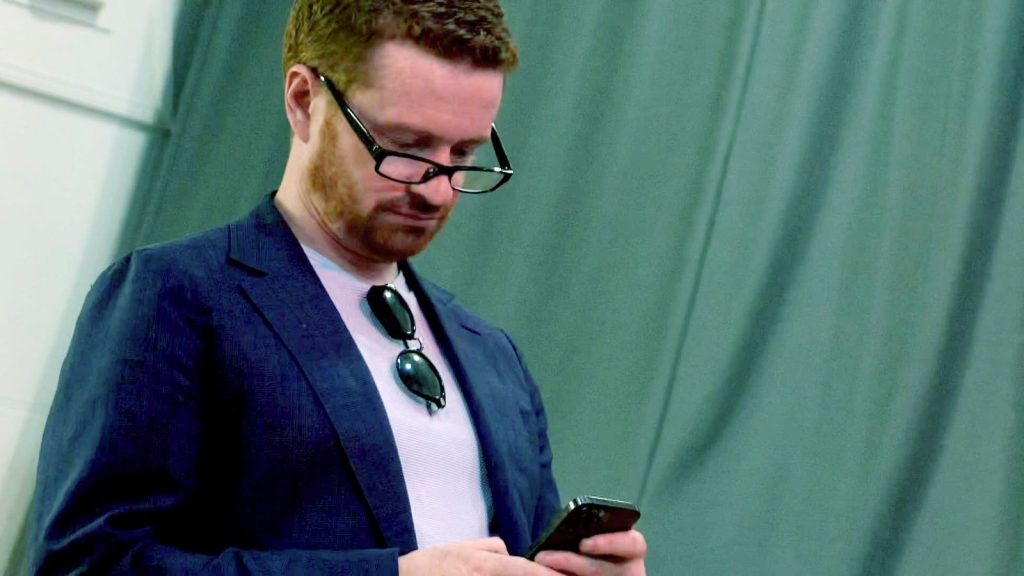
Morgan McSweeney Phone Theft and Conspiracy Theories: The Role of Journalism
Upfront, I found myself questioning the credibility of a report linking Morgan McSweeney’s stolen phone to inquiries about Lord Mandelson. At first glance, the idea seemed like a stretch.
But what exactly did those skeptics imply had occurred? Could the Number 10 chief-of-staff have been seen in central London at 10pm, flashing his phone in hopes of luring a cyclist to snatch it, as some AI-generated visuals suggested? Or was the entire incident staged, with the phone tossed into a garbage truck and a fabricated narrative presented to authorities to generate a trail of evidence?
Both scenarios still appear remarkably improbable today. Yet, officials have questioned if these outlandish theories are what I intended to imply, noting that the prime minister recently stated it was entirely plausible for someone in October 2025 to associate the stolen phone with parliamentary requests for Mandelson-related documents.
To clarify, neither I nor Sky News are asserting the validity of these wild theories. Still, we opted to report on the matter, albeit with a more restrained approach.
At its essence, journalism entails exploring shadowy corridors of information, often discovering they lead to unexpected places or, in many instances, nowhere at all. This was the case with the initial lead that connected to the case of Louise Haigh, the former transport secretary, and her undisclosed conviction linked to another purportedly stolen phone. My first reaction was, once more, skepticism.
The lead we received was notably distinct from the final published piece, offering a more positive perspective in some aspects while casting doubt in others. Yet, through the investigative process, we arrived at a revelation that clearly served the public interest.
Similarly, when news broke about Deputy Prime Minister Angela Rayner acquiring a coastal residence, my first thought was, “Is there a problem with that?” Subsequent accounts claimed she had circumvented stamp duty through a legally valid yet politically contentious approach. Those close to Ms. Rayner provided a thorough and persuasive defense at the time.
Nevertheless, we chose to report on the matter, albeit with a more restrained approach. Ms. Rayner had indeed underpaid taxes, but not for the reason first suggested. Her action was a legal oversight, more of a mistake than a deliberate scheme. This decision ultimately led to her losing the deputy prime minister position, as the narrative shifted significantly, leaving lasting impacts on current political discourse.
Occasionally, such investigations yield nothing. The tale of Rachel Reeves’ mishap with a rental permit initially seemed like it could jeopardize her, but a clarification emerged, resolving the matter with minimal long-term consequences.
Across these instances, the primary debate lies not in whether these
