
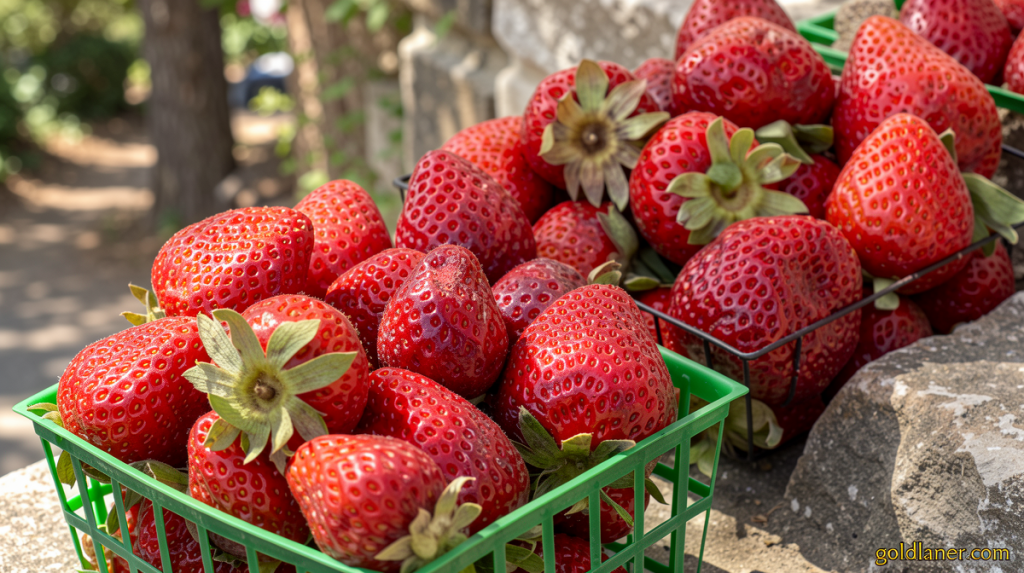
Winter Strawberry Bowls May Face a Price Spike as Trade Probe Advances
Goldlaner.com – For most of the past fifty years, Americans have enjoyed a steady stream of affordable Mexican strawberries throughout the coldest months, when domestic fields fall dormant. That arrangement, built on decades of reciprocal trade agreements that kept tariffs at zero or near-zero levels, now faces its most serious challenge yet. The Trump administration has opened a formal inquiry into whether Mexican producers are dumping winter-harvested berries into the American market at prices deemed unfairly low. A negative finding could trigger antidumping duties on those shipments, reshaping the cost structure of one of the most popular fruits in the country and injecting fresh inflationary pressure just weeks before voters head to the polls for the midterm elections.
The Scale of Dependence
The numbers underscore just how deeply the American supply chain leans on its southern neighbor. According to figures compiled by the US Department of Agriculture, Mexico accounted for roughly 98 percent of all strawberry imports into the United States in the most recent full year, with total shipment value exceeding one billion dollars. Domestic growers, concentrated in Florida and California, typically harvest their crops during the winter window. Once those fields go quiet in late spring, the gap in domestic supply widens, and Mexican berries fill the shelves of grocery chains from coast to coast.
That seasonal dependency is precisely what makes the current investigation consequential. If duties are imposed, the price differential that has kept winter strawberries within reach of average households could narrow sharply, forcing consumers to pay more for the same pint they bought last December.
Who Is Behind the Case
The petition driving the probe was filed by Strawberry Growers for Fair Trade, a coalition representing Florida-based producers whose berries are picked during the winter months. Their central argument is that Mexican imports have been expanding at a pace that outstrips genuine growth in winter demand, effectively capturing market share through below-cost pricing rather than through superior quality or efficiency.
Daniel Pickard, lead counsel for the coalition, framed the stakes in practical terms. He told reporters that if the case proceeds favorably, the resulting tariffs should carry a
“relatively modest” impact on consumer prices while helping US farmers compete.
Whether that modesty materializes in practice remains an open question, as the tomato episode of the past year illustrates.
The Tomato Precedent: A Cautionary Tale
Last July, Washington imposed an antidumping duty of approximately 17 percent on the majority of Mexican tomato imports. By the following month, the Consumer Price Index showed tomato prices running 12.8 percent above their level a year earlier. Superficially, the timeline suggests a direct causal link between the tariff and the price jump. Yet an April report from the US Department of Commerce attributed a meaningful share of that increase to adverse weather in Mexican growing regions and to freezing temperatures that struck parts of Florida during the first two months of the year. In other words, the tariff was one factor among several, and isolating its independent effect proved far more complicated than a simple before-and-after comparison would imply.
Strawberries, with their shorter shelf life and tighter seasonal windows, may prove even harder to disentangle from weather-driven supply shocks.
What Happens Next
The Department of Commerce is expected to publish its preliminary determination in the strawberry matter by August 18. That document could recommend specific tariff rates, but it would not be the final word. Under the statutory process, interested parties receive an opportunity to submit additional evidence, and Commerce may revise its proposed rates before issuing a final ruling. In practice, several months typically elapse between the preliminary and final stages.
The Italian pasta episode of last year offers a vivid reminder of how much room for revision exists. Commerce initially floated antidumping duties on certain Italian pasta imports as high as 92 percent. After reviewing supplementary submissions from the pasta manufacturers, the agency ultimately settled on rates below 10 percent. That dramatic retreat spared American shoppers the prospect of sharply higher prices or, in some cases, the outright disappearance of favored Italian brands from supermarket shelves.
Political and Consumer Context
The timing of the strawberry determination lands in an already tense economic environment. Gasoline prices have climbed through the spring and summer, tightening household budgets across income brackets. Adding a visible price increase on a staple fruit item in the run-up to the midterm elections could amplify voter frustration with cost-of-living pressures, regardless of which party controls Congress afterward.
At the same time, supporters of the investigation argue that allowing sustained below-cost imports to erode domestic production capacity ultimately harms consumers in the long run by reducing competition, concentrating market power, and making the supply chain more vulnerable to shocks. The question the Commerce Department must answer by August 18 is whether Mexican winter strawberries have crossed that line — and, if so, by how much.
Related Reading
Frequently Asked Questions
What is Americans could soon pay a lot more?
Americans could soon pay a lot more is the main topic of this guide. The article explains the context, practical details, and next steps readers should understand.
Why does Americans could soon pay a lot more matter?
Americans could soon pay a lot more matters because readers are looking for a useful answer, not just a short summary. Good content should match search intent and help them decide what to do next.