
Former Better Home & Finance CEO Seeks Return After Surprise Ouster
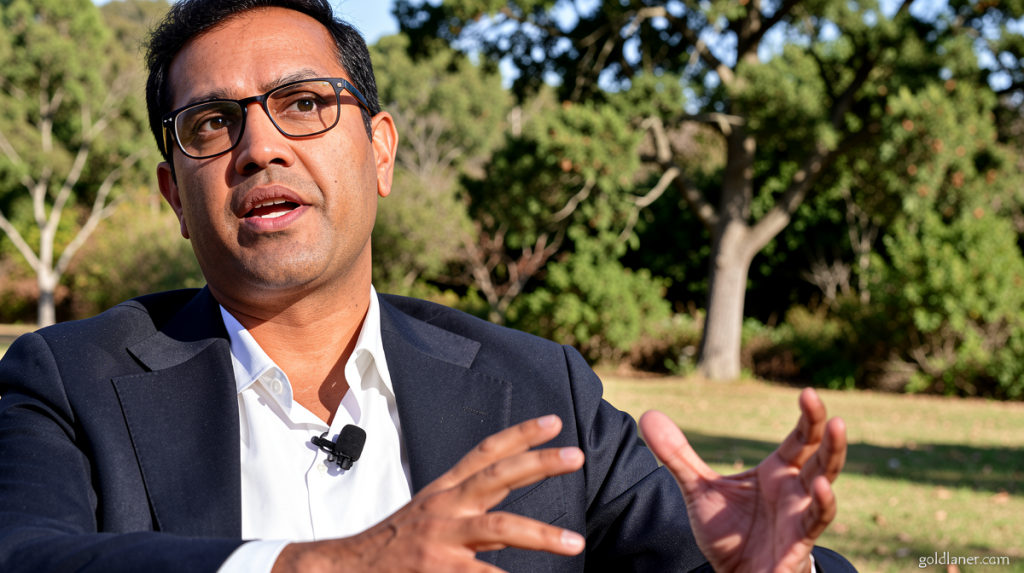
Goldlaner.com – Vishal Garg is making a formal push to reclaim his position as chief executive of Better Home & Finance, arguing that the board made a critical error in replacing him with Daniel Lewis just weeks ago. The former leader, who became a household name after conducting mass layoffs via video conference, believes he was positioned to deliver a remarkable corporate turnaround when he was unexpectedly removed from his post.
Garg’s bid to return comes armed with substantial voting power through Class B shares—special equity stakes that carry enhanced voting rights. Combined with support from committed early-stage investors, Garg contends he has sufficient backing to influence the board’s decision. He has retained prominent attorney Alex Spiro of Quinn Emanuel to represent his interests and formally requested his reinstatement through a letter delivered to company directors on Monday.
A History of High-Stakes Decisions
Garg’s tenure at Better has been marked by both dramatic setbacks and significant achievements. The most publicized moment came in late 2021, when the CEO conducted a company-wide Zoom meeting to announce the termination of approximately 900 employees. The event, captured on video and shared widely across social media, became an emblem of corporate excess during the pandemic era. Garg has acknowledged that the incident damaged the company’s reputation, though he maintains it was a necessary action during a period of financial strain.
Following the layoffs, Garg took a leave of absence from his duties. The company also navigated a whistleblower lawsuit—which was ultimately dismissed—and an investigation by the Securities and Exchange Commission that yielded no formal findings. Perhaps most significantly, a 2023 special purpose acquisition company merger sent Better’s stock price plummeting by 93 percent, wiping out enormous shareholder value in a single transaction.
“He hoodwinked me,” Garg said of Lewis. “He said he liked the company’s strategy. He praised us on X and used that to get on our board and win our confidences.”
The Mortgage Market’s Dramatic Shift
Understanding Better’s trajectory requires examining the broader mortgage landscape. During the pandemic, historically low interest rates—staying below 3 percent for an extended period—triggered a refinancing boom. Borrowers rushed to refinance existing mortgages at reduced rates, creating unprecedented demand for mortgage services. Better capitalized on this trend, achieving an $8 billion valuation at the height of the refinancing surge.
The market has since undergone a dramatic reversal. Interest rates have climbed toward 7 percent, effectively collapsing the refinancing business that had sustained the company. Today, Better’s market value stands at approximately $300 million, representing a staggering decline from its peak. Annual sales dropped from $1.5 billion in 2021 to just $70 million in 2023, reflecting the industry-wide contraction.
AI-Driven Turnaround Efforts
Under Garg’s leadership, Better pursued an aggressive strategy centered on artificial intelligence to transform its operations. The company developed proprietary AI models capable of processing mortgage applications in hours rather than the days typically required by teams of dozens of employees. This technological pivot represented a fundamental shift in how the company approached its core business.
Strategic partnerships further bolstered these efforts. A collaboration with Neo Home Loans reportedly doubled productivity while reducing loan origination costs by half. More notably, Better secured partnerships with technology giants including Intuit, Coinbase, and OpenAI to power their respective mortgage services—a significant validation of the company’s technological capabilities.
“We’re winning. We’ve tripled loan volume. We’re close to profitability,” Garg stated. “We were at the 5-yard line after taking the ball all the way down the field from the other side.”
Lewis’s Rapid Rise and Garg’s Response
Daniel Lewis, a hedge fund manager with a mixed history of investment successes, approached Garg approximately six months before the ouster with proposals for cost reduction and improved profitability. Garg acknowledged that Lewis’s cost-saving ideas were sound but questioned his understanding of innovation within the mortgage sector.
Lewis was appointed to the board on July 27, 2026. Just one week later, he had persuaded fellow directors to remove Garg as CEO and assume the position himself. On August 4, Lewis posted a message on X declaring, “There was never a $BETR without @vishal_better. That demands respect.” The statement, while acknowledging Garg’s contributions, was interpreted by many as positioning Lewis as the company’s future leader.
Garg argues that Lewis had concealed his ambitions during their earlier interactions. “I suspect he always wanted to become CEO,” Garg said. “The board made a mistake.”
Investor Reaction and Next Steps
Market participants appear to have responded negatively to the leadership change. Better’s stock has declined 45 percent since Lewis assumed the CEO role, compounding the more than 16 percent drop that had already occurred earlier in the year before Garg’s departure was announced.
In the week following Garg’s removal, numerous investors reportedly reached out directly to express their concerns and encourage him to seek reinstatement. Garg has proposed working for a nominal salary of $1 per year until the company achieves profitability, after which he would transition out of the CEO position. This arrangement reflects both his confidence in the turnaround strategy and his acknowledgment that execution challenges have contributed to the company’s difficulties over the past decade.
“It’s not about me,” Garg said. “I care about delivering savings to people and helping them live the American Dream. So when shareholders said, ‘You need to take a back seat,’ I complied.”
Whether the board will reconsider its decision remains uncertain. Garg’s combination of voting power, investor support, and a compelling narrative about being removed at a critical juncture positions him favorably for a potential return to the helm of the mortgage technology company he helped build from the ground up.
Related Reading
Frequently Asked Questions
What is The CEO who fired 900 people?
The CEO who fired 900 people is the main topic of this guide. The article explains the context, practical details, and next steps readers should understand.
Why does The CEO who fired 900 people matter?
The CEO who fired 900 people matters because readers are looking for a useful answer, not just a short summary. Good content should match search intent and help them decide what to do next.