
Nature’s cleanup crew: Stunning photos show vultures in a different light
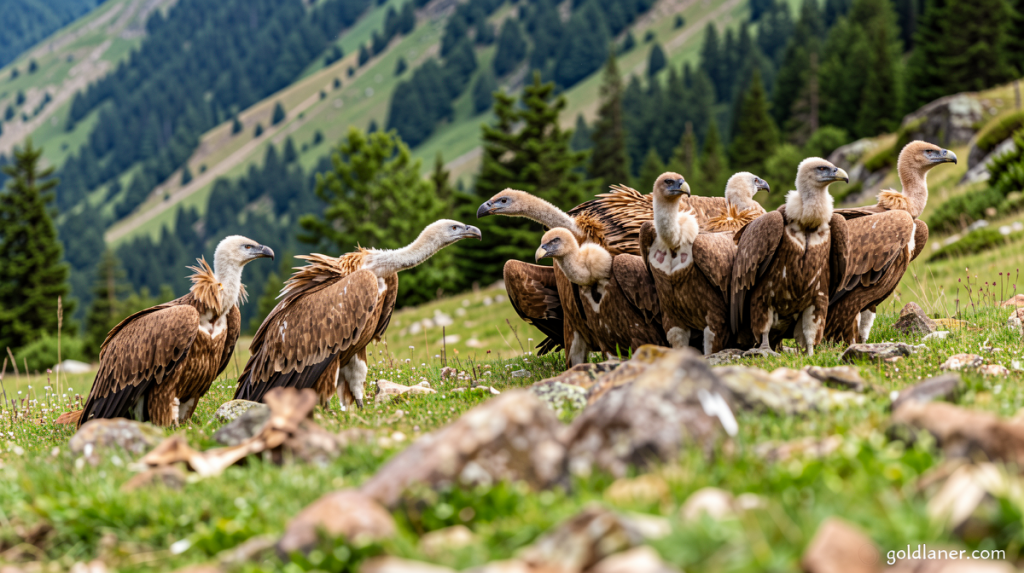
Photography Contest Shines Light on Essential Vultures
Goldlaner.com – Getting the public to value vultures has long been a challenge for conservationists. These birds lack the traditional charm of cuddly mammals, and their preference for consuming deceased creatures doesn’t exactly endear them to many observers. However, a dedicated photography competition aims to shift this perspective by highlighting the vital ecological services these birds provide through carrion disposal.
The Vulture Interactions photography contest, now in its second annual iteration, revealed its winning entries on July 20. The selected images capture diverse vulture species engaged in natural behaviors, ranging from the bearded vulture—recognized as Europe’s most uncommon vulture—to the California condor, with approximately 600 individuals remaining worldwide.
Global Distribution and Conservation Status
Across the globe, twenty-three distinct vulture species inhabit every landmass except for Australia and Antarctica. Despite their widespread presence, numerous populations confront significant survival challenges. André Botha, who serves as Africa Projects Manager for the Hawk Conservancy Trust, notes that Asian and African species experience “tremendous pressure.” Among the sixteen Old World varieties distributed throughout Africa, Asia, and Europe, seven face critical endangerment while two additional species are classified as endangered.
Botha, who additionally holds the position of co-chair for the International Union for Conservation of Nature’s vulture specialist group, expressed hope that the competition might encourage observers to look beyond appearances. He wants people to recognize how “incredibly important” these birds are to ecosystem health.
Ecological Services and Human Benefits
When vultures consume dead animals, they perform a dual function: preventing disease transmission from decomposing flesh and relieving humans of cleanup responsibilities. According to Botha, no other creature on Earth possesses the specialized design that enables vultures to fulfill this unique role.
The birds demonstrate remarkable visual capabilities, capable of detecting a three-foot-long carcass from distances reaching four miles. Despite these advantages, energy infrastructure—including power lines and wind turbines—alongside habitat fragmentation pose ongoing threats to vulture populations. Additionally, poachers sometimes target these birds, selling body parts including heads that some buyers believe grant the power of foresight.
Poisoning: The Primary Threat
Poisoning represents the foremost danger to vultures globally. Poachers occasionally administer poison intentionally to prevent vultures from circling overhead and revealing the location of their illegal kills. In other instances, people poison predators such as lions and hyenas, inadvertently killing vultures that subsequently consume the contaminated carcasses.
The diclofenac crisis in India illustrates the devastating potential of pharmaceutical threats. Introduced for veterinary applications during the 1990s, this anti-inflammatory medication triggered kidney failure in vultures consuming animals treated with the drug. The consequence was catastrophic: ninety-five percent of India’s wild vulture population perished during the latter half of that decade.
Research indicated that this decline may have caused 500,000 additional human fatalities over five years in the early 2000s. Without vultures to manage disease spread and compete with feral dogs and rats—both vectors for human infections—the situation worsened considerably.
Looking Toward the Future
Botha acknowledges that aesthetic preferences may not change overnight. “People will judge them because of what they look like,” he observes, suggesting that appreciation for vultures’ contributions might develop gradually. He emphasizes the necessity of engaging younger generations to continue conservation efforts: “We need to have a younger generation of people to step in and carry the flag forward.”
This photography initiative, supported through CNN’s Call to Earth series in partnership with Rolex’s Perpetual Planet Initiative, seeks to educate and inspire action around sustainability challenges. The contest also connects with International Vulture Awareness Day, organized by the Hawk Conservancy Trust and other partner organizations dedicated to these remarkable birds.
“People tend to think they’re ugly,” says André Botha. “If you don’t like it, you won’t conserve it.”
“There is no other animal on the planet that is designed to do what vultures do.”
