
Why this time around, Netanyahu’s meeting with Trump might not go to script
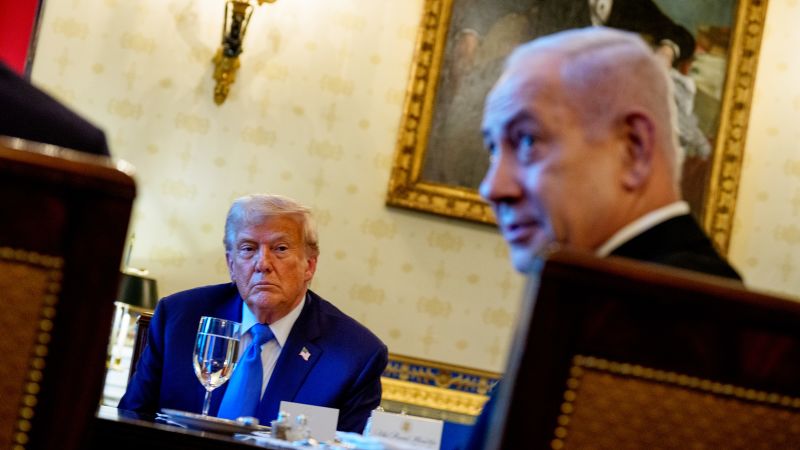
Netanyahu and Trump: A Relationship Tested by Time and Conflict
A Shift in the Dynamic
Goldlaner.com – For years, Israeli Prime Minister Benjamin Netanyahu’s journeys to Washington to see President Donald Trump followed a predictable pattern. Visitors would encounter a red carpet welcome, a friendly embrace, and joint statements emphasizing the strength of the transatlantic bond. Yet something has changed since their previous encounter half a year ago. What began as enthusiastic cooperation during the early stages of the Iran conflict has transformed into something more complicated. Trump, once Netanyahu’s most vocal supporter abroad, has directed sharp criticism toward the Israeli leader.
This upcoming visit marks Netanyahu’s seventh trip to American soil since Trump reclaimed the presidency, surpassing any other global leader in frequency. However, the context differs significantly from earlier visits. The Israeli prime minister now faces domestic reelection pressures while attempting to stabilize a relationship that has become increasingly tense. Even before setting foot in Washington, Trump expressed his frustration during a Fox News telephone interview regarding reports that Netanyahu intended to present intelligence about Iran’s nuclear reconstruction efforts.
“I don’t need Bibi to tell me that. Bibi is telling me that because he wants me to stay involved,” Trump stated clearly.
Securing the Meeting
According to sources from both American and Israeli governments, Netanyahu has spent several weeks negotiating for a White House audience. His objectives include discussing developments in the Iranian conflict and cautioning Trump against making diplomatic compromises. The president had initially resisted such a meeting, with some administration officials growing impatient over what they perceived as Israeli efforts to force a confrontation through strategic media announcements. One American official described this approach as attempting to “will a meeting into existence.”
The funeral of Senator Lindsey Graham offered a convenient window for the two leaders to meet, even if this encounter would remain secondary to the larger ceremonial occasion. A senior administration representative emphasized that Trump maintains a “strong relationship” with Netanyahu and characterized Israel as having “no greater friend” than the American president. The official further noted that global security has improved due to bold American-Israeli actions preventing Tehran from acquiring nuclear capabilities.
From Optimism to Stalemate
During their February meeting, the two leaders established foundations for what evolved into coordinated military operations against Iran. Initial strikes demonstrated remarkable military synchronization, which both leaders enthusiastically celebrated. However, as months passed without achieving the ambitious objective of removing the Iranian government, differences emerged. Netanyahu favored continued pressure while Trump sought withdrawal.
“Americans and our allies around the world are already safer for the United States and Israel’s bold actions to deny the Iranian regime the ability to develop a nuclear weapon,” the senior official explained to CNN.
Before hostilities began, Trump believed the prime minister and other advisors when they predicted a brief, contained conflict. Several months later, his frustration with the current deadlock became evident through heated private discussions and anger that Tehran had not capitulated as anticipated. Netanyahu intends to share updated intelligence regarding Iran’s nuclear and military recovery, though an Israeli source indicated that Israel believes “Trump has little interest in resuming a full fight, at least before America’s elections in November.”
Political Pressures Mount
While Netanyahu has avoided publicly challenging Trump regarding the unexpected April ceasefire, his political supporters have criticized the Iran agreement. Pro-Netanyahu news organizations have directly targeted the deal’s negotiators: Vice President JD Vance, Jared Kushner, and Steve Witkoff. Vance responded by accusing Netanyahu’s cabinet members of undermining negotiations and influencing American public sentiment against the agreement, cautioning that Israel risks alienating “the only powerful ally they have left.”
Trump understands the electoral challenges Netanyahu confronts before Israel’s October national election, recognizing that his endorsement could prove decisive. Taking advantage of this leverage, Trump has demonstrated selective backing, notably last week when he declared Netanyahu would face no arrest if traveling to America following New York Mayor Zohran Mamdani’s initial decision not to withdraw a campaign commitment.
Trump has refrained from publicly blaming Netanyahu for current difficulties, though he has described the prime minister as “crazy” and “difficult” for maintaining bombing operations in Lebanon that jeopardized the ceasefire. Telephone conversations have also revealed Trump’s displeasure with Netanyahu’s deviation from his strategic vision. These disagreements extend beyond the Iranian situation, as Trump continues pushing Netanyahu toward different priorities.
Related Reading
Frequently Asked Questions
What is Why this time around Netanyahu s meeting?
Why this time around Netanyahu s meeting is the main topic of this guide. The article explains the context, practical details, and next steps readers should understand.
Why does Why this time around Netanyahu s meeting matter?
Why this time around Netanyahu s meeting matters because readers are looking for a useful answer, not just a short summary. Good content should match search intent and help them decide what to do next.
