
US Ebola quarantine facility in Kenya suspended as opposition to containment center grows
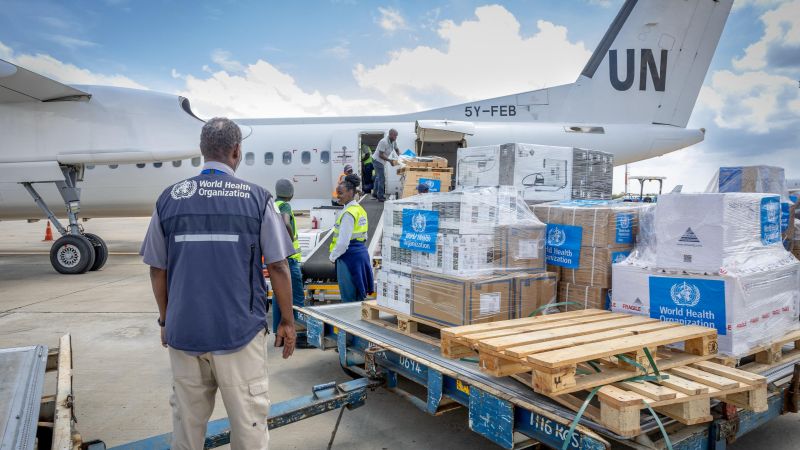
US Ebola Facility in Kenya Temporarily Blocked Over Public Backlash
US Ebola quarantine facility in Kenya – The United States’ proposed Ebola containment center in Kenya has been temporarily suspended by the Kenyan High Court, following mounting criticism from local civil society groups. The decision highlights growing concerns about the facility’s role in managing the virus, which has sparked debates over transparency and the nation’s readiness to host such a unit. While the center was designed to isolate Americans at risk of contracting Ebola during the ongoing outbreak in the Democratic Republic of Congo, its approval has faced challenges due to public sentiment and legal scrutiny.
Outbreak Context and Facility Purpose
The Bundibugyo strain of Ebola, currently active in the DRC, has resulted in over 1,000 infections and 238 fatalities since its identification as a public health emergency on May 15. Though the virus remains concentrated in the DRC and Uganda, fears of its spread into Kenya have intensified. The US initiative aims to provide rapid medical care for its citizens, minimizing the need for long-distance transport back to the United States. However, critics argue that the facility’s location and operational plan raise questions about its effectiveness and impact on Kenya’s healthcare system.
Kenyans have accused the US of inconsistency in its Ebola response, citing a perceived double standard. Earlier this week, US Secretary of State Marco Rubio emphasized the country’s commitment to preventing the virus from entering Kenya, a statement that has drawn both support and skepticism. Local advocates point out that Kenya’s current absence of confirmed cases makes the facility seem unnecessary, while others warn that it could serve as a gateway for the virus if not properly managed.
The proposed facility, located at Laikipia Airbase—approximately 125 miles north of Nairobi—was set to open on Friday, with plans for a 50-bed quarantine unit. The site, approved by the Kenyan government, was selected for its strategic positioning to expedite treatment for Americans leaving the DRC. Despite this, the project has been criticized for its lack of transparency, with some questioning why Kenya was chosen over countries with more advanced containment infrastructure.
Legal and Medical Concerns
Katiba Institute, a prominent Kenyan constitutional law group, swiftly contested the facility’s establishment in court, leading to its temporary halt. Judge Patricia Nyaundi issued an order on Thursday, preventing the operation of any US-led Ebola-related facilities until the legal dispute is resolved. The case is expected to return to court on June 2, where further arguments will determine the facility’s future.
Health professionals and US officials from the CDC have also raised concerns. While the CDC maintains the facility will ensure prompt care for Americans, some Kenyan doctors argue it could strain the nation’s already stretched resources. “The plan is intended to protect American lives, but it also risks exposing Kenya to the virus,” said Dr. Davji Bhimji Atellah, a spokesperson for the Kenya Medical Practitioners, Pharmacists and Dentists Union (KMPDU). The KMPDU has urged the government to clarify whether non-Americans will be treated at the site, adding to the controversy.
“We need clear guidelines on how this facility will be used,” Atellah emphasized during an interview with CNN. “Kenya’s healthcare system is not equipped to handle a surge in cases, especially if the virus is introduced here.”
The US administration has defended the facility as a critical tool in its global strategy to combat the outbreak. Officials argue that the unit’s state-of-the-art design and biocontainment capabilities make it an effective solution for protecting American citizens. However, the plan has also drawn attention to the broader collaboration between Kenya and the US, which includes ongoing discussions about aid funding and resource allocation. The situation underscores the tension between international health partnerships and national concerns about preparedness and accountability.
