
They were the ‘unsung heroes’ of firefighting. Their deaths mark a grim milestone for the new wildland fire service
Three Wildland Firefighters Killed in Colorado Blaze Signal Dangers of New Era in Firefighting
A Tragic Loss Marks a Historic Moment for the U.S. Wildland Fire Service
They were the unsung heroes of firefighting – On Saturday, a rapid escalation of conditions turned a routine wildfire response into a life-and-death scenario for three Colorado wildland firefighters. The incident involving the Rifle County Helitack crew, assigned to the Knowles Fire, unfolded in moments, leaving the new federal wildland fire service grappling with its first fatal loss. The tragedy underscores the heightened risks faced by these underappreciated first responders as they confront increasingly volatile wildfires fueled by climate change.
The Knowles Fire, which began as a manageable blaze on the western edge of Colorado, quickly evolved into a catastrophic event. Helitack teams, known for their specialized role in aerial firefighting, were among the first to deploy, working tirelessly to contain the flames. But within minutes, the crew found themselves in peril. A frantic radio alert—”Get out of there now”—sparked chaos as the fire advanced faster than anticipated, trapping the team in a rapidly expanding inferno. Emergency foil-lined shelters were hastily deployed, a desperate measure to shield the crew from the deadly heat. The US Department of Interior confirmed the deaths of Emily Barker, 38; Nick Hutcherson, 27; and Sydney Watson, 27, during the burnover event. Two additional firefighters sustained injuries and are undergoing treatment.
A New Federal Agency Faces Its First Test
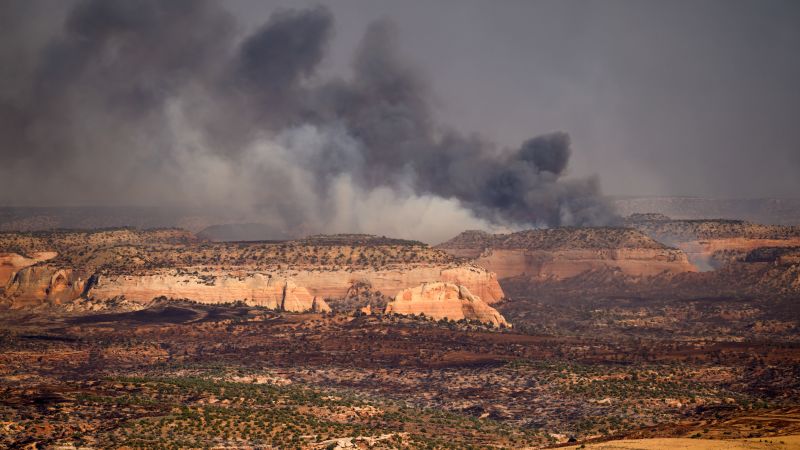
The US Wildland Fire Service, established just months prior in January, now faces its most daunting challenge. While the agency aims to streamline efforts across public lands, this incident highlights the precarious nature of its mission. The agency’s creation was meant to address gaps in coordination and resource allocation, yet the sheer intensity of the Snyder Fire—a name later given to the merged blaze that spread across the Colorado-Utah border—reveals the unpredictable threats it must now manage.
Utah Governor Spencer Cox described the situation as unprecedented, noting that the state’s firefighting resources had been pushed to their limits. “We are seeing fire behavior that even our most experienced firefighters say they’ve never witnessed before,” Cox remarked during a press briefing. He attributed the crisis to a combination of factors: a historic drought and winds that reached 60 mph, creating a tinderbox environment. By the weekend, the Snyder Fire had merged with multiple other blazes, consuming over 28,000 acres and threatening entire communities. The flames, now a formidable force, remain 0% contained as of the latest reports.
Underestimated Risks in the Face of Nature’s Fury
Burk Minor, executive director of the Wildland Firefighter Foundation, emphasized the bravery and sacrifice of those who fight wildfires. “While the wild animals and everything are running out of the woods to escape the flames, our wildland guys are running in,” he said, reflecting on the dangers these crews endure. Minor, who has spent three decades advocating for firefighters, pointed to the evolving nature of wildfires as a key concern. “Climate change is reshaping the conditions they face every day,” he explained. “Any fire now has the potential to become catastrophic, and that means greater risk for those on the front lines.”
Wildland firefighters often work in remote areas, living in temporary camps for weeks at a time. Their tasks range from deploying aerial water drops to constructing firebreaks, each requiring physical and mental resilience. Helitack crews, like the one from Rifle County, parachute into fire zones to assist in rapid suppression, yet they remain vulnerable to sudden shifts in fire behavior. The deaths of Barker, Hutcherson, and Watson during the Snyder Fire serve as a grim reminder of the stakes involved.
A National Crisis and Its Human Toll
The incident has sparked renewed discussions about the safety protocols of the wildland firefighting profession. According to a recent study by the American Burn Association, while wildfires themselves have become less frequent over the past decade, firefighter fatalities have increased significantly. The report found that wildland firefighter deaths now account for 10% of all firefighting fatalities, up from 2% a decade earlier. This trend aligns with Minor’s observations, who noted that fuel conditions are becoming more extreme due to prolonged droughts and rising temperatures.
“Old-school fire was about battling a blaze deep in the mountains,” Minor said. “Now, it’s about managing a system that’s changing faster than we can adapt.” The Yarnell Hill Fire in Arizona, which claimed 19 lives in 2013, marked a pivotal moment in wildland firefighting history. Its 13th anniversary, on June 30, adds another layer of poignancy to the current tragedy. The Snyder Fire’s rapid growth and deadly behavior mirror the challenges seen in past catastrophic events, raising questions about preparedness and response strategies.
A Solemn Procession and the Cost of Service
On Sunday, the emotional weight of the loss was evident as American flag-draped caskets arrived in Grand Junction, Colorado. Dozens of firefighters lined the streets to honor their fallen colleagues, a gesture that symbolized both unity and grief. The procession, which included equipment from multiple local fire departments, moved from the airport to the coroner’s office, a journey that contrasted sharply with the fiery devastation occurring just an hour away. The cloudless sky above Grand Junction offered a deceptive calm, masking the relentless threat of the Snyder Fire.
As the blaze continues to spread, officials are racing against time to protect lives and property. The fire’s progression has forced emergency measures, including restrictions on July 4th fireworks in Utah, where the situation has reached critical levels. The unprecedented scale of the disaster has tested the limits of both state and federal resources, with agencies scrambling to allocate personnel and equipment to contain the flames. Yet, even in the face of such chaos, the dedication of wildland firefighters remains unwavering.
Legacy and Lessons in the Face of Climate Change
The Snyder Fire serves as a stark example of the challenges posed by a warming climate. Drought conditions have left forests and grasslands drier than ever, while erratic weather patterns have intensified fire behavior. “It’s not just about the fire itself—it’s about the environment it’s happening in,” said Minor. “We’ve reached a point where even small sparks can ignite massive disasters.”
For the families of the fallen firefighters, the loss is both personal and professional. The Wildland Firefighter Foundation, which has supported over 28,000 firefighters nationwide, continues to highlight the human cost of these efforts. Minor’s words resonate deeply: “When you’re battling Mother Nature, you’re up against the elements all the time. … Bad things happen on bad days.”
As the Snyder Fire rages on, the tragedy reminds the nation of the bravery and sacrifice required to protect public lands. The three firefighters’ deaths mark a pivotal moment for the US Wildland Fire Service, which must now navigate a new reality of extreme fire conditions. Their legacy, like that of countless others before them, is one of courage in the face of nature’s fury—a testament to the enduring spirit of those who choose to fight the flames.
