
The next steps for a weakened NYC high-rise are up in the air. Here’s what’s happening now – and what could come next
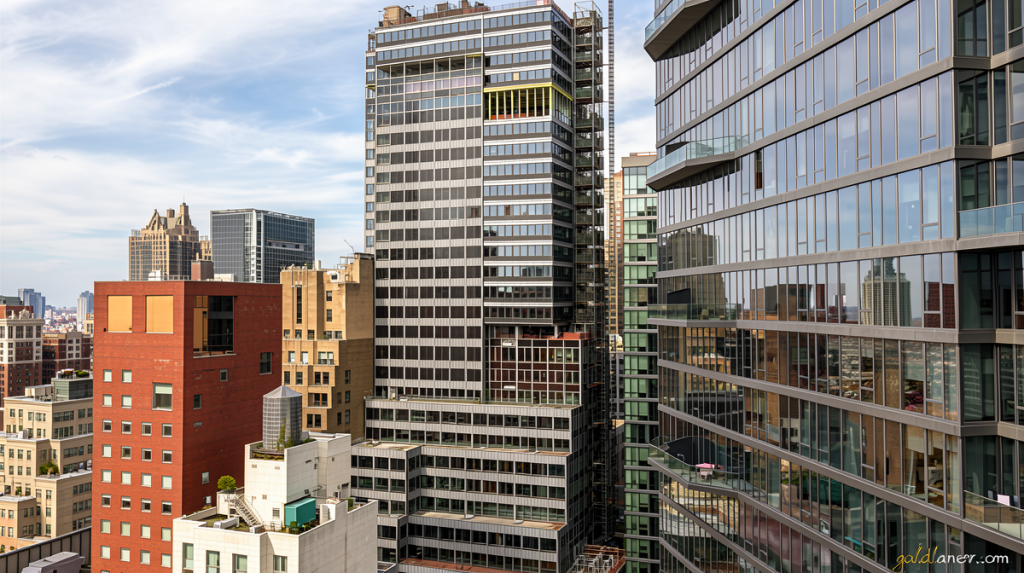
Unresolved Questions Loom Over NYC High-Rise After Structural Setback
The next steps for a weakened – Construction crews working on a Midtown Manhattan skyscraper are anticipated to complete their emergency reinforcement efforts by Thursday, according to the project’s developer. However, the path forward remains uncertain for this “unusually ambitious” undertaking as experts investigate the root cause of support columns that buckled on the building’s 21st floor. An independent structural engineer suggested to CNN that a “partial demolition” could become necessary before work resumes on what MetroLoft describes as the most significant office-to-residential transformation in New York City’s history.
While the developer maintains that no section of the structure ever faced collapse risk, this position differs from Tuesday’s statements by municipal authorities. City officials characterized the building as unstable and created an official “collapse zone” surrounding the property. Union laborers identified the crumpled support beams on Tuesday and assisted with evacuating occupants, according to a union representative. Now both workers and local residents are questioning when it will be secure to re-enter the premises.
Reinforcement Efforts Underway
For over twenty-four hours, teams have been reinforcing the building’s most vulnerable areas using emergency jacks and new steel supports, NYC Buildings Commissioner Ahmed Tigani explained. These shoring jacks function as heavy-duty, adjustable props designed to temporarily hold up vertical elements like ceilings, concrete slabs, and walls. By Wednesday morning, workers had placed temporary shoring and beams across floors 18 through 23, with additional floors receiving support throughout the day, Mayor Zohran Mamdani reported.
Nathan Berman, founder and managing principal of MetroLoft, stated that crews should complete shoring the affected levels by Thursday. Once the Department of Buildings grants permission, the impacted columns and beams will receive complete replacement, Berman noted. The construction initiative involves adding stories to an existing structure located at 219 East 42nd Street while simultaneously renovating the adjacent 33-story tower at 235 East 42nd Street, according to architectural firm Gensler.
Understanding the Structural Failure
The project incorporated approximately 18,000 square feet across fifteen upper levels, and this extra weight caused two columns to bend, Berman explained. Those floors subsequently shifted and sagged—some sections dropping as much as four inches. City officials clarified that the buckled columns positioned between the original building framework and newly constructed floors created the sagging problem. According to Berman, the columns bent either because they lacked proper reinforcement or “having been missed in the reinforcement process,” though he emphasized the precise cause will be identified “in due time.”
CNN contacted the Department of Buildings on Thursday to learn about upcoming work. Structural engineers indicated that full stabilization might require crews to shore floors extending from the foundation upward to the sagging sections above. Chris Cerino, past president of both the National Council of Structural Engineers Associations and the Structural Engineers Association of New York, explained that ideally teams will “transfer the weight in the compromised areas to the foundation.” He added that crews “will likely be installing shoring posts, which are small columns, for the entire height of the building at and below the failure zone.”
Looking Ahead
After examining photographs of the construction site, Cerino expressed his belief that demolishing part of the building may be required before resuming construction. MetroLoft confirmed it will replace damaged beams and “will fully rebuild” the affected portion. Converting a skyscraper into apartments proves considerably more complex than constructing residential units from scratch.
Office-to-apartment conversions have accelerated since the pandemic reduced occupancy in aging commercial buildings, offering municipalities a solution to housing shortages. These transformations demand substantial structural, plumbing, and mechanical modifications. MetroLoft stated it will address whatever triggered the structural damage while rebuilding the affected section alongside continuing construction activities. The developer noted the issue represents a localized situation impacting fewer than 30 of the more than 1,600 apartments. Reconstructing the buckled sections won’t postpone the project, which remains on track for completion next year, according to the company. Mamdani described office-to-residential conversions as “part of our answer to the housing crisis” while acknowledging the safety concerns raised by this incident.
