
New York Attorney General appointed as special prosecutor in Cornell assault case
Goldlaner.com – A renewed investigation into the alleged 2024 gang rape of a former Cornell University student is moving into a new phase after New York Gov. Kathy Hochul appointed Attorney General Letitia James as special prosecutor. The decision comes amid mounting anger from students, parents and faculty members, who have demanded accountability for those accused and greater scrutiny of how the university and local authorities handled the case.
Hochul announced the appointment Thursday, saying she had “lost faith” in the county district attorney’s capacity to “fairly oversee” the matter. The governor and James are expected to discuss the investigation’s next steps at a Friday news conference.
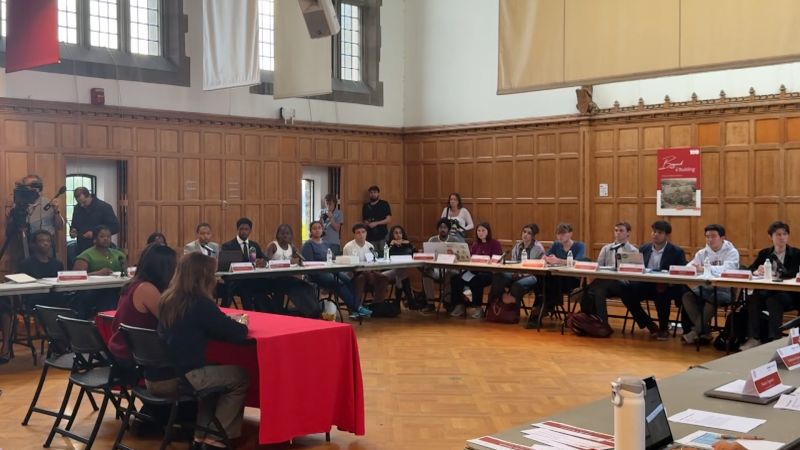
The case has become a flashpoint for broader concerns about sexual-assault reporting and institutional responses at colleges. Students at a public campus forum Thursday described grief, frustration and a belief that the university must do more to protect survivors and respond when allegations are raised.
Questions about the initial investigation
The allegations involve an incident at the Chi Phi fraternity house that began on October 19, 2024. The former student is identified publicly as Jane Doe. Information that emerged this week has prompted new scrutiny of what investigators learned and what material was provided to the county district attorney before prosecutors chose not to pursue charges in 2024.
The district attorney has said his office received Snapchat messages exchanged in connection with the incident, along with a six-page investigative report, before the decision not to bring charges. Cornell has maintained that its police department followed required procedures and delivered all investigative information to the district attorney.
The university said Thursday that it supports the governor’s decision to place the matter under a special prosecutor. Cornell has not disclosed specific disciplinary findings involving individual students, citing federal student privacy protections. It has said, however, that violations of university policy may result in penalties ranging up to suspension or expulsion.
Chi Phi’s Cornell chapter was barred from campus in 2024. Earlier this year, a Cornell task force focused on sexual assault released its final report, adding to continuing campus discussions about prevention, reporting and institutional responsibility.
Campus forum reflects a community in distress
At Thursday’s student assembly hearing, members of the Cornell community voiced support for Doe and described the emotional effect the case has had across campus. Much of the meeting was held off the record to give students space to speak openly, but several participants addressed reporters during the public portion.
Eeshaan Chaudhuri, the student assembly president, told attendees that the events had left students deeply ashamed.
“I think I can speak for every single one of us when I say we’re absolutely ashamed of the events that happened on our campus,” Chaudhuri said.
Some students placed responsibility on Cornell leaders for failing to adequately safeguard Doe. Others pointed to concerns about the university’s investigative processes and to wider issues tied to fraternity culture. The discussion reflected not only outrage over one case, but also anxiety about whether survivors can expect clear guidance, support and meaningful action after reporting an assault.
Sophia Riley Sim, a junior, said students were trying to process the case while meeting the daily demands of their coursework. She characterized the campus atmosphere as a “mental health crisis.”
“I was devastated by what happened to Jane Doe two years ago, when I was a freshman, and I’m a junior now, and I cried about it then, and I am still equally devastated and pained about it now, and I am terribly disappointed in our university,” Sim said.
Her remarks captured the long shadow such allegations can cast over a student body. For many students, campus safety is not limited to formal policies or disciplinary rules; it also depends on confidence that reports will be handled carefully, that witnesses can be heard and that people seeking help will not be left to navigate a difficult process alone.
Students call for a response that survivors can trust
Jane Wang, another junior who spoke during the public session, said she had reported a sexual assault to Cornell and felt abandoned by the university’s Title IX process. She said that while recovering mentally, physically and emotionally, she faced extensive paperwork with little direction and no follow-up from the Title IX office regarding an outcome.
“I’m also speaking as a fellow Jane Doe,” Wang said.
Wang said survivors and witnesses need assurance that disclosures will be taken seriously and that institutions will act when information is brought forward. Her comments underscored a central issue in the debate: a response system can be judged not only by whether it has procedures on paper, but also by whether people can understand and use those procedures during an intensely difficult period.
Cereese Qusba, senior editor of The Cornell Daily Sun, said the room erupted in cheers after some speakers called for university officials to resign. She described the moment as part of a larger reckoning over the way colleges confront sexual-assault cases.
“I think it reminds everyone of the MeToo movement ten years ago. And this is now marking a decade since that has happened,” Qusba said.
The appointment of a special prosecutor does not determine the outcome of the investigation. It does, however, shift responsibility to the state attorney general and raises expectations for an independent review of the available evidence and prior handling of the case.
For Cornell, the coming inquiry will likely intensify attention on campus policing, Title IX processes, disciplinary standards and the safeguards available to students who report violence. For Doe and other survivors watching closely, the public debate has become a demand for a system in which reports are met with support, transparency and accountability.
Related Reading
Frequently Asked Questions
What is Special prosecutor takes over Cornell alleged?
Special prosecutor takes over Cornell alleged is the main topic of this guide. The article explains the context, practical details, and next steps readers should understand.
Why does Special prosecutor takes over Cornell alleged matter?
Special prosecutor takes over Cornell alleged matters because readers are looking for a useful answer, not just a short summary. Good content should match search intent and help them decide what to do next.