
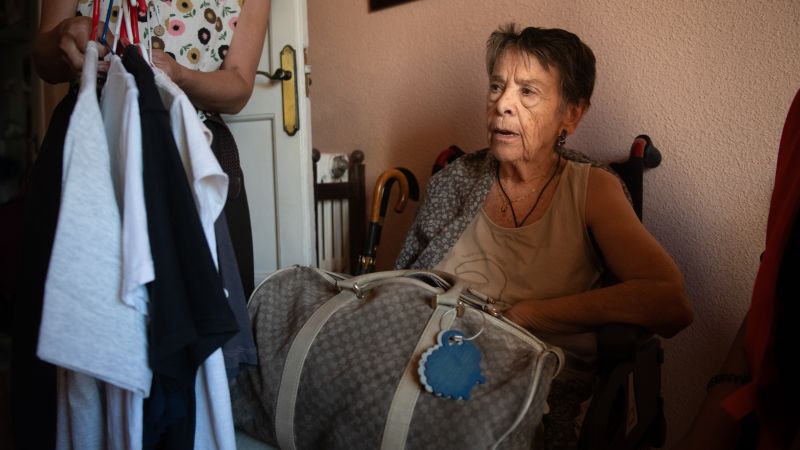
Maricarmen’s Eviction Becomes a Rallying Point in Spain’s Housing Debate
Goldlaner.com – The removal of an 87-year-old woman from the Madrid apartment she had called home for more than seven decades has turned into a national symbol of Spain’s struggle over affordable housing. María del Carmen Abascal, widely known as Maricarmen, was evicted last Wednesday from her flat in the El Retiro district after years of legal disputes, failed negotiations and repeated attempts to delay the process.
Her case quickly prompted demonstrations in Madrid, Barcelona, Seville and Valencia. In the capital, tens of thousands of people took to the streets on Saturday, with some remaining overnight in Puerta del Sol. Families spanning several generations joined the gathering on Sunday as demonstrators demanded stronger protections for tenants and a halt to evictions when a person has no nearby housing alternative.
For many participants, Maricarmen’s situation reflects a broader fear: that longtime residents can be priced out of neighborhoods where they have spent their lives.
A Home Since 1956
Abascal had lived in the apartment on Alcalde Sainz de Baranda Street since 1956. Located near El Retiro Park, it was the home where she grew up with her parents before inheriting their tenancy rights. Her lawyer, Beatriz Duro, said the arrangement was an older form of lease under which Abascal paid roughly 500 euros a month, or about $568.
The building changed hands in March 2018, when real estate company Urbagestión Desarrollo e Inversión bought it for 247,000 euros, about $280,787. Soon afterward, the company sought a rent increase that could have lifted Abascal’s monthly payment to as much as four times its previous level. The Madrid Tenants’ Union said her pension is 1,300 euros per month, or about $1,478.
For an elderly tenant with limited income, the proposed increase left little room to remain in the property. The dispute became a long legal battle rather than a simple disagreement over rent.
Years of Litigation and Delays
In March 2020, the company brought a case seeking to end the lease. Abascal initially prevailed in the lower court, but the Provincial Court later ruled for the owner after an appeal.
Duro then pursued constitutional protection through the Constitutional Court and also appealed to the Supreme Court. Both efforts were rejected. Separately, the property company sought enforcement of the lease termination in order to recover the apartment, leading to as many as four scheduled eviction attempts.
Abascal’s defense secured a four-month postponement in October 2025 through a legal provision that can apply when the party seeking eviction is a corporate entity. A later eviction date in June 2026 was delayed for nearly a month because of her vulnerable circumstances and lack of alternative accommodation. The matter was then pushed to July, with further appeals filed by her lawyer.
Supporters and representatives continued looking for a solution until the final eviction. Duro said mediation took place through Casa 47, the state housing agency, with the aim of having the apartment purchased and then rented back to Abascal at a manageable price. An unidentified person also offered, on the day before the eviction, to cover part of the rent. None of the proposals produced an agreement with the owner, Duro said.
Hospital Treatment and a Message to Supporters
Abascal was taken from the apartment on a stretcher and brought to Gregorio Marañón Hospital. She was expected to stay for several days while undergoing medical tests.
From the hospital, she addressed those who had mobilized in her support through a video message on Friday. Her words moved the focus beyond her own apartment and toward the wider struggle for secure housing.
I was unable to save my home, but I have fought so that others may learn to defend theirs.
My home has been my life. Now I must leave it behind, but that does not mean I will stop fighting.
Please, keep fighting.
She also thanked supporters and sent them what she described as a very big hug.
Why the Case Has Resonated
Maricarmen’s eviction has brought a personal face to a housing question affecting residents across Spain: how tenants can remain in their communities when ownership changes, rents rise and affordable alternatives are scarce. Her long connection to the home, combined with her age and pension income, helped turn the case into a powerful point of identification for people already concerned about housing security.
The demonstrations were not solely about one tenant or one landlord. They also expressed frustration with the gap between legal outcomes and the practical consequences for people who cannot readily find another place to live. Calls for stronger renter safeguards have intensified alongside demands that eviction procedures account more fully for whether a household has a realistic housing option.
For Abascal’s supporters, the immediate outcome was painful: a woman was forced to leave the apartment where she had spent most of her life. Yet the public response suggests her story will continue to shape Spain’s conversation about the meaning of home, the limits of tenant protection and the urgency of ensuring that people are not left without a place to go.
Related Reading
Frequently Asked Questions
What is Please fight?
Please fight is the main topic of this guide. The article explains the context, practical details, and next steps readers should understand.
Why does Please fight matter?
Please fight matters because readers are looking for a useful answer, not just a short summary. Good content should match search intent and help them decide what to do next.