
NASA makes moves to dodge costly delays on its path to build a $30 billion moon base
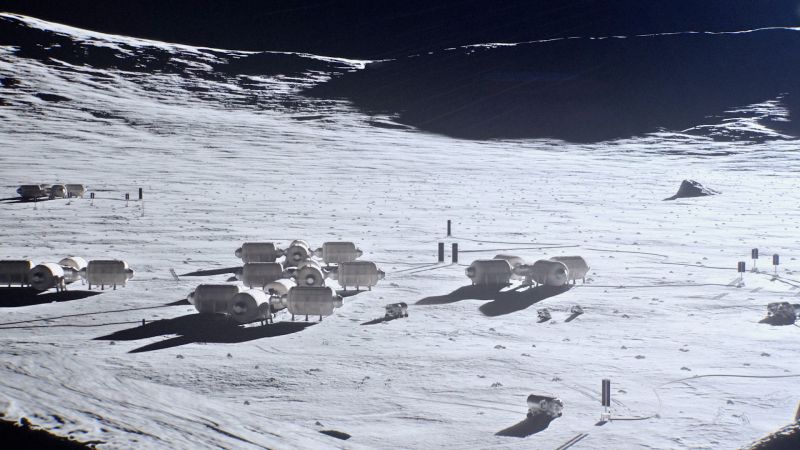
NASA makes moves to dodge costly delays on its path to build a $30 billion moon base
Phase 1 Contracts and Strategic Partnerships
NASA makes moves to dodge costly – NASA’s lunar base initiatives, initially outlined several months ago, are now entering a critical phase as the agency charts a course to establish infrastructure on the moon. A key step in this effort came Tuesday, when NASA allocated nearly $590 million to three firms—Astrobotic, Firefly, and Intuitive Machines—for four missions aimed at delivering scientific equipment and cargo to the lunar surface. This funding underscores the space agency’s commitment to accelerating progress despite challenges that could otherwise slow down its timeline. Astrobotic, based in Pennsylvania, emerged as the sole recipient of two missions, highlighting its role in advancing the project. Meanwhile, Firefly and Intuitive Machines received single contracts, though both have demonstrated varying levels of success in past lunar endeavors.
The agency’s approach reflects a broader strategy to leverage robotic vehicles for foundational tasks, such as setting up systems that will later support human exploration. One intriguing idea is the potential reuse of a Mars rover, dubbed “Promise,” which could be adapted for lunar operations. This flexibility aims to maximize resources and minimize costs, as NASA seeks to create a sustainable presence on the moon. The contracts announced this week are part of Phase 1, a phase that spans through 2028 and is projected to cost around $10 billion. This stage focuses on deploying essential assets to build the groundwork for a permanent settlement, with astronauts ultimately envisioned as the core users of the infrastructure.
Earlier this month, NASA expanded its Phase 1 efforts by renaming three previously contracted missions to align more closely with the moon base initiative. These adjustments signal a shift in priorities, emphasizing long-term goals over short-term objectives. In May, additional contracts worth over $1 billion were awarded for developing buggies to traverse the lunar terrain and drones to aid in mapping potential settlement sites. These drones may play a pivotal role in identifying optimal locations for future habitats, potentially by the end of the decade. The combination of these technologies and partnerships is seen as a way to reduce reliance on a single provider and diversify the supply chain.
Challenges with Blue Origin and Alternative Plans
Despite these advances, NASA faces hurdles from its private-sector collaborators. Blue Origin, the space company founded by Jeff Bezos, was set to deliver a prototype of its Blue Moon lander to the lunar south pole later this year. This region is of particular interest due to its suspected water ice deposits, which could be converted into rocket fuel or used for life support systems. However, a major setback occurred in May when one of Blue Origin’s New Glenn rockets exploded on the launchpad, damaging critical infrastructure and delaying timelines. The incident has raised questions about whether the Blue Moon mission will stay on track, with NASA’s Carlos García-Galán suggesting the possibility of using an alternative vehicle if needed.
“We are looking at other options in case Blue Origin’s rocket and launchpad work doesn’t meet the agency’s timeline,” García-Galán stated, emphasizing the need for adaptability in a high-stakes endeavor.
NASA Administrator Jared Isaacman echoed this sentiment in a social media post following the New Glenn incident. “We have been saying for months at NASA that we are not going to sit on our hands and wait for the capabilities necessary to achieve the nation’s most pressing objectives,” he said. “We are going to take an active role alongside our partners, just as we did in the 1960s, to overcome setbacks, remove obstacles, and deliver the intended outcomes.” Isaacman’s remarks highlight NASA’s proactive stance, positioning the agency as a key player in guiding its private-sector allies through technical difficulties.
Competition with China and the Future of Lunar Settlements
NASA’s push to establish a moon base is driven in part by the rapid progress of China’s space program, which has made significant strides in lunar exploration over the past decade. Lawmakers have warned that China’s efforts could challenge the United States’ dominance in space, prompting NASA to prioritize speed and efficiency. The agency’s current strategy includes not only building up its own capabilities but also fostering innovation among industry partners to keep pace with global competitors.
While Blue Origin’s Blue Moon lander is a major component of NASA’s vision, the space agency has a range of other collaborators. For instance, Firefly Aerospace, based in Texas, is the only company to date that has completed a fully successful lunar mission, landing its Blue Ghost vehicle near the equator last year. Intuitive Machines, also based in Texas, has attempted to deliver landers to the south pole twice but encountered stability issues during both attempts. These varied experiences underscore the importance of multiple players in the lunar race, as each brings unique strengths and challenges to the table.
Phase 2 and Phase 3 of NASA’s moon base plan, which are still in development, outline more ambitious goals. These include constructing the first pressurized habitats on the moon and installing power generators to support long-term operations. Such advancements are expected to take shape in the 2030s, with the ultimate aim of creating “semi-permanent” settlements that can sustain human activity for extended periods. García-Galán described these phases as a continuation of the effort to build a self-sufficient lunar presence, one that will serve as a hub for scientific research and future exploration beyond Earth.
The recent flurry of announcements and collaborations reflects NASA’s broader goal of stimulating innovation in the private space industry. García-Galán noted that these actions are intended to reassure companies that the agency is committed to its lunar ambitions, encouraging investment in technologies and logistics. By diversifying its partnerships and setting clear milestones, NASA aims to create a robust ecosystem that can support its long-term vision. This includes not only deploying robotic systems but also ensuring that they are capable of withstanding the harsh lunar environment and functioning reliably for years.
As the moon base project moves forward, the interplay between public and private efforts will be crucial. While NASA leads the coordination, the success of the mission will depend on the reliability of its partners and the ability to overcome technical and logistical obstacles. The agency’s hands-on approach, as demonstrated by its response to the Blue Origin setback, signals a willingness to take direct action when necessary. This strategy is designed to maintain momentum and ensure that the $30 billion investment translates into tangible progress on the lunar surface.
Ultimately, NASA’s moon base initiative represents a bold step in humanity’s quest to expand beyond Earth. By combining the strengths of multiple private companies and leveraging robotic technology, the space agency is positioning itself to achieve its goals in a timely manner. The lessons learned from earlier missions and setbacks will inform future developments, ensuring that each phase of the project is both innovative and efficient. With Phase 1 underway and future phases in the pipeline, the path to a permanent lunar settlement is becoming increasingly clear, even as challenges continue to arise along the way.
