
Fast-moving wildfires scorch thousands of acres across the West, and there’s more danger ahead
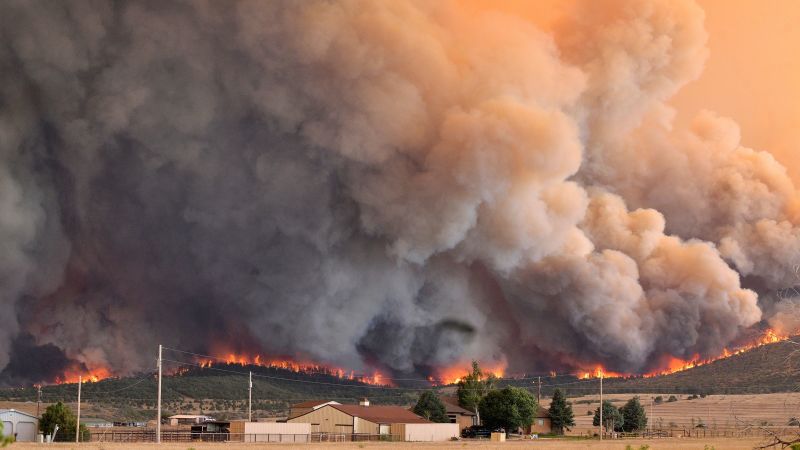
Fast-Moving Wildfires Scorch Thousands of Acres in the West, More Danger Ahead
Escalating Fire Threats
Fast moving wildfires scorch thousands of acres – Fast-moving wildfires have scorched thousands of acres across the Western U.S., pushing communities into emergency response mode. As of Monday, 16 blazes were active in Colorado, with the Snyder Fire in Mesa County declared a disaster emergency. By the same date, this fire had consumed over 30,000 acres, forcing evacuations and highlighting the intensity of the current fire season. In southern Colorado, the Aspen Acres Fire ignited on Monday morning and rapidly expanded, reaching more than 28,000 acres within hours. These escalating flames continue to challenge local authorities and residents alike.
Environmental conditions are compounding the crisis. Low humidity, dry vegetation, and strong winds are creating ideal conditions for rapid fire spread. Record temperatures have further exacerbated the situation, leaving firefighters to battle against an ever-growing threat. With dangerous fire weather expected to persist through the week, the risk of more fires igniting remains high. This prolonged danger means that the region’s ecosystems and towns remain under threat as the season progresses.
Firefighters Face Increased Risk
Tragedy struck on Saturday when three firefighters lost their lives while tackling a blaze along the Utah-Colorado border. Identified as Emily Barker, Nick Hutcherson, and Sydney Watson, they were part of the wildland fire service, which is now under greater pressure to manage the growing number of blazes. Their deaths underscore the life-threatening nature of the work, as crews are stretched thin by the sheer scale of the fires.
“We owe it to the firefighters on the front lines to prevent new fires from starting,” said Colorado Gov. Jared Polis during a Monday news conference. He called for personal responsibility, especially regarding activities like fireworks, which are a leading cause of ignitions. In response, many Colorado counties have enacted temporary bans on fireworks ahead of the Fourth of July, urging residents to take extra precautions amid the heightened risk.
The situation has intensified efforts to control the fires. Polis has authorized the National Guard to support response teams, signaling the gravity of the situation. Firefighters are working around the clock to contain the flames, but the combination of extreme weather and multiple active fires has overwhelmed resources. In the same incident that claimed three lives, two additional firefighters were injured, emphasizing the perilous conditions they face daily.
Utah’s Record-Breaking Flames
Utah is experiencing its most severe wildfire outbreak in history, with the Cottonwood Fire now scorching over 100,000 acres. This blaze has surpassed the area of Salt Lake City, remaining only 4% contained as assessments continue. Officials warn that the damage could worsen, with crews anticipating further loss of structures and land. Before this, the 2018 Dollar Ridge Fire was Utah’s largest, destroying 74 homes, but the current crisis threatens to redefine the state’s fire history.
Other blazes in the region, such as the Wild Goose Fire in Utah, have burned over 10,000 acres and are 6% contained. Meanwhile, the Babylon Fire has led to the closure of parts of Manti-La Sal National Forest and Canyonlands National Park. These fires are fueled by the same extreme conditions affecting the broader Western U.S., creating a widespread threat to both people and the environment.
Weather Intensifies the Crisis
The National Weather Service issued its first-ever “particularly dangerous situation” red flag warning for central and southern Utah, signaling the heightened risk of wildfires. This warning, still in effect, reflects the ongoing hazardous conditions across the region. With forecasts predicting strong wind gusts and low humidity in western and central Colorado, eastern Utah, and northern Arizona, the danger of new fires igniting remains significant.
As the fire season continues, the combination of climate change and natural factors has created an environment ripe for disaster. Experts warn that the current trend of fast-moving wildfires scorching thousands of acres is likely to persist, requiring sustained efforts from emergency services and the public. The situation underscores the need for vigilance and preparedness, as the West faces an extended period of extreme fire risk.
