
Kenya arrests eight students suspected of arson in deadly school fire
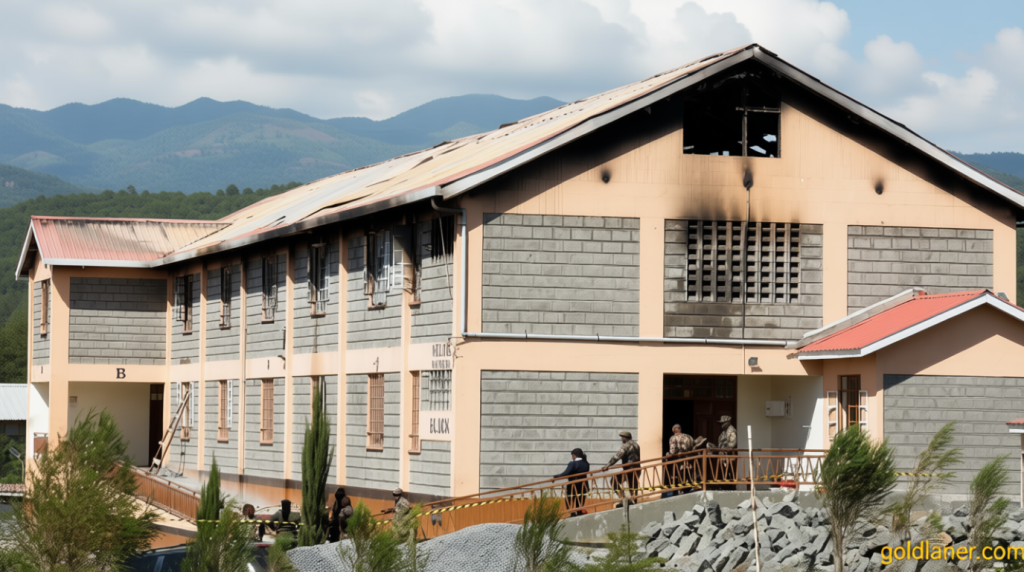
Kenya Arrests Eight Students Suspected of Arson in Deadly School Fire
Kenya arrests eight students suspected of arson – Kenyan police have detained eight students accused of starting a fire that claimed the lives of 16 girls at the Utumishi Girls’ Academy Senior School in Gilgil, a town in the country’s west-central region. The incident occurred in the early hours of Thursday, resulting in severe injuries to 79 additional students. Authorities confirmed the arrests on Friday, stating that the students were under suspicion for their involvement in the suspected arson attack. The Directorate of Criminal Investigations, the police’s investigative arm, detailed that preliminary inquiries had pinpointed the eight individuals as key figures in the planning and execution of the fire.
The blaze, which erupted at the boarding school, has raised concerns about safety protocols in educational institutions. Investigators are examining whether the students intentionally set the fire or if it was an accident. The school, which houses a significant number of young women, is now at the center of a broader discussion about the risks posed by inadequate fire prevention measures. Despite the tragic outcome, no definitive cause has been announced yet, though the focus remains on the students as primary suspects.
Investigations Highlight School’s Safety Failures
Education Minister Julius Ogamba revealed during a press briefing that the school’s administration had overlooked critical safety guidelines. He pointed out that two teachers at the secondary institution had been alerted to the students’ alleged plans but did not take steps to prevent the fire. The minister also emphasized the role of overcrowded dormitories in exacerbating the situation, noting that emergency exits were locked during the incident, hindering a swift evacuation. “This failure to act has led to a tragic loss of life and underscores the urgent need for reform in school management practices,” Ogamba stated, highlighting the systemic issues at play.
The incident is part of a pattern of school fires in Kenya, where researchers have identified recurring causes. Many of these fires, they found, are linked to student protests against strict discipline and substandard living conditions. While some cases are attributed to accidental ignition, others suggest deliberate acts of arson. The Utumishi tragedy has reignited debates about the adequacy of safety measures in Kenyan schools, particularly those that operate as boarding facilities. The government is now considering stricter regulations to prevent similar incidents in the future.
“The eight girls have since been arrested and are currently in police custody,” said the police’s Directorate of Criminal Investigations in a statement. The agency emphasized that the students were not just implicated in the act but were also suspected of orchestrating the attack with premeditation. “Our investigation is ongoing, and we are committed to uncovering all relevant details to hold those responsible accountable,” the statement added.
Authorities have not ruled out the possibility that the fire was a result of negligence rather than intentional acts. The school’s board of management, which oversees operations and safety standards, has been disbanded as a result of the incident. This decision follows a review of the school’s practices, including its failure to maintain clear emergency pathways and ensure that staff were vigilant in monitoring student activities. Ogamba warned that disciplinary action would be taken against any employees found to have neglected their duties during the crisis.
The Utumishi fire joins a list of other devastating school disasters in Kenya’s history. In 2024, a fire at a primary boarding school in Nyeri County killed 21 students, though the cause was never conclusively established. That event, which drew national attention, highlighted the vulnerability of smaller educational institutions to sudden emergencies. The most severe school fire on record occurred in 2001 at Kyanguli Secondary School near Nairobi, where 67 boys lost their lives in a blaze attributed to arson. The incident, which remains a haunting memory for many, prompted significant changes in fire safety protocols across the country.
Experts have called for a more comprehensive approach to preventing school fires. They argue that while student-led protests often spark these incidents, the lack of preparedness among school authorities can turn them into catastrophic events. “Schools must not only address the root causes of unrest but also ensure that safety measures are prioritized,” said one researcher, who analyzed the trend over the past two decades. The current investigation into the Utumishi fire aims to determine whether the students acted alone or if there was a broader network of individuals involved in the attack.
In the wake of the tragedy, parents and community leaders have expressed outrage over the school’s failure to protect its students. Many are questioning whether the school’s management had access to the students’ plans and whether they could have intervened sooner. “We are demanding answers about the conditions that allowed this disaster to happen,” said a local parent, who had been attending the school for years. The community has also called for increased oversight of boarding schools, particularly those with a high number of students in close proximity to one another.
As the investigation unfolds, authorities are working to identify any additional factors that may have contributed to the fire. The eight arrested students are expected to face charges in the coming weeks, with court proceedings likely to reveal more about the circumstances leading to the incident. Meanwhile, the government is reviewing its existing policies on school safety and planning to introduce new measures to mitigate risks. These include mandatory fire drills, improved infrastructure, and stricter penalties for those who fail to adhere to safety protocols.
Kenya’s recent school fire has also sparked a national conversation about the broader implications of such events. With over 500,000 students enrolled in boarding schools across the country, the vulnerability of these institutions has come under scrutiny. The incident has prompted calls for greater investment in fire prevention systems, such as smoke detectors and automatic sprinklers, which are currently not widespread in many schools. “We cannot afford to let complacency lead to more tragedies,” said Ogamba, who has pledged to support the implementation of these improvements.
Looking ahead, the Utumishi fire serves as a stark reminder of the importance of vigilance in educational settings. While the immediate focus is on the students and teachers involved, the broader system is being held accountable. The government’s decision to disband the school’s board marks a significant step in this direction, signaling a commitment to ensuring that such incidents do not recur. As the investigation continues, the hope is that it will lead to lasting reforms that protect students and prevent future disasters.
