
Israel is worried that Trump will strike a ‘bad deal’ with Iran, leaving war objectives unmet
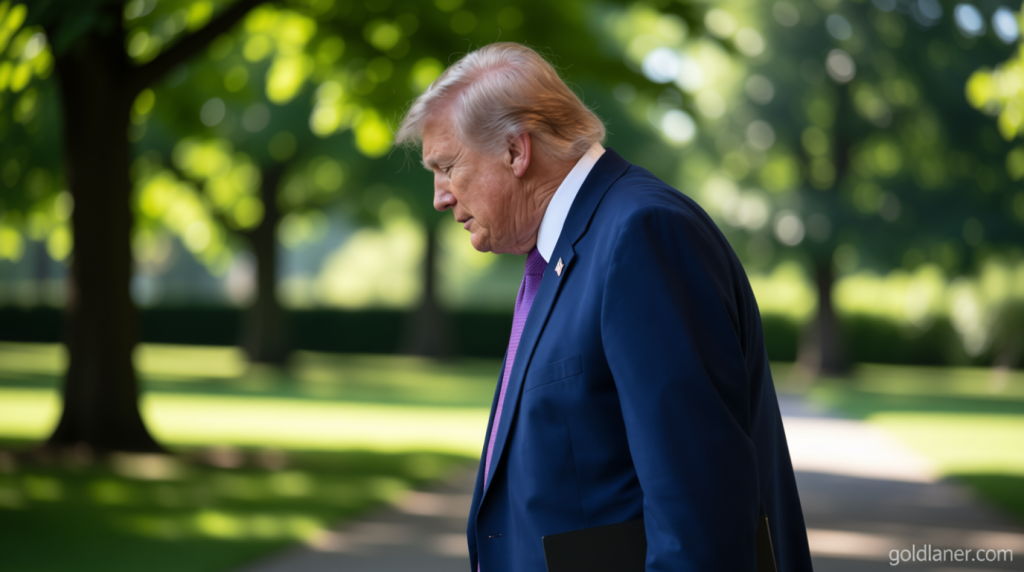
Israel Concerned Trump’s Iran Deal Might Miss War Goals
Israel is worried that Trump will – Israeli officials have raised alarms about President Donald Trump’s potential agreement with Iran, fearing it could compromise the nation’s strategic objectives. As the Middle East conflict intensifies, concerns are growing that Trump’s approach may prioritize diplomatic resolutions over dismantling Iran’s core military and geopolitical threats. Multiple Israeli sources have shared their apprehensions with CNN, cautioning that a deal reached before fully addressing Iran’s capabilities might fall short of achieving long-term stability.
Threats Overlooked in the Talks
The primary worry is that Trump may prioritize nuclear concessions over addressing Iran’s missile arsenal and regional proxies, which remain critical to Israel’s security. Israeli intelligence experts emphasize that any agreement allowing Iran to continue enriching uranium without targeting its ballistic missile systems could undermine the war’s purpose. “Trump’s focus on nuclear terms risks overlooking the immediate danger from Iran’s missile capabilities,” one analyst remarked. This could leave the country with a weakened defense posture and a stronger Iran.
“If Trump settles for a less comprehensive deal, it may stabilize Iran’s position rather than weaken it,” an Israeli insider stated. The sentiment reflects a broader concern that the administration’s strategy could lead to a stalemate, preserving Iran’s ability to project power across the region. This shift in priorities has sparked debate among Israeli officials, who question whether the deal truly aligns with their national interests.
White House Confidence in Negotiation Momentum
White House representatives have defended Trump’s diplomatic efforts, arguing that the administration holds significant leverage in the talks. Spokesperson Olivia Wales asserted that Iran’s current economic strain—due to the Operation Economic Fury sanctions—makes it more willing to negotiate. She highlighted the destruction of key military installations and the disruption of Iran’s proxy networks as tangible achievements. “The deal is a strategic win, even if it doesn’t fully dismantle Iran’s capabilities,” Wales claimed, framing the agreement as a necessary step toward broader peace.
Despite these assurances, Israeli officials remain divided. Some acknowledge the progress made in weakening Iran’s infrastructure, while others argue that the focus on nuclear issues has sidelined more pressing concerns. “The core of the war is about Iran’s ability to strike, not just its uranium stockpile,” a senior Israeli analyst noted, underscoring the urgency of addressing missile threats and regional alliances.
Netanyahu’s Strategic Realignment
Prime Minister Benjamin Netanyahu’s evolving stance has mirrored Israel’s shifting priorities. Initially, he outlined five key conditions for a favorable deal, including the elimination of enriched uranium and the dismantling of Iran’s nuclear facilities. However, recent statements suggest a narrowing focus, with Netanyahu now emphasizing the removal of enriched material as the central goal. “The most important objective is to ensure Iran cannot enrich uranium,” he declared, downplaying the role of ballistic missiles and proxies in the negotiations.
Israeli sources indicate that Netanyahu’s team has accepted the possibility of excluding missile capabilities and regional allies from the final terms. “Some issues are not central to the deal, but we’re still cautious,” a negotiator explained. This compromise reflects a pragmatic strategy, balancing immediate security needs with the broader aim of securing a lasting agreement.
Backchannel Diplomacy and Doubts About Commitment
Netanyahu’s reliance on direct communication with Trump has intensified, driven by skepticism about the effectiveness of the White House’s chief negotiators. Israeli officials believe that Trump’s envoy, Steve Witkoff, and his son-in-law, Jared Kushner, may not fully grasp the stakes of the conflict. “We’re not sure if the deal will hold, and that’s why we’re pushing for direct talks,” a source said. This approach highlights Israel’s desire to ensure Trump’s commitment to the war’s original objectives, even as the administration pursues a more flexible resolution.
With the negotiations entering a critical phase, the challenge remains to align Trump’s vision with Israel’s security concerns. The outcome could determine whether the deal is seen as a setback or a strategic victory, shaping the future of Iran’s influence in the region and the strength of Israel’s defenses. As the talks continue, the focus keyword “Israel is worried that Trump” is likely to remain central to the discourse.
