
ICE agent charged in shooting during Minneapolis immigration crackdown is arrested in Texas
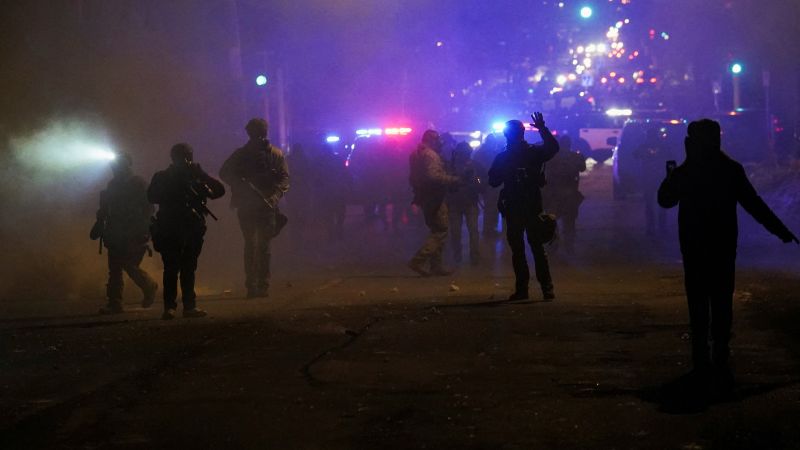
ICE Agent Charged in Minneapolis Shooting Arrested in Texas
ICE agent charged in shooting during – Christian Castro, an Immigration and Customs Enforcement (ICE) agent, has been apprehended in Texas following charges related to a shooting incident in Minneapolis earlier this year. The Hennepin County Attorney’s Office confirmed the arrest, which occurred without incident on Friday morning in Harlingen, Texas. Castro faces multiple counts of second-degree assault and a charge of making a false crime report, according to recent filings. His arrest marks a pivotal moment in the ongoing investigation into the use of force during immigration enforcement operations in the Twin Cities.
DHS Spokesperson Calls Arrest ‘Unlawful’
A spokesperson for the Department of Homeland Security (DHS) asserted that Castro’s arrest constitutes a “political stunt” and is “unlawful.” The statement emphasized that the agent’s actions should be addressed at the federal level, not the state. “Lying under oath is a serious federal offense,” the spokesperson added, noting that the U.S. Attorney’s Office is conducting an investigation. “Upon completion of this review, the officers may face disciplinary measures, including termination, as well as potential criminal charges,” they said. This stance contrasts with Minnesota officials, who have welcomed the arrest as a step toward accountability.
“In Minnesota, we believe in equal justice under the law. That means nobody is above the law, including agents of the federal government,” Minnesota Attorney General Keith Ellison stated in a news release. He praised the “alleged shooting of Julio Sosa-Celis” as unwarranted, citing Castro’s false statements to justify his actions.
Castro’s charges stem from the January 14 shooting of Julio Sosa-Celis, a Venezuelan man who was struck in the leg by an ICE agent during an immigration enforcement operation. The incident occurred in a Minneapolis residence, where Sosa-Celis was reportedly inside when the shot was fired. Initially, federal authorities claimed the man had attacked an agent with a snow shovel or broomstick, prompting the use of force. However, this account was later challenged by video footage and witness testimonies.
The Minneapolis mayor, Jacob Frey, echoed the sentiment that the city had been “invaded” during the enforcement blitz. “Now it must be clear – nobody is above the law, including ICE,” he said in response to the arrest. The operation, known as Operation Metro Surge, intensified the use of force by federal agents in the Twin Cities, leading to a surge in protests and legal action. This case is part of a broader pattern where the government’s initial narratives of shootings involving ICE agents have been undermined by new evidence.
Legal Process and Charges
Castro’s arrest came after his Minnesota arrest warrant was executed. The Bureau of Criminal Apprehension (BCA) reported that he has been booked into Cameron County Jail. “This arrest represents the next step in a long-established legal process,” BCA Superintendent Drew Evans stated. “We will now begin the work necessary to bring Mr. Castro back to Minnesota to face these charges.” The warrant was issued following the Justice Department’s decision to drop federal charges against Sosa-Celis and his cousin, Alfredo A. Aljorna, in February.
The original charges against Sosa-Celis and Aljorna accused them of assaulting an ICE agent. However, the government’s account of the incident collapsed under scrutiny. Prosecutors noted that the nine-minute video captured by a city camera contradicted Castro’s version of events. In the footage, Sosa-Celis is shown outside the home with a snow shovel, which he drops when his cousin arrives. The video does not support the claim that he was attacking the agent, prompting the Justice Department to revise its case.
Castro’s false statements under oath were a key factor in the legal developments. Immigration and Customs Enforcement (ICE) initially portrayed the shooting as a defensive response to an attack. But with new evidence emerging, the agency’s narrative has been called into question. The incident has also drawn attention to the broader context of immigration enforcement in Minneapolis, where tensions have risen during the Trump administration’s crackdown on undocumented residents.
Other Shootings Under Scrutiny
The Minneapolis shooting is not an isolated event. In January, two other fatal incidents involving ICE agents and DHS officers sparked public outrage. Renée Good, a 33-year-old mother of three, was killed by an ICE agent on January 7, while Alex Pretti, a 37-year-old nurse, died after being shot by two DHS officers on January 24. In both cases, the government’s initial accounts were challenged by video recordings and witness accounts, which revealed inconsistencies in the agents’ actions.
These cases highlight the growing scrutiny of federal immigration enforcement. The Justice Department’s decision to drop charges against Sosa-Celis and his cousin followed a thorough review of the evidence. The agency placed two ICE agents on administrative leave for making false statements under oath, underscoring the seriousness of the situation. The shooting of Sosa-Celis, however, remains a focal point in the debate over the use of force during immigration raids.
Castro’s arrest in Texas has reignited discussions about federal accountability. While the DHS spokesperson described the action as “unlawful,” Minnesota officials have framed it as a necessary step toward justice. The case also raises questions about the coordination between federal agencies and local authorities during high-profile enforcement operations. Critics argue that the rapid deployment of ICE agents during the Trump era created a climate where use of force was justified without sufficient oversight.
As the legal process unfolds, the focus will remain on whether Castro’s actions were justified or if they constitute misconduct. The BCA’s role in apprehending him demonstrates the willingness of state agencies to pursue federal officers for alleged violations. Meanwhile, the DHS continues to defend its agents, emphasizing that the initial account of the incident should be considered before further charges are filed.
Castro’s case is emblematic of the challenges faced by law enforcement during immigration enforcement campaigns. The video evidence, combined with conflicting witness statements, has forced a reevaluation of the circumstances surrounding the shooting. This reevaluation has led to the dismissal of federal charges and the initiation of a state-level investigation, which may result in additional consequences for the agents involved.
Minnesota Attorney General Keith Ellison has been vocal in his criticism of the federal government’s handling of the case. “Castro’s alleged shooting of Julio Sosa-Celis appears unwarranted,” he said, citing the agent’s dishonesty in his statements to supervisors. The incident has also drawn support from the Minneapolis mayor, who emphasized the need for transparency and accountability in the face of federal enforcement.
The broader implications of Castro’s arrest extend beyond the specific case. It has reignited debates about the balance between immigration enforcement and the protection of civil rights. With the shooting of Sosa-Celis and other victims, the government’s account of these incidents has been exposed as incomplete, leading to calls for reform in how federal agents are trained and held responsible for their actions.
As the legal proceedings continue, the spotlight remains on Castro and the circumstances of the January 14 shooting. His arrest in Texas signals that the federal government may not be immune to state-level consequences for alleged misconduct. The case is likely to influence future discussions on the accountability of ICE agents and the legal frameworks governing their use of force.
