
Before and after images: Wildfire smoke casts skylines in dystopian haze
Atmospheric Transformation: Canadian Wildfire Smoke Reshapes Eastern American Cities
A Skyline Under Siege
Before and after images – Across the northeastern and midwestern United States, residents have witnessed a dramatic metamorphosis of their urban landscapes. The culprit? A massive plume of wildfire smoke originating from Canadian forests that has drifted southward, enveloping major metropolitan areas in an otherworldly brown-orange veil. This atmospheric phenomenon has not only altered the visual character of cities but has also triggered significant air quality concerns for millions of inhabitants. Before and after images captured by photographers and citizens alike reveal the stunning contrast between clear days and the current hazy conditions that have gripped the region.
The smoke’s journey from Canadian boreal forests has created what many observers are calling a dystopian atmosphere. Where once clear blue skies dominated the horizon, a thick, persistent haze now blankets entire regions. This transformation has been particularly striking in urban centers where the contrast between the smog-choked sky and familiar cityscapes creates an almost surreal visual experience. Before and after images have become a popular way for communities to document this unprecedented environmental event.
Regional Impact Assessment
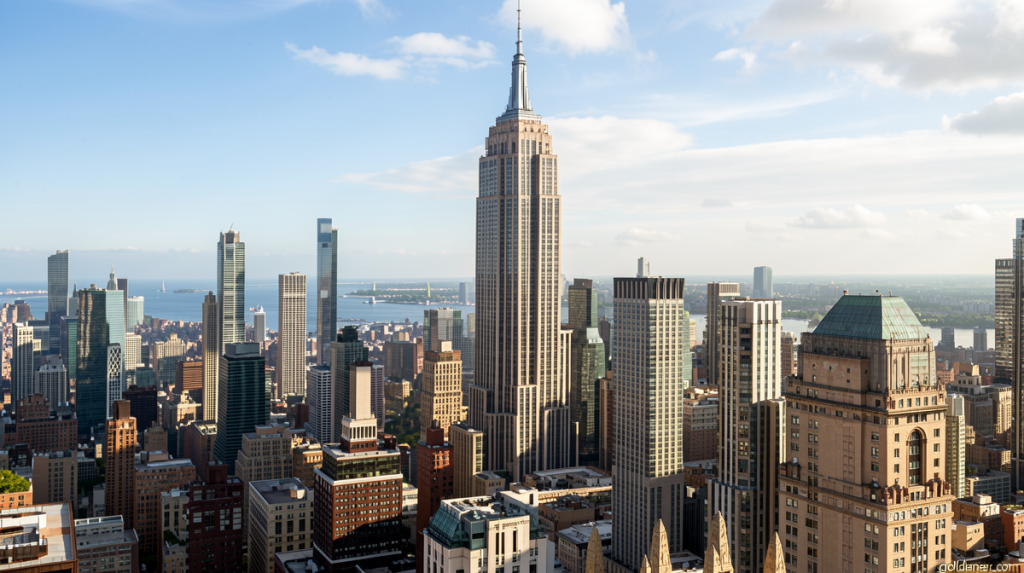
New York City has been among the earliest and most severely affected areas. Since Wednesday, when the smoke cloud descended closer to ground level, the city has grappled with deteriorating air quality conditions. The once-iconic skyline, typically visible on clear days, has been obscured by the persistent brownish-gray atmosphere that has settled over the five boroughs. Before and after images from Manhattan show the dramatic difference in visibility and color tone.
Washington, DC, initially managed to avoid the worst of the air quality crisis. For several days, the nation’s capital maintained relatively acceptable atmospheric conditions. However, by Friday, the situation changed dramatically as a dense layer of smoke settled over the city, bringing with it concerns about respiratory health and visibility for both residents and visitors. Before and after images from the capital capture this rapid deterioration.
Chicago has experienced particularly challenging conditions. On Thursday, the city recorded some of the nation’s most severe air quality readings. Even as days have passed, Chicago remains shrouded in a thick cloud of smoke that has transformed the city’s appearance and prompted health advisories for sensitive populations. Before and after images from the Windy City demonstrate the extent of atmospheric change.
Midwest and Northeast Transformations
The effects of the wildfire smoke have extended well beyond the major coastal cities. Central Pennsylvania has been under a smoky blanket since Tuesday, with residents reporting unusual atmospheric conditions and reduced visibility throughout the region. Before and after images from Pennsylvania communities highlight the regional scope of this phenomenon.
Minneapolis has seen perhaps one of the most dramatic visual transformations. On Wednesday, the city’s famous skyline was completely swallowed by the smoke, with the normally crisp outlines of buildings becoming soft, hazy silhouettes against the brown-orange sky. Before and after images from Minneapolis have gone viral on social media platforms.
Grand Rapids, Michigan, has also experienced a significant change in its atmospheric character. Throughout this week, the city’s skies have shifted from their typical blue to a warm brown-orange hue, creating an almost autumnal appearance during what should be a summer month. Before and after images from Michigan show this seasonal shift in real-time.
Understanding the Phenomenon
Wildfire smoke contains a complex mixture of particles and gases that can travel thousands of miles from their source. The Canadian wildfires, fueled by dry conditions and warm temperatures, have produced an enormous volume of smoke that has been carried by prevailing winds across the northern United States. These fine particulate matter particles, known as PM2.5, are particularly concerning because they can penetrate deep into the lungs and even enter the bloodstream.
The health implications of prolonged exposure to such smoke include respiratory irritation, exacerbation of asthma and other lung conditions, and potential cardiovascular effects. Health officials have recommended that individuals with pre-existing conditions, children, and the elderly limit outdoor activities during periods of poor air quality. Before and after images serve as visual reminders of why these precautions matter.
Before and after images provide compelling evidence of how climate-related events are reshaping our daily environments and challenging communities to adapt to new atmospheric realities.
As the smoke continues to drift and settle, communities across the affected regions are adapting to this temporary but significant environmental challenge. Weather patterns will ultimately determine how long the haze persists and when skies can return to their normal clarity. Before and after images will continue to document this evolving situation as it unfolds.
