
Austrian man sentenced to 15 years in prison for plot to attack Taylor Swift concert in Vienna
Austrian man sentenced to 15 years in prison for plot to attack Taylor Swift concert in Vienna
Sentence and Admissions
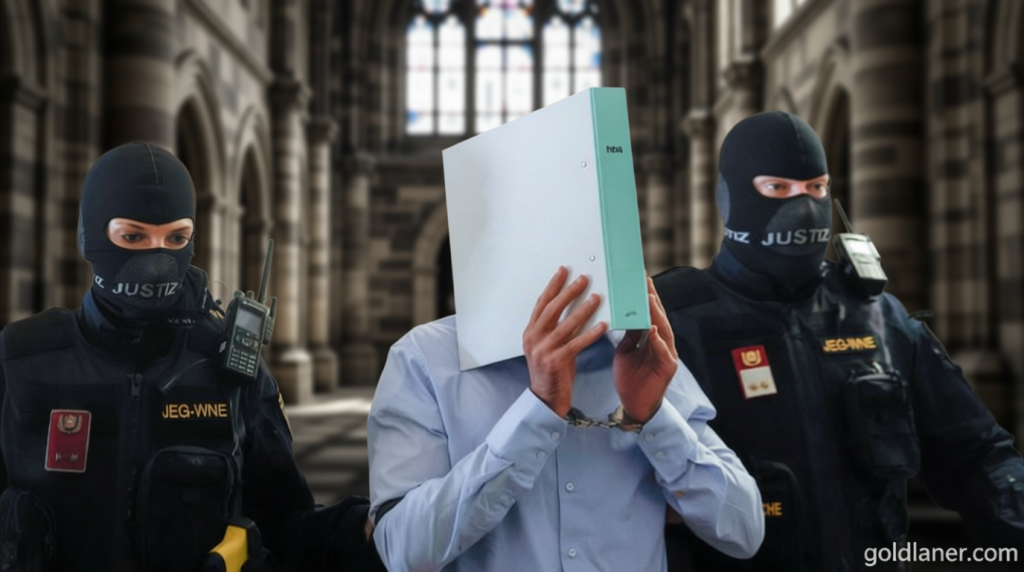
Austrian man sentenced to 15 years – On Thursday, an Austrian court handed down a 15-year prison sentence to a 21-year-old individual who confessed to orchestrating a thwarted Islamist attack on a Taylor Swift concert in Vienna. The defendant, known only by his first name Beran A, had not disclosed his surname due to privacy protections under Austrian law. His crime was part of a broader investigation into terrorism, with the court determining his guilt on multiple charges, including planning and attempting to execute the attack. Beran A entered the courtroom with a ring binder covering his face to prevent identification in media photographs, a precaution taken to shield his identity. In his closing statement, he expressed regret, stating, “I would just like to say that I am sorry.”
Foiled Attack and Canceled Concerts
Beran A was apprehended on August 7, 2024, the day before the first of three Taylor Swift concerts scheduled in Vienna. The concerts, which were intended to draw large crowds, were ultimately canceled, leaving fans in disappointment. Taylor Swift herself described the event as “devastating” in a later reflection, underscoring the personal and emotional impact of the foiled plan. While attendees in Vienna gathered in groups to comfort one another, neither Swift nor her fans were present during the trial held in Wiener Neustadt, a town located south of the capital. The absence of the pop star and her supporters from the courtroom added a layer of distance to the proceedings, which focused on the defendant’s actions.
Weapons and Bomb-Making Instructions
The court found Beran A responsible for attempting to acquire illegal weapons, including a machine gun and a hand grenade. Additionally, he followed a video tutorial from the Islamic State titled “Make a bomb in the kitchen of your mom” to create a small amount of triacetone triperoxide (TATP), a highly volatile explosive. This step-by-step guide, which was shared with him by the group, demonstrated his commitment to carrying out the attack. The evidence against him included purchases of materials and communication with suspected Islamist operatives. His decision to target the concert was described as a calculated move, influenced by his earlier attempts to execute a separate attack.
Separate Attack Plans and Co-Defendant
Beran A’s plan extended beyond the Vienna concert. He and his co-defendant, Arda K, were accused of plotting to conduct individual attacks in two Middle Eastern cities earlier in 2024. The pair had traveled to Dubai and Istanbul, respectively, to carry out these plans. However, Beran A admitted he had a panic attack while searching for victims in Dubai, deterring him from proceeding with the attack. This moment of hesitation led him to redirect his focus to the Taylor Swift concert, which he viewed as a more opportune target. Arda K, meanwhile, was found guilty of all charges and received a 12-year sentence, while Beran A’s fate hinged on the jury’s assessment of his role in the broader scheme.
Third Man and Moral Support Allegations
A critical aspect of the trial centered on Beran A’s alleged connection to a third individual, who was arrested in Mecca on suspicion of attacking a security official at the Grand Mosque. Beran A and Arda K testified that they had provided moral encouragement to this third man, though they denied offering tangible material support. The prosecution argued that this support was integral to the group’s coordination, highlighting the interconnectedness of their efforts. Despite this, the closing arguments of the defense emphasized that Beran A was not the central figure in the conspiracy. “Beran is not a leader. He is not an ideological mastermind,” asserted his lawyer, Anna Mair, during the final phase of the trial.
Impact on Fans and Public Perception
The canceled Taylor Swift concerts left a visible mark on Vienna’s cultural landscape. Fans gathered in solidarity, singing together to cope with the loss of the event. This communal reaction contrasted sharply with the courtroom’s quiet proceedings, where the case against Beran A was presented with meticulous detail. The legal process underscored the gravity of the situation, linking the defendant’s actions to broader Islamist threats. The decision to target a public gathering, rather than a more isolated location, reflected the attackers’ intent to maximize casualties.
Legal Proceedings and Jury Findings
During the trial, the jury was presented with 15 charges, including Beran A’s involvement in the concert plot and his support for the third man in Mecca. While they found him guilty on all but two counts, the court emphasized his active participation in the terrorism-related offenses. The defense had argued that the third man’s arrest in Mecca overshadowed the Swift concert incident, prompting them to focus on the defendant’s role in the broader network. Despite this, the jury’s verdict highlighted Beran A’s responsibility, noting his efforts to acquire weapons and his adherence to the Islamic State’s bomb-making instructions.
Aftermath and Future Implications
Beran A’s sentence marks a significant milestone in Austria’s counterterrorism efforts. The case has sparked discussions about the role of individual actors in large-scale plots, as well as the influence of extremist ideologies on young people. His admission of guilt and the detailed account of his planning process provide insight into the mindset of those drawn to radicalism. Meanwhile, Arda K’s conviction highlights the collaborative nature of such attacks, even when individual plans falter. The trial also served as a reminder of the vulnerabilities in public events, which can become focal points for terrorists seeking to strike symbolic blows.
Public Reaction and Cultural Significance
The incident has resonated with both fans and critics, illustrating the intersection of pop culture and global security. Taylor Swift’s concerts, often seen as a unifying experience, became a target for radicalization. The emotional weight of the canceled events underscores how such attacks can disrupt not just the immediate plans, but the broader cultural impact of an artist. Beran A’s case also reflects the challenges of tracking and prosecuting terrorism in an increasingly interconnected world. As he begins his 15-year sentence, the focus remains on the lessons learned from the plot, including the need for vigilance in public spaces and the importance of early intervention.
The Austrian court’s decision to sentence Beran A to 15 years reinforces the severity of the charges against him. While he and Arda K were not convicted of the Mecca attack, the jury’s findings confirmed their involvement in multiple plots. This outcome highlights the complexity of terrorism cases, where individuals may play varying roles. Beran A’s story, from his initial hesitation in Dubai to his resolve to target a Vienna concert, serves as a case study in the progression of radical behavior. As the trial concludes, the community reflects on the balance between security and the freedom to enjoy public events, a tension that will likely remain in the spotlight for years to come.
