
A widespread, searing heat dome and an extreme fire threat are expected as a major US weather pattern change unfolds
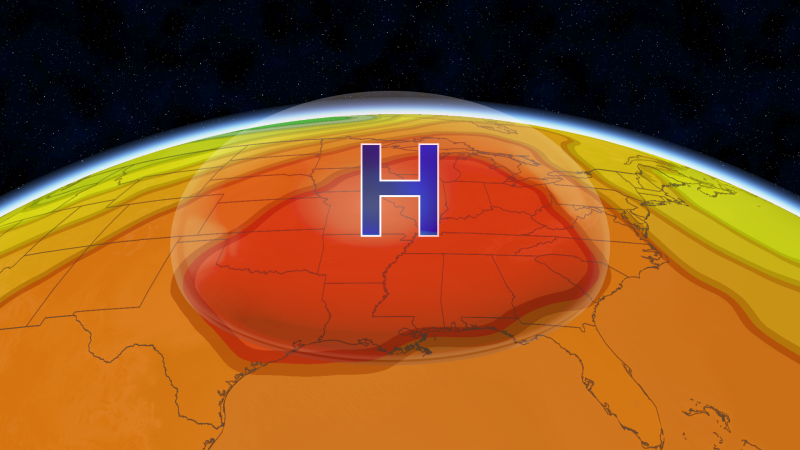
A Widespread, Searing Heat Dome and Extreme Fire Risk Signal Major Weather Shift
Heat Dome Targets Eastern US, While West Experiences Unusual Cooling
A widespread searing heat dome – The eastern half of the United States is bracing for a heat dome that will unleash dangerously hot and humid conditions, marking the region’s most extensive heat event of the summer. This atmospheric phenomenon, driven by a significant reconfiguration of the jet stream, is expected to intensify by early next week. Simultaneously, the Western states are witnessing a sharp cooldown, with strong winds accompanying the temperature drop. While this relief may seem welcome in the West, it could exacerbate fire danger in regions like Utah and neighboring states, where flames are already consuming large swaths of land.
Major Cities Face Unprecedented Heat Challenges
Urban centers such as Chicago, Detroit, St. Louis, Dallas, and Nashville may see their thermometers reach record-breaking highs this year. The National Weather Service (NWS) warns that the heat index—accounting for humidity—will soar to hazardous levels, creating oppressive conditions across the affected region. A surge of humid air from the South is projected to sweep into the Midwest, compounding the discomfort. By midweek, this pattern will extend eastward to the Northeast, where New York City, Pittsburgh, and Washington, DC, are also in store for sweltering temperatures.
Heat Index Projections and Health Risks
“Millions of people are expected to experience ‘feels-like’ temperatures reaching 100 to 110 degrees Fahrenheit,” says the NWS. In some locations, the heat index could peak at 115 degrees. The National Centers for Environmental Information note that the Deep South to as far north as Minnesota, Wisconsin, and Michigan will face a Level 3 or 4 heat risk, with conditions persisting for several days. “Heat and humidity can be life-threatening for anyone without adequate cooling or hydration,” adds the CDC. Prolonged exposure risks illnesses like heat exhaustion, cramps, and heat stroke, which have been linked to surges in emergency room visits during extreme heat events.
Fire Weather Intensifies in Utah and Surrounding Areas
As the heat dome stabilizes, it will trap hot air for extended periods, heightening fire weather risks. A Level 3 fire warning has been issued for Friday in Utah, a state already grappling with destructive wildfires. The NWS has also issued its first-ever “particularly dangerous situation” red flag warning, spanning central and southern Utah and parts of northern Arizona and eastern Nevada. “This threat is so severe it has triggered an unprecedented alert,” the agency explains. The combination of high temperatures, low wind speeds, and dry conditions creates a volatile mix that could lead to rapid fire spread.
Climate Change Amplifies Heat Wave Frequency and Intensity
Scientists emphasize that the escalating severity of heat waves is a direct consequence of human-induced climate change. “Global warming from fossil fuel pollution has made extreme heat events more frequent and harsh,” states the NWS. Recent examples include the record-breaking heat in Europe last week and the severe temperatures in the western US during March. While this upcoming heat wave may not match those extremes, its duration and intensity will still pose significant challenges. The NWS notes that the central and eastern US is entering its typical peak heat season, with most areas experiencing their average warmest days in July. The Southern Plains and Lower Mississippi Valley, however, usually hit their highest temperatures in August.
Extended Heat and Humidity Pose Persistent Threats
“The heat index will remain dangerously high throughout the week,” the NWS adds. Even as the heat dome shifts westward by the Fourth of July weekend, the South will continue to feel the brunt of the intense weather. The Midwest, Great Lakes, and Northeast might see some relief, but temperatures are unlikely to drop significantly. “Nighttime temperatures will stay stubbornly above the lower-to-middle 70s in the Midwest and Great Lakes,” the service states. Urban areas could struggle to cool below 80 degrees, creating a cycle of relentless heat that disrupts sleep and increases health risks.
Widespread Impact and Regional Variations
The heat wave’s reach is staggering, affecting millions across a vast geographic span. From the Deep South to the Mid-Atlantic, the combination of high heat and humidity will create a challenging environment for both people and infrastructure. The NWS highlights that the South will see upper 90s to near 100-degree highs, while the Midwest and parts of the Northeast will experience lower to mid-90s temperatures. A World Cup match scheduled for Tuesday at 5 p.m. ET in New York-New Jersey Stadium may start under upper 80s, but the heat index will push it into the lower 90s, making it feel more oppressive.
Weather Patterns and Long-Term Climate Trends
Experts attribute the shifting weather patterns to broader climate dynamics. “The jet stream’s reconfiguration is causing extreme contrasts between regions,” says a climatologist. This phenomenon not only brings heat to the East but also cools the West, highlighting the complexity of current atmospheric systems. The NWS warns that such extremes are becoming the norm, with heat waves contributing to a rising death toll. “Heat is the deadliest weather phenomenon in the US, surpassing tornadoes, hurricanes, and lightning combined in annual fatalities,” the agency notes. This underscores the critical need for preparedness and adaptation strategies.
Uncertainty and Future Outlook
While the duration of the heat dome remains uncertain, meteorologists suggest it could begin to move west toward the Plains by the Fourth of July weekend. The South will likely retain its high temperatures, but the Midwest and Northeast may see a slight easing. “This is a temporary reprieve, not a complete end to the heat,” the NWS cautions. The pattern of heat waves is expected to continue, with the central and eastern US facing a heightened risk of prolonged extreme weather. “The summer is just beginning, and these conditions could set the stage for more intense events ahead,” says an environmental analyst.
Public Health and Preparedness Efforts
Local authorities are urging residents to take precautions. “Heat-related illnesses can strike quickly, especially in vulnerable populations,” the CDC states. Emergency services are preparing for increased demand as the heat wave peaks. “Emergency room visits for heat stroke and exhaustion are expected to rise sharply,” the NWS warns. The focus is on hydration, shade, and monitoring for signs of heat illness. Schools, workplaces, and public spaces are advised to implement cooling measures, particularly for those with limited access to air conditioning. Community outreach programs are also being expanded to ensure awareness and readiness.
As the heat dome lingers, its effects will ripple through the nation, challenging infrastructure, ecosystems, and human health. The contrast between the East’s searing conditions and the West’s cooler air serves as a reminder of the planet’s evolving climate. With millions at risk, the coming days will test the resilience of both individuals and systems. The NWS and CDC are collaborating to provide real-time updates and guidance, ensuring that the public can navigate the heat with informed strategies.
“Heat and humidity will intensify in the South this weekend and then expand northward toward the Midwest and Great Lakes by early next week,” the National Weather Service explains.
From the Southern plains to the Northeastern cities, the heat dome’s influence is undeniable. Its presence during the summer’s peak underscores the need for sustained vigilance. Whether through personal precautions or community support, the goal remains the same: mitigating the risks of extreme heat and ensuring safety for all. As the weather patterns shift, the combination of heat, fire, and humidity will remain a defining challenge for the months ahead.
