
A Japanese mayor is making history — by taking maternity leave
A Japanese Mayor’s Maternity Leave Sparks Debate on Work-Life Balance
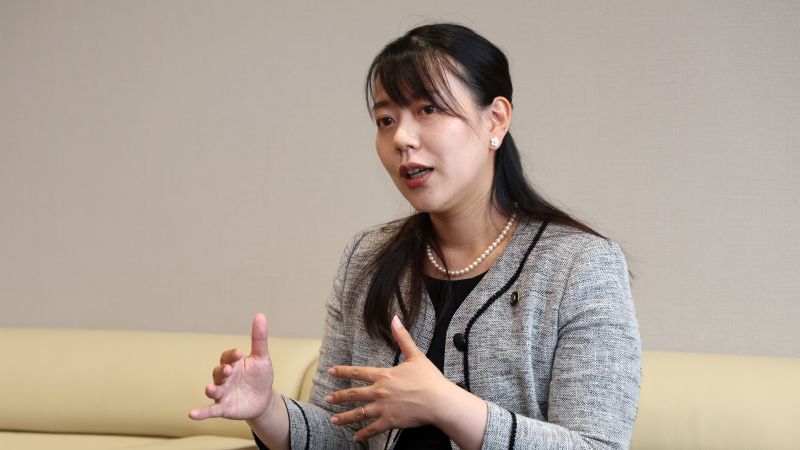
A Japanese mayor is making history – Shoko Kawata, the newly elected mayor of Yawata city in Kyoto Prefecture, is set to become the first incumbent mayor in Japan to take maternity leave, marking a significant shift in the nation’s traditionally male-dominated political landscape. The 35-year-old leader, who assumed office in 2023, announced her plan to step away from duties for 16 weeks, with eight weeks before and after the anticipated birth of her child in mid-September. This decision has not only made headlines but also ignited discussions about the evolving role of women in public service and the need for institutional support.
Kawata’s move highlights a growing divide between Japan’s formal labor policies and its political practices. While public employees are legally entitled to maternity leave, elected officials lack such guaranteed protections. Her absence will be managed by a deputy, ensuring continuity in governance for a city of nearly 70,000 residents. Despite the logistical arrangements, Kawata’s choice to prioritize motherhood over full-time political work has drawn mixed reactions, particularly on social media platforms where some critics argue that public figures should remain available to address community needs at all times.
A Pioneer in a Patriarchal System
Shoko Kawata’s career trajectory underscores her determination to challenge long-standing norms. As Japan’s youngest elected female mayor, she has become a symbol of progress in a country where women occupy less than 15% of parliamentary seats. Her announcement comes amid a broader societal push for gender equality, especially as the nation faces its tenth consecutive year of declining birth rates. The government has implemented various policies, including financial incentives for parents and efforts to encourage fathers to take paternity leave, but these measures have yet to fully address the systemic barriers women encounter.
“Through this, I hope to encourage not only workers, but also business owners and managers, all those involved in various types of work to embrace these life events, child-rearing and childbirth … while striking a proper balance with their work,” Kawata told CNN.
Kawata’s decision to take maternity leave has been framed as a catalyst for change by some, including sociology professor Sawako Shirahase of the University of Tokyo. Shirahase noted that Japan’s labor and political systems are rooted in “very old-fashioned assumptions” that often prioritize productivity over personal milestones. “The legal framework itself doesn’t assume that mayors or the head of the public office would take maternity leave,” she explained. “But at the same time, no one can prohibit (someone) from taking the leave … so it’s quite a gray zone.”
While Shirahase sees Kawata’s action as a step toward modernization, others argue that the mayor’s absence could be seen as a misallocation of public resources. Critics on social media have questioned whether taxpayers should fund a leader’s time off, especially when the city’s administration relies on her direct involvement. However, Kawata’s personal accounts suggest a more supportive environment. She shared that colleagues and citizens have been “incredibly understanding,” with many urging her to focus on her family without hesitation.
Breaking Barriers in Local Governance
The debate surrounding Kawata’s maternity leave also reflects a larger trend in Japanese local politics. Over the past five years, the number of female mayors has risen from approximately 50 to nearly 80, according to data from the Japan Center of Ludwig-Maximilians-Universität. This increase signals a gradual shift in the representation of women in governance, with more women vying for leadership roles and staying in office for multiple terms. Stefanie Schwarte, a researcher at the university, highlighted this progress, noting that female mayors who remain in their positions serve as role models for future generations.
Despite these advancements, Japan’s political culture remains heavily influenced by traditional gender roles. The country’s declining birth rate, which hit a record low of 671,236 births in 2025, has intensified calls for policies that support working parents. The government has responded with initiatives such as childcare subsidies and housing grants, but experts like Schwarte point to deeper cultural factors as the primary obstacle. “More women are breaking traditional norms in politics,” she said, emphasizing that Kawata’s example could inspire others to reevaluate their priorities.
Kawata’s maternity leave also resonates with Japan’s broader struggle to combat its overwork culture, which has been linked to the nation’s low birth rates. Many young professionals report working excessively long hours, often at the expense of personal and family life. The term “karoshi” — meaning “death by overwork” — has become a stark reminder of the physical toll this culture can take. With rising living costs and competitive job markets, women in particular face pressure to balance career ambitions with the demands of raising a family. Kawata’s decision to step back for a period may signal a turning point in how these challenges are addressed.
Her leadership style, which blends compassion with a commitment to policy, has been praised by those who see her as a bridge between traditional and progressive values. While some remain skeptical, her ability to maintain public trust even during her leave suggests that the narrative around women in politics is slowly shifting. Kawata’s deputy, appointed to cover her responsibilities, will be tasked with managing day-to-day operations, a role that may also highlight the need for more inclusive governance structures.
As Japan continues to navigate its demographic and cultural challenges, Kawata’s maternity leave serves as both a personal milestone and a political statement. Her actions challenge the notion that public service must come at the cost of family life, offering a glimpse into a future where work-life balance is the norm rather than the exception. Whether this moment will catalyze lasting change remains to be seen, but Kawata’s bold move has already sparked important conversations about the role of women in shaping Japan’s social and political future.
Towards a New Era of Leadership
Experts believe Kawata’s initiative could pave the way for a more flexible approach to leadership in Japan. “We can also see more and more female mayors who stay on for a second, third, fourth term,” Schwarte remarked, noting that these leaders are redefining what it means to serve a community. By embracing motherhood, Kawata is not only redefining her own career but also setting a precedent for others to follow. Her case underscores the importance of policies that recognize the dual demands of professional and personal life, particularly for women in high-profile positions.
The broader implications of her decision extend beyond Yawata city. As Japan’s first female prime minister was recently elected, the country is at a crossroads in its pursuit of gender equality. Kawata’s maternity leave adds to this momentum, demonstrating that women can hold power while also fulfilling family roles. Her journey reflects a growing movement to dismantle the barriers that have historically limited women’s participation in public affairs, offering hope that future leaders may prioritize both work and life in a more equitable manner.
In a society where long hours and rigid expectations have traditionally shaped career paths, Kawata’s choice to take a break for childbirth represents a meaningful departure from the past. While her decision may not immediately resolve Japan’s demographic crisis, it contributes to a cultural shift that could ultimately support more women in pursuing leadership roles. As the nation grapples with the need to adapt its systems to the realities of modern life, her example serves as a powerful reminder that progress is possible — one step at a time.
