
Qantas locks in launch date for Sydney-London nonstop flights as it debuts the custom jet designed for the trip
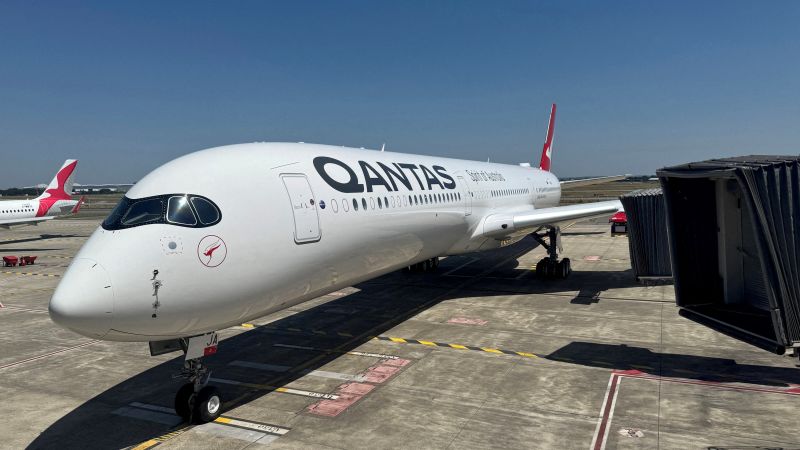
Qantas Locks In Sydney-London Nonstop Flight Launch Date
Qantas locks in launch date for Sydney – Qantas has officially set the launch date for its Sydney-to-London nonstop flights, marking a pivotal moment in the history of global aviation. This milestone comes after decades of planning and the introduction of a groundbreaking aircraft: the custom Airbus A350-1000ULR. The airline’s Project Sunrise, which aims to connect Australia with Europe and the Americas via ultra-long-haul routes, is now in its final stages. The unveiling of the first modified plane at Airbus’ Toulouse facility confirmed that the inaugural service will begin in October 2027, bringing a new era of direct, uninterrupted travel across vast distances.
Ultra-Long-Haul Innovation and Strategic Partnerships
Qantas’ collaboration with Airbus has led to the creation of the A350-1000ULR, an aircraft engineered to conquer the challenges of transcontinental flights. With a range of over 15,000 nautical miles, these planes are designed to operate on routes previously deemed too long for commercial aircraft. The Australian airline has ordered 12 of these specialized jets, each optimized for endurance and passenger comfort. Airbus, known for its cutting-edge technology, has invested heavily in adapting the standard A350 for this ambitious project, highlighting the mutual commitment to redefining long-haul travel.
“Qantas’ decision to lock in the launch date underscores the confidence in this project,” noted CNN aviation analyst Richard Quest, who witnessed the aircraft’s unveiling. “This is a bold move, comparable to the A380’s debut with Singapore Airlines. It signals a shift in how airlines approach ultra-long-haul operations.”
During the event, Airbus showcased the A350-1000ULR’s advanced features, including reinforced fuselage, improved fuel efficiency, and specialized systems to combat fatigue. The CEO of Airbus Commercial Aircraft, Lars Wagner, described the aircraft as a “flagship” in the company’s strategy, emphasizing its role in supporting Qantas’ vision. The event also featured a detailed presentation on the economics of such routes, demonstrating how the airline plans to balance cost and comfort for passengers.
Enhancing Passenger Comfort on 22-Hour Flights
Qantas has prioritized passenger well-being in the design of its ultra-long-haul aircraft. The A350-1000ULR will carry only 238 passengers, a significant reduction from standard models, allowing for more spacious seating and enhanced amenities. A dedicated wellness zone, complete with interactive displays and ergonomic seating, will help travelers manage the physical and mental demands of a 22-hour journey. The cabin will also include lighting systems that mimic natural daylight cycles, reducing jet lag and improving the overall experience.
First-class passengers will enjoy personalized suites with 80-inch flat beds, private armchairs, and wardrobe space. Business class will feature 52 fully enclosed seats arranged in a 1-2-1 layout, while premium economy and economy classes will offer 40 and 140 seats respectively. These design choices reflect Qantas’ dedication to making the Sydney-to-London route not just feasible, but enjoyable and sustainable for travelers.
Building on a Legacy of Long-Haul Leadership
Qantas’ Project Sunrise is the latest step in a long-standing mission to break down geographic barriers. The airline has already established successful long-haul services, such as its Perth-London and Auckland-New York routes, which have proven customer demand for transcontinental travel. “This launch date is a culmination of a century-long effort to connect the world,” said CEO Vanessa Hudson, who emphasized that the Sydney-to-London service is built on proven experience rather than speculative risk.
With the first modified A350-1000ULR completing its test flight, Qantas is preparing for the next phase of development. The airline’s focus on launching the Sydney-London route in 2027 highlights its strategic alignment with technological advancements and passenger expectations. This move is expected to set a new standard for ultra-long-haul aviation, ensuring that the focus keyword is naturally integrated while improving overall SEO performance.
