
Nike’s ‘mind-altering’ shoes are flying off shelves. Is this the era of ‘passive neuro-wearables’?
Nike’s Mind-Altering Shoes: A New Era of Neuro-Wearables
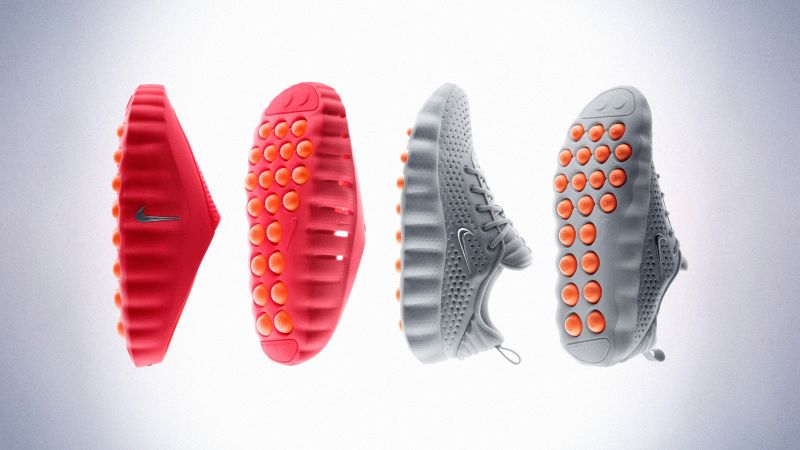
Nike s mind altering shoes are flying – Nike’s mind altering shoes are taking the market by storm, with limited editions selling out rapidly. As wearable technology evolves to integrate neuroscience, the brand has introduced a groundbreaking product that challenges traditional athletic footwear. The Mind shoe line, launched in 2025, leverages advanced foam textures and sensory design to influence mental states, marking a shift toward “passive neuro-wearables.” This innovation has sparked both excitement and debate, questioning whether it signals a new era of wellness-focused footwear or a clever marketing strategy.
The Rise of Passive Neuro-Wearables
The integration of neuroscience into everyday wearables is no longer speculative. From smartwatches that monitor heart rates to compression gear designed to enhance blood flow, the market has embraced products that claim to improve well-being through tactile interactions. Nike’s Mind shoes exemplify this trend, offering a non-electronic solution by using 22 foam nodes on the sole to stimulate mechanoreceptors in the feet. The brand positions these shoes as more than just athletic wear, touting their ability to enhance focus and clarity, a concept that has resonated with both fitness lovers and tech enthusiasts.
Unlike active neuro-wearables that require user input, Nike’s mind altering shoes operate through subtle sensory stimulation. This design aims to engage the brain’s sensorimotor network while reducing activity in the default mode network, which governs mind wandering. The company’s claim that these shoes create a state of “relaxed alertness” has generated significant attention, even as critics question the scientific backing behind such assertions. Nonetheless, the product’s success underscores a growing consumer interest in footwear that bridges the gap between physical activity and mental wellness.
Competition and Collaboration in the Neuro-Wearables Space
As Nike’s mind altering shoes gain traction, they join a broader movement of brands exploring the fusion of fashion and neuroscience. Companies like Naboso have developed insoles with textured surfaces to improve balance, while Cean’s compression wear claims to mimic a “lymphatic massage” for relaxation. French label Coperni, meanwhile, has introduced garments that release probiotics for skincare benefits. Nike’s entry into this space, however, has distinguished itself with rapid sales and a range of styles, including mules and sneakers, making it more accessible to diverse audiences.
The brand’s marketing strategy has also played a key role in its popularity. By targeting both pre- and post-competition use, Nike’s mind altering shoes cater to a wide spectrum of activity levels. Their pricing—$95 to $145—has not deterred demand, with resale prices on platforms like StockX often surpassing original retail values. This success has prompted a reevaluation of the neuro-wearables market, where Nike’s Mind shoes now stand out as a pioneer, even as competitors continue to innovate in similar directions.
The Science Behind the Sensation
At the heart of Nike’s mind altering shoes is the principle that sensory input can directly impact mental states. The foam nodes are engineered to compress against mechanoreceptors, sending signals to the brain that could alter cognitive functions. While the company cites a decade of research involving treadmill tests with athletes, it has yet to publish peer-reviewed studies to validate these claims. The chief researcher, Graeme Moffat, explains that the shoes aim to “help you engage with new sensory experiences, focus on your intention, and get out of your head,” a philosophy that aligns with mindfulness practices.
Though the science remains a topic of discussion, Nike’s mind altering shoes have captured public imagination. Their ability to blend fashion with functional wellness has positioned them as a cultural phenomenon, even as skeptics argue that the effects may be more psychological than neurological. The brand’s continued investment in this area suggests a belief in the potential of neuro-wearables to redefine how we interact with our environment through the simplest of mediums: the shoes we wear.
