
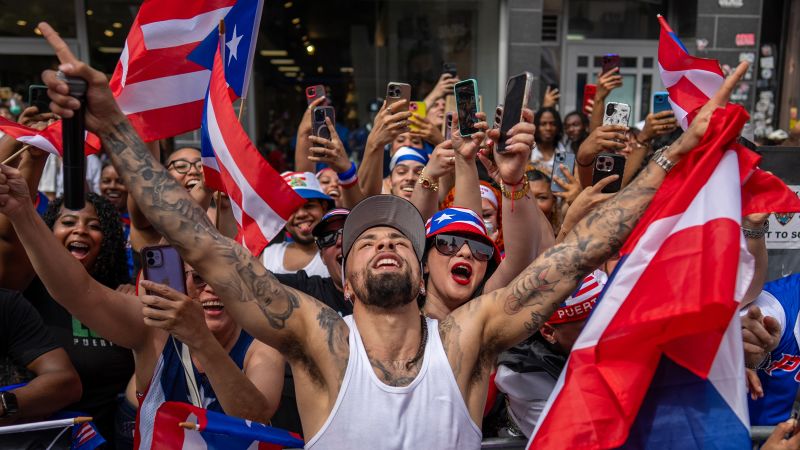
America partied hard this weekend. In Brooklyn, Puerto Rican joy was out in full force
A Weekend of National Celebrations: From Brooklyn’s Puerto Rican Parade to the White House’s Spectacular Displays
America partied hard this weekend In Brooklyn – As the sun dipped below the skyline in New York City, a vibrant tapestry of culture and tradition unfolded across the borough of Brooklyn. For a mile of Bushwick’s streets, the air buzzed with the energy of the Puerto Rican Day Parade, a celebration that transcended mere festivity to become a cultural phenomenon. The scene was alive with color, as the iconic red, white, and blue hues painted the pavement, while the rhythm of music echoed through the crowd. From the corner of a bustling avenue, the unmistakable beats of reggaeton and salsa filled the space, drawing in attendees from every corner of the city and beyond.
Street vendors added to the atmosphere, offering refreshing piragua snow cones and ice cream flavors that blended the island’s tropical essence with urban convenience. The scent of sweet coconut and juicy watermelon mingled with the sounds of laughter and chatter, creating an ambiance that felt both nostalgic and contemporary. Elders lounged in personal lawn chairs, sipping drinks and soaking in the warmth of the event, which featured unexpected appearances from local figures like Mayor Zohran Mamdani and Knicks player Jose Alvarado. Despite the sweltering heat, the crowd’s pride was palpable, a testament to the enduring significance of the parade in Puerto Rican communities.
The weekend’s festivities were a microcosm of America’s diverse cultural expressions. While the streets of Brooklyn brimmed with the energy of the Puerto Rican Day Parade, 200 miles south in Washington, D.C., the White House lawn became a different kind of stage. There, UFC fighters engaged in high-octane bouts, a spectacle that mirrored the exuberance of the Brooklyn event but with a distinct focus on masculinity and national identity. These official semiquincentennial events, coinciding with President Donald Trump’s 80th birthday, showcased the nation’s ability to merge tradition with modern flair, even as the world watched.
Meanwhile, the United States made its mark on the global stage, co-hosting the World Cup with a commanding 4-1 victory over Paraguay on Friday. The win was a source of national pride, drawing comparisons to the triumphs celebrated in Brooklyn’s streets. The intersection of these two events—local cultural pride and international sporting success—highlighted a weekend defined by celebration, whether through music, fashion, or athletic prowess.
The Evolution of the Puerto Rican Day Parade: A Historical Perspective
Established in 1958, the Puerto Rican Day Parade has grown from a modest gathering in Spanish Harlem to a city-wide event that draws millions. Its roots lie in the early 20th century, when Puerto Rican immigrants sought to preserve their heritage in a new land. Over time, the parade’s route expanded, with its second year marking a shift to Midtown’s Fifth Avenue, a decision that brought it to the heart of New York’s cultural landscape. Today, the parade serves as a unifying force, weaving together the stories of those who call the city home and those who remain connected to the island’s traditions.
Yet, the celebration isn’t confined to one location. Across the city, from the Lower East Side to Sunset Park, Puerto Rican communities have embraced the occasion with their own unique flair. Each neighborhood contributes to the mosaic of the weekend, with dance parties, festivals, and community activities reflecting the diversity of experiences within the diaspora. The parade’s adaptability ensures it remains relevant, evolving with the times while holding onto its core identity.
Fashion as a Cultural Statement: The Rise of Nuyorican Style
Monica Santos Gil, founder of Santos by Monica, a handbag brand rooted in New York, described the parade as a bridge between cultures. “There are more Puerto Ricans in the US than on the island,” she noted. “Now that I’ve lived here for 13 years, I feel a deep connection to the homeland.” This sentiment underscores the role of the parade in fostering a shared cultural identity among Nuyoricans, even as their expression of it differs from that of their counterparts in Puerto Rico.
Edwin Reyes, a Bronx-based fashion designer, echoed this idea, emphasizing the blend of Puerto Rican heritage and New York’s urban energy. “My version of the diaspora is shaped by both cultures,” he said. “The parade is a moment where those influences collide—creating a sense of belonging that’s uniquely American.” This fusion is evident in the fashion choices of attendees, who donned vintage graphic tees, cornflower-blue basketball shorts, and special-edition Nike sneakers, each item a nod to the island’s legacy and the city’s creativity.
Iconic symbols of Puerto Rican culture, such as the flag and traditional motifs, have become staples of Nuyorican fashion. The parade’s annual celebration has inspired a broader movement, where these elements are reimagined in unexpected ways. From earrings to crop tops to headbands, the island’s imagery is everywhere, a visual language that speaks to pride and identity. For Reyes, the brand’s annual designs—like the 2025 collection featuring ruffled organza maxi dresses in red, white, and blue—serve as a celebration of this duality, blending island heritage with metropolitan innovation.
Urban Energy and Cultural Roots: A Contrast in Celebrations
While the Manhattan parade draws families and tourists, the Bushwick event has a different vibe. Younger attendees, often more raucous, filled the streets with their own energy, dancing and singing to the beat of reggaeton and salsa. The mix of generations added depth to the celebration, with elders sharing stories and younger participants embracing the festivities with fresh enthusiasm. This dynamic reflects the evolving nature of the diaspora, where tradition meets modernity in unexpected ways.
Monica Santos Gil highlighted the differences in how Puerto Rican culture is expressed in the city versus on the island. “In the US, people wear their pride boldly—flags on clothes, cars, and even accessories,” she said. “It’s a reflection of that longing to stay connected to the homeland.” In contrast, the island’s culture feels more laid-back, with lighter fabrics and a harmony with nature. The Bushwick parade, however, thrives on the city’s energy, creating a bold, urban aesthetic that’s distinct yet deeply rooted in tradition.
A Legacy of Unity and Expression
As the weekend drew to a close, the Puerto Rican Day Parade left an indelible mark on New York City. It wasn’t just a celebration of heritage but a reaffirmation of identity, resilience, and community. The event’s ability to adapt while preserving its essence ensures its place in the city’s cultural fabric for years to come. Whether through music, fashion, or the presence of local leaders, the parade embodies the spirit of a diaspora that continues to thrive and evolve.
For many, the parade is more than a spectacle—it’s a reminder of shared roots and collective strength. As Monica Santos Gil and Edwin Reyes emphasized, it’s a space where Puerto Rican pride and New York’s vibrancy converge. This weekend’s celebrations, like the ones that followed the Knicks’ victory, underscored the power of cultural expression to unite and inspire, even in the face of a changing world.
