
Somali referee denied entry to US for 2026 World Cup over ‘vetting concerns’
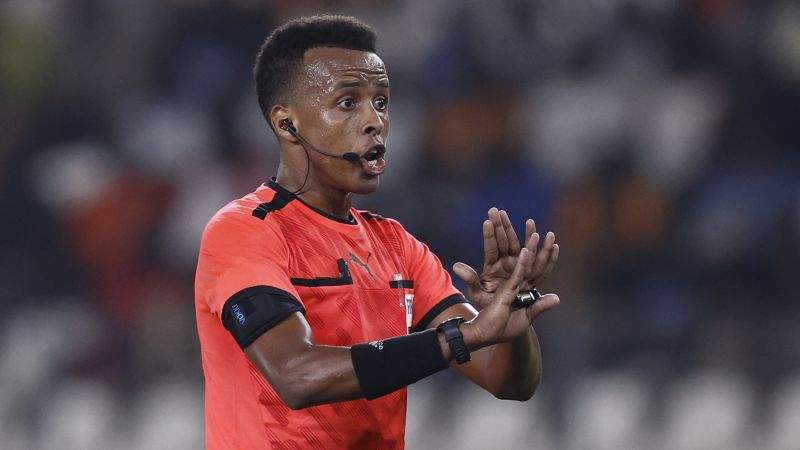
Somali Referee Omar Abdulkadir Artan Denied Entry to US for 2026 World Cup
Somali referee denied entry to US – FIFA has confirmed that Somali referee Omar Abdulkadir Artan will not participate in the 2026 World Cup, which is set to take place in North America. Artan, who had been selected to officiate matches during the tournament, was denied entry into the United States upon arrival in Miami, according to officials from the U.S. Customs and Border Protection (CBP). The decision followed a routine inspection process, which the CBP described as a standard procedure for verifying information or determining eligibility when necessary.
Additional Scrutiny Under Trump’s Travel Ban
When CNN inquired about Artan’s case, a CBP spokesperson stated that the traveler underwent further checks after landing in Miami from Istanbul. “During processing, the traveler underwent additional inspection, a routine part of CBP’s inspection process when officers need to verify information or determine admissibility,” the spokesperson explained. The official added that Artan was found inadmissible due to “vetting concerns,” though no specific reasons were disclosed. This marks the second instance this year where a referee from a country under the Trump administration’s travel restrictions has faced similar obstacles.
Somalia is one of 39 nations included in the travel ban implemented during the Trump era. The policy, which targets individuals from certain countries suspected of supporting terrorism, has led to heightened scrutiny for visitors from these regions. CBP representatives emphasized that the additional inspection is not an unusual step but rather a standard precautionary measure. While Artan’s case was not immediately clarified, the spokesperson noted that nationals from the listed countries are routinely subjected to extra checks during the visa process.
FIFA’s Role and Host Nation Authority
A FIFA representative later clarified that the organization does not directly handle immigration matters, including visa approvals. “FIFA is not involved in host country immigration processes, including visa adjudications, and has been informed by authorities that Mr. Artan’s status will not be changed at present,” the spokesperson said in a statement. This underscores the fact that the U.S. government retains final authority over who is allowed to enter the country, even for international participants in major events like the World Cup.
Artan’s exclusion from the tournament comes as a setback for the event, which is expected to draw thousands of athletes and officials from around the globe. His selection as Africa’s top male referee in 2025 had been a significant achievement, and his inclusion in the 2026 World Cup was seen as a milestone for Somali representation in global football. The Confederation of African Football had recommended him for the assignment, highlighting his qualifications and experience. However, the U.S. immigration process appears to have intervened, raising questions about the impact of the travel ban on international sports events.
Iran’s Similar Challenges
The situation with Artan mirrors that of other nations, particularly Iran, which has also encountered hurdles in securing entry for its team and officials. On Sunday, Mehdi Taj, the president of Iran’s football federation, confirmed that the Iranian soccer team had been granted permission to enter the United States for the tournament. However, the timing of the approval—just one day before the matches began—sparked criticism, with Iranian media suggesting the last-minute decision was a sign of unequal treatment. “Only one day before the match,” the semi-official report stated, as it detailed the abrupt nature of the clearance for the team.
Amir Ghalenoei, Iran’s head coach, further highlighted the broader implications of the U.S. immigration policies. He noted that several members of the management staff, media personnel, and even an executive director were still awaiting entry permits. “The team is now in the country, but other individuals associated with the event remain uncertain about their status,” Ghalenoei said in a statement. This situation has drawn attention to the potential disruptions caused by the travel restrictions, particularly for events that rely heavily on international collaboration.
Global Implications for the 2026 World Cup
The 2026 World Cup, which will be held in the United States, Canada, and Mexico, is poised to be one of the most diverse in history. However, the entry issues faced by Artan and other officials from affected countries could cast a shadow over the event’s inclusivity. Critics argue that the policies may be hindering the smooth operation of the tournament by creating logistical challenges for referees and staff from countries like Somalia and Iran.
While the CBP has maintained that the process is fair and consistent, the timing of Artan’s denial has raised concerns about the efficiency of the vetting system. For example, the Somali referee was only denied entry hours before his arrival, which could have disrupted his plans to officiate games. This has led to calls for a more streamlined approach to handling international sports participants, especially as the tournament approaches. “The U.S. government is responsible for ensuring the security of the event,” a FIFA representative reiterated, “but the process should allow for adequate time to review all necessary details.”
Artan’s case is not unique; it reflects a pattern seen in other international sporting events where participants from countries on the travel ban have faced delays or denials. The U.S. immigration policies, which have been a focal point of debate since their implementation, now extend their influence to the realm of sports. As the World Cup kicks off in just three days, the question remains: will these restrictions affect the quality and fairness of the competition? While FIFA has expressed confidence in the host nation’s ability to manage the process, the situation highlights the broader tension between security measures and global participation in international events.
Despite the setbacks, the tournament’s organizers have worked to ensure that the necessary personnel are in place. However, the challenges faced by Artan and his Iranian counterparts serve as reminders of the obstacles that can arise when political considerations intersect with sports diplomacy. As the world watches the games unfold, the story of these officials’ struggles adds a layer of complexity to the celebration of football’s unifying power.
Looking Ahead
The 2026 World Cup, set to begin on July 19, will be a defining moment for the sport and the nations involved. For Artan, the denial of entry means the end of a career milestone that he had worked hard to achieve. The CBP’s decision, while based on vetting concerns, may have created a ripple effect for other referees and officials from similar countries. As the tournament progresses, the hope is that the U.S. government will continue to balance security with the need to welcome participants from across the globe.
Meanwhile, the Iranian team’s recent entry has been a source of relief for the federation, though the last-minute approval has left lingering questions about the fairness of the process. “We are grateful for the opportunity to compete, but the uncertainty surrounding our team’s full participation is a concern,” Taj said in a statement. The situation in the U.S. highlights the challenges of hosting a global event under current immigration policies and serves as a case study for how such restrictions can impact international sports collaboration.
As the world prepares for the opening match of the 2026 World Cup, the stories of Artan and the Iranian officials underscore the importance of a flexible and transparent immigration process for sporting events. The tournament’s success depends not only on the quality of play but also on the seamless integration of participants from diverse backgrounds. While the CBP and FIFA have affirmed their roles in the process, the broader implications of these decisions will be felt long after the final whistle blows.
