
How Spain’s bad habits were exposed in shocking result against Cape Verde – and why it’s a warning sign
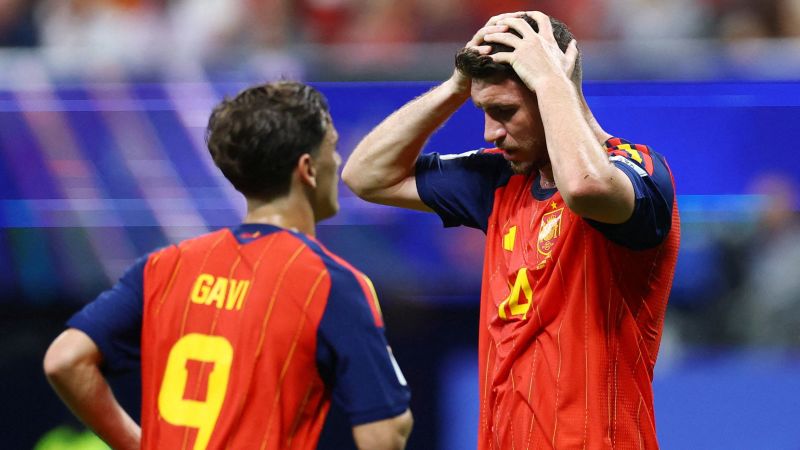
Spain’s Bad Habits Exposed in Draw with Cape Verde: A Warning for World Cup Ambitions
How Spain s bad habits were – How Spain’s bad habits were revealed in their 0-0 draw against Cape Verde, marking a pivotal moment in their World Cup campaign. The match, held at Mercedes-Benz Stadium, exposed cracks in the Spanish team’s otherwise dominant reputation. Despite their reputation for consistency, the result highlighted recurring issues that could threaten their pursuit of a second title. This performance, though not a complete disaster, raises concerns about Spain’s ability to adapt and maintain momentum under pressure, with their bad habits becoming a focal point of analysis.
The underdog Cape Verde team stole the spotlight with their resilient display, leaving Spain’s fans and analysts questioning their approach. While the draw was a surprise, it also underscored the Spanish squad’s reliance on specific players and tactical predictability. Key talents like Lamine Yamal and Nico Williams, sidelined by injuries, left gaps in the team’s attacking flow. Spain’s bad habits, such as overreliance on individual brilliance and slow transitions, were evident as they struggled to dominate the game. Yet, the result still leaves room for optimism if the team can address these weaknesses in upcoming matches.
Spain’s Tactical Vulnerabilities and Player Absences
Spain’s bad habits were further amplified by their tactical choices and player shortages. Coach Luis de la Fuente’s decision to deploy Ferrán Torres and Gavi in unfamiliar roles proved challenging. Torres, typically a central striker, was forced into a right-wing position, leading to hesitant decisions and missed chances. Gavi, returning from a meniscus tear, also faced difficulties as he shifted to the left flank, where his lack of explosive acceleration hindered Spain’s attacking momentum. These adjustments exposed the team’s limited depth and adaptability, exacerbating their bad habits during critical moments of the game.
Opta Stats pointed to a concerning lack of creativity from Spain’s starting forward, Mikel Oyarzabal, who touched the ball just once in the first 30 minutes. This data underscores the team’s bad habits in maintaining urgency and dynamic play. The midfield, a cornerstone of their Euro 2024 success, also faltered. Rodri and Fabián Ruiz, known for their composure, appeared sluggish, failing to generate the pressure needed to break through Cape Verde’s defense. Spain’s bad habits in controlling the tempo of the match left their attack disjointed, with playmakers struggling to connect with teammates.
“Spain’s bad habits were on full display against Cape Verde,” remarked one analyst. “This draw is more than a setback—it’s a symptom of deeper issues in their strategy and execution.”
The match against Cape Verde served as a microcosm of Spain’s current challenges. Their bad habits, such as overconfidence in possession and hesitancy in attack, were glaring. While the team’s technical quality remains high, the lack of urgency and creativity in critical moments suggests a need for improvement. Fans and critics alike are now scrutinizing whether Spain’s bad habits stem from complacency or a lack of preparation for the World Cup’s demands. The result has become a focal point for discussions about their potential to secure a title.
Historical Context: Spain’s Resilience in Adversity
Spain’s history shows they can overcome early setbacks. In the 2010 World Cup, they lost their opening match to Switzerland but went on to win the tournament. Similarly, their 2022 campaign included a surprise loss to Morocco, yet they still reached the final. These examples suggest Spain’s bad habits may not be insurmountable. However, the draw with Cape Verde feels different—a clear sign of a team struggling to adapt. The lack of decisive play and tactical flexibility raises questions about whether this is a one-time error or a pattern threatening their World Cup ambitions.
Spain’s bad habits, particularly in high-stakes matches, have become a recurring theme. Their reliance on star players like Yamal and Williams, combined with a midfield that failed to match their Euro 2024 form, highlights a troubling trend. While the team has the talent to compete, their consistency under pressure is now under the microscope. The Cape Verde result, though not a complete collapse, signals that Spain must refine their approach if they hope to maintain their status as a top contender. This is a critical test for their World Cup journey.
