
A judge ruled Brendan Sorsby can play for Texas Tech after gambling on his own teams. It’s the latest college sports stunner
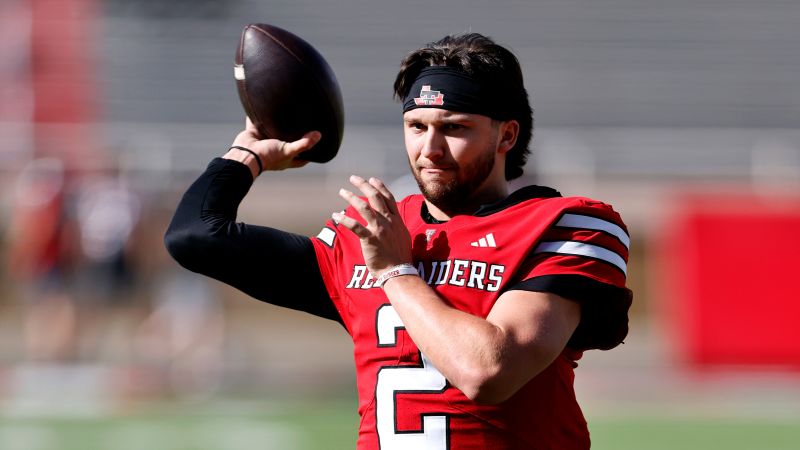
Judge Rules in Brendan Sorsby’s Favor After Gambling on His Own Teams
A judge ruled Brendan Sorsby can play – In a surprising turn of events, a judge has ruled that Brendan Sorsby can return to play for Texas Tech, despite his history of wagering on his own teams. This decision has sparked fresh debate about the NCAA’s strict gambling policies and the balance between accountability and flexibility in college sports. The ruling comes as part of a broader pattern where athletes accused of betting on their own games have found ways to remain on the field, raising questions about how the NCAA enforces its rules in practice.
A Controversial Decision for the QB
The temporary injunction granted to Sorsby was based on arguments that his suspension would have caused significant harm to Texas Tech’s football program. Judge Ken Curry, based in Lubbock, highlighted the immediate impact of his absence, particularly during the 2026 season. Sorsby, who had been ineligible under NCAA rules for betting over $90,000 on sports, including multiple wagers on the Indiana Hoosiers while with his previous teams, now faces the challenge of proving his eligibility while managing a gambling addiction.
“The NCAA’s rules are clear, but the consequences of enforcing them strictly can be severe,” said Judge Curry. “Brendan Sorsby’s situation demonstrates the need for exceptions in cases where athletes show genuine effort to rectify their mistakes.”
Sorsby admitted to placing bets on his own teams and opposing players to create favorable odds for games against the Hoosiers. His actions, while not directly altering game outcomes, highlighted a growing trend of athletes wagering on competitions they are involved in. The NCAA’s stance on this behavior remains firm, yet Sorsby’s case illustrates how rule violations can be mitigated through legal arguments and personal circumstances.
The NCAA’s Rulebook and Legal Challenges
The NCAA’s current regulations prohibit athletes from wagering on games they participate in, a rule that has been tested in recent months. Sorsby’s attorneys argued that his gambling addiction, rather than deliberate cheating, justified a temporary reprieve. They emphasized that his actions were driven by a mental health issue, not a malicious intent to manipulate outcomes. This defense aligns with broader calls for the NCAA to adopt a more nuanced approach to discipline, particularly for athletes in financial distress.
Meanwhile, critics of the NCAA’s policies point to inconsistencies in how they apply rules. While Sorsby’s case is a notable example, it follows a wave of suspensions and bans in college basketball, where over two dozen athletes have faced lifetime ineligibility for game-fixing. The disparity in enforcement between football and basketball underscores the challenges of maintaining uniformity in sports integrity standards across different disciplines.
Broader Implications for College Athletes
The ruling has reignited discussions about the NCAA’s role in shaping athlete behavior. For years, the organization has framed gambling as a threat to the integrity of college sports, yet its leniency in Sorsby’s case suggests a shift toward prioritizing athletic performance over strict adherence to rules. This trend raises concerns about whether the NCAA is inadvertently enabling a culture where gambling becomes a tool for financial survival, especially for players with limited earning potential.
As the college sports landscape evolves, Sorsby’s case serves as a pivotal moment. His ability to return to the field, despite violating NCAA guidelines, highlights the system’s adaptability and the ongoing tension between regulation and real-world challenges. The judge’s decision may set a precedent, allowing other athletes with similar circumstances to seek similar exemptions, further complicating the NCAA’s efforts to maintain a clean sports environment.
