
US signs deal with Saudi Arabia that could allow kingdom to enrich nuclear fuel
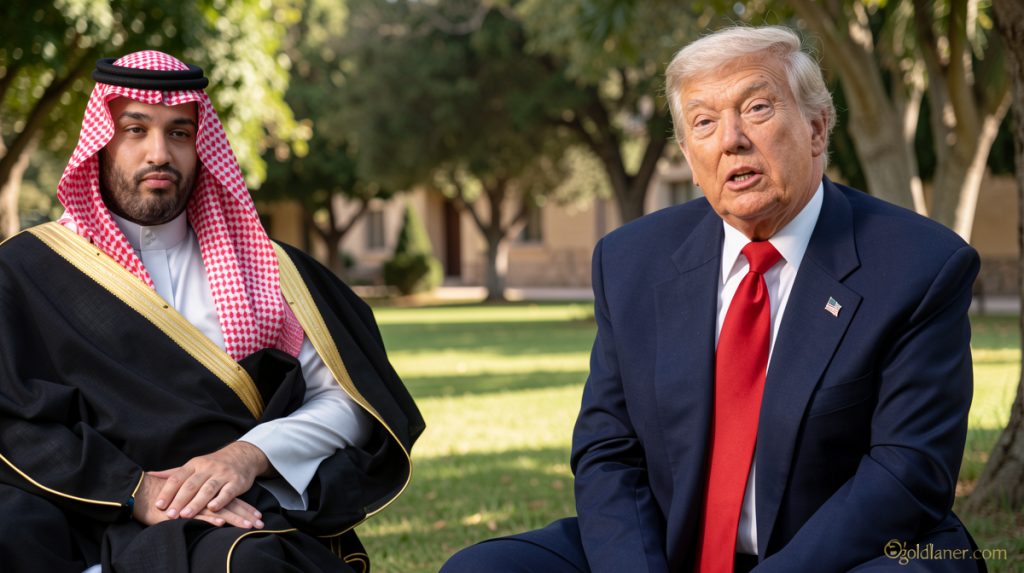
US Signs Deal with Saudi Arabia on Nuclear Fuel Enrichment
Goldlaner.com – President Donald Trump has approved a landmark nuclear agreement with Saudi Arabia, marking a significant shift in Middle East energy policy. Under this arrangement, the kingdom could enrich its own nuclear fuel for civilian reactors without adopting the “gold standard” of international oversight. Two US officials and a source familiar with the matter confirmed the details. The Department of Energy announced the signature on Wednesday afternoon, with the agreement now heading to Congress for a mandatory review period.
Key Terms and Regional Implications
The 123 agreement will span 30 years, according to one US official, who noted that American companies will provide technology and expertise to develop Saudi Arabia’s nuclear program. Any deal granting Riyadh access to nuclear technology could spark controversy both domestically and across the wider Middle East. The ability to enrich nuclear fuel could, in theory, eventually lead to nuclear weapons production. Energy Secretary Chris Wright emphasized in a statement that “the agreements uphold the highest standards of nuclear safety and nonproliferation.” CNN previously reported that the administration delayed the deal for months due to concerns about the Iran war and potential congressional disapproval.
Before uranium enrichment begins, a joint US-Saudi team will assess whether the program is commercially viable. Americans will construct the facility without transferring sensitive technology to Saudi Arabia. The deal bars Riyadh from developing or purchasing enrichment technology from other nations for a decade, according to the Wall Street Journal, which first reported the approval. The agreement also includes limits on inspections of the Saudi program, which may draw skepticism from lawmakers.
“The agreements uphold the highest standards of nuclear safety and nonproliferation.” — Energy Secretary Chris Wright
Notably, Saudi Arabia is not required to sign the Additional Protocol with the International Atomic Energy Agency, unlike the United Arab Emirates in 2009 when it signed a “gold standard” nuclear cooperation deal with the US. The Saudis had long resisted the protocol over concerns that inspectors could theoretically enter Mecca or royal palaces. Instead, the deal includes a bilateral safeguards agreement resembling the model protocol but lacking the contentious portions, a US official told CNN.
The IAEA Board of Governors must ratify the terms. Proponents argue the deal will offer a lucrative commercial outlet for America’s resurgent nuclear industry while potentially excluding rivals such as Russia and China. The Energy Department announcement described the agreements as the beginning of “a decades-long, multi-billion-dollar partnership,” adding that the accord will “create high-paying US jobs and long-term economic growth.” A spokesperson for Saudi Arabia’s embassy in Washington confirmed the agreement, stating it “reflects the shared vision of both countries to expand cooperation in energy and future technologies.” Dan Joyner, a nuclear regulatory consultant and law professor at the University of Alabama, told CNN the agreement will open the door for “American and allied companies” to sell “reactors, components, fuel services, training, and technical assistance” with government export approval.
The deal could strategically benefit the US, Joyner argued, if it locks the Saudis into using US technology and provides Washington “continuing influence over its safety, security, and nonproliferation practices.” If the agreement falls through, he said, “Saudi Arabia could turn to Russia or China, giving those countries long-term influence over critical Saudi infrastructure.” Other regional countries are likely to monitor the deal closely. Israel, widely believed to have undeclared nuclear weapons, has long been wary of Saudi Arabia accessing nuclear technology. Iran, Saudi Arabia’s main regional rival, has a stockpile of enriched uranium and has vowed to maintain its nuclear program even after months of US bombardment, claiming the program serves civilian purposes.
Saudi Crown Prince Mohammed bin Salman has pledged to seek a nuclear weapon if Iran produces one. Uranium enrichment and plutonium reprocessing are the two main pathways to create the core materials necessary for nuclear weapons. Most countries with civilian nuclear reactors that require enriched uranium don’t produce it domestically — they purchase the material from vendors like the US or Russia and receive it in sealed shipments under strict international supervision.
The US has been pursuing a Saudi civilian nuclear agreement for years. Under the Biden administration, such an arrangement was viewed as part of a broader normalization pact between Saudi Arabia and Israel, though progress stalled amid regional tensions and domestic political considerations.
