
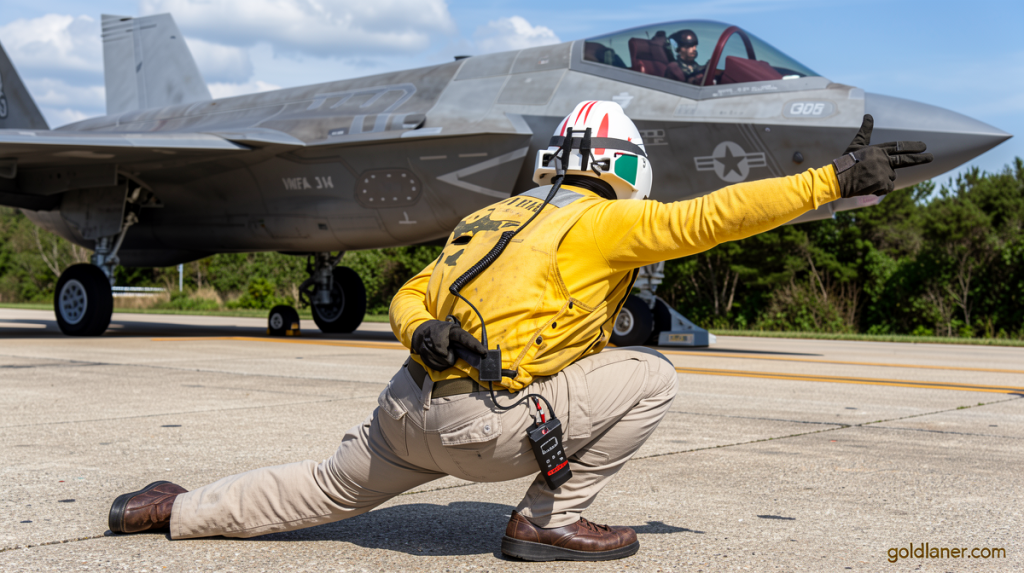
Carrier Sailors Face Mounting Pressure as Extended Deployments Test Limits
Goldlaner.com – The USS Abraham Lincoln has become the latest symbol of a growing challenge within the United States Navy: increasingly lengthy deployments that are pushing both vessels and their crews beyond traditional boundaries. Currently operating for more than half a year without returning to port, the aircraft carrier’s personnel are grappling with declining morale and mounting mental health pressures. This extended mission could potentially establish a new benchmark for the longest continuous deployment away from home waters for an American carrier since the conclusion of the Vietnam War era.
Breaking New Ground in Carrier Operations
The Lincoln’s current stretch follows closely on the heels of another historic achievement. Just several months prior, the USS Gerald R. Ford completed an extraordinary 326-day deployment that encompassed significant military operations targeting both Iran and Venezuela. That voyage set a new standard for sustained carrier presence in distant waters.
What makes the Lincoln’s situation particularly noteworthy is that it represents more than an isolated incident. A comprehensive examination of deployment announcements and fleet tracking data reveals a consistent pattern emerging across the Navy’s carrier fleet. Command leadership is progressively requesting that carrier strike groups remain operational beyond the service’s established recommendation of seven months. This shift from standard practice to extended operations is not merely a temporary adjustment but appears to reflect a fundamental change in how the Navy plans its global presence.
Morale Under Strain
Within the Lincoln’s crew quarters, the atmosphere has grown increasingly tense. One sailor described the overall mood aboard the vessel as exceptionally low, noting that conversations about suicidal thoughts among fellow crew members have become frequent enough to be considered routine. The psychological toll extends beyond individual incidents to affect the collective spirit of the ship’s complement.
Daily life aboard the carrier has also deteriorated in ways that compound the mental strain. Essential facilities that sailors depend upon for basic comfort have experienced repeated failures. Toilets and water fountains throughout the ship have been frequently taken offline for repairs, while hot water has become an unreliable commodity. These seemingly minor inconveniences accumulate over months of continuous operation, creating a cumulative effect on crew wellbeing.
Everyday we wake up and listen to our Captain speak, we are desperately hoping and anxious for updates on our return.
The absence of regular port visits has removed a critical mechanism for maintaining sailor morale. Traditional deployments allow vessels to dock at friendly harbors where crews can rest, resupply, and reconnect with family members. The Lincoln’s combat operations have prevented these essential stops, leaving sailors confined to the ship’s limited amenities for extended periods.
Logistical Challenges Mount
Supply management has emerged as another significant concern. Sailors and their families have reported intermittent shortages of food and declining stocks of hygiene products. The ship’s store, once a reliable source for essential items, now imposes purchase limits and maintains limited inventory of basic necessities.
You used to be able to go to the ship store and get as many items as you want, with every hygiene product consistently available. Now there are limits on purchases and hardly any hygiene products are readily available.
Water system malfunctions have added another layer of difficulty to daily operations, affecting everything from personal hygiene to meal preparation. These logistical challenges, while manageable individually, create a compounding effect when they occur simultaneously over months of continuous deployment.
Expert Analysis and Family Impact
Kate Kuzminski, a defense analyst at the Center for a New American Security, has emphasized the need for the Navy to recalibrate its deployment framework to align with practical realities. She highlighted the particular difficulty faced by families who have recently relocated for assignments tied to extended deployments.
What does it do to a family who’s newly assigned to the Ford? It could drive people’s or families’ decisions to get out of the Navy.
The retention implications extend beyond immediate personnel satisfaction. When sailors and their families face prolonged separation and deteriorating conditions, the decision to remain in naval service becomes increasingly complex. Career progression, housing stability, and family wellbeing all factor into whether experienced personnel choose to continue their service or seek opportunities elsewhere.
Tragic Incidents and Official Response
The human cost of extended deployments has become more visible in recent months. Two sailors assigned to the Lincoln strike group have jumped overboard, both surviving their attempts. Additional incidents involving sailors attempting to leave the vessel have been reported but prevented by crew members. These events have drawn attention to the psychological pressures building aboard the carrier.
The Navy has maintained that it has not detected a statistical increase in suicidal ideation or attempts specifically aboard the Lincoln. Officials emphasized that religious, medical, and mental health professionals remain available to address concerns as they emerge. A United States representative further clarified that the service does not perceive a direct correlation between deployment duration and self-harm thoughts, noting that man-overboard incidents occur across all fleet assignments.
Political Reactions and Future Outlook
President Donald Trump addressed questions about the Lincoln’s deployment length, stating that the vessel had not been away “not nearly long enough.” This comment drew criticism from a service member’s wife, who suggested the president speaks without full consideration of the situation on the ground.
Take some accountability for what’s going on with your military, your ships, in your war. In your war. It’s infuriating.
Data reviewed by CNN indicates that the median length of deployments for United States-based aircraft carriers has shown a steady upward trajectory since 2020. Admiral Daryl Caudle has outlined the Navy’s intention to maintain predictable three-year cycles for sailors, incorporating seven-month or 210-day deployment periods. However, between 2018 and 2022, the majority of deployments remained within or slightly above these target parameters, suggesting that the current extended operations represent a departure from established norms rather than a continuation of gradual trends.
As the Lincoln continues its mission, the broader question remains whether the Navy’s operational model can sustain these extended deployments without compromising personnel retention, ship readiness, and the wellbeing of those serving aboard these floating cities of steel and determination.
Related Reading
Frequently Asked Questions
What is Sailors on carriers like the USS Abraham?
Sailors on carriers like the USS Abraham is the main topic of this guide. The article explains the context, practical details, and next steps readers should understand.
Why does Sailors on carriers like the USS Abraham matter?
Sailors on carriers like the USS Abraham matters because readers are looking for a useful answer, not just a short summary. Good content should match search intent and help them decide what to do next.