
Police officers who defended US Capitol on January 6 sue to stop Trump’s ‘anti-weaponization’ fund
Police Officers Who Defended US Capitol Sue Trump’s ‘Anti-Weaponization’ Fund
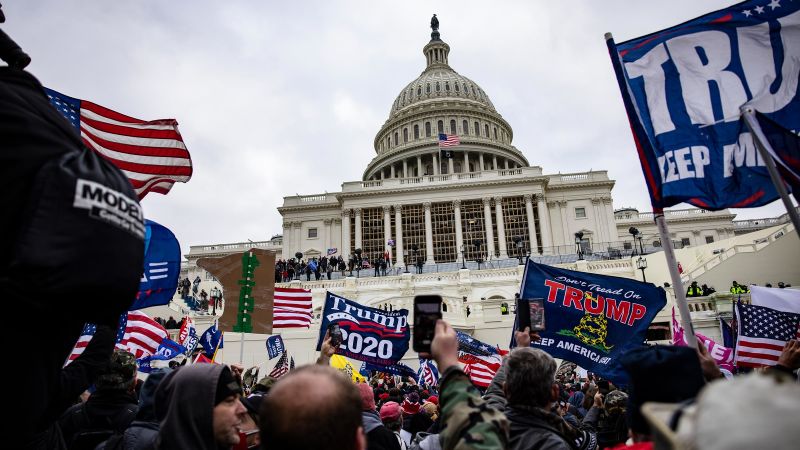
Police officers who defended US Capitol – On Wednesday, a group of law enforcement officers who stood guard at the U.S. Capitol during the January 6, 2021, riot launched a legal effort to block the Trump administration’s proposed $1.8 billion initiative. The lawsuit, filed in federal court, aims to halt the fund that pays compensation to allies of former President Donald Trump for actions taken during the Capitol attack. These officers argue that the measure violates the Constitution by financially rewarding those responsible for violence against public servants and threatens the principle of accountability. The legal battle is led by Harry Dunn, a former US Capitol Police officer, and Daniel Hodges, a current Washington, DC, Metropolitan Police Department member, who claim the fund was created to support individuals who endangered the Capitol’s security.
Constitutional and Legal Arguments
The plaintiffs in the case contend that the ‘Anti-Weaponization Fund’ undermines the 14th Amendment’s protection against compensation for insurrection-related debts. Their 29-page filing asserts that allocating taxpayer money to subsidize the January 6 rioters could legitimize paramilitary groups and encourage future violence. “If this fund moves forward, it will grant financial legitimacy to those who attacked the Capitol and risk normalizing their actions,” the legal team argued. They further warned that the initiative might deter justice by offering rewards instead of consequences for violent acts against law enforcement.
“Why not this issue of being convicted for attacking officers?” Democratic Senator Jeff Merkley questioned during a Senate hearing. Blanche, the acting Attorney General, responded, “My feelings don’t matter, senator.”
Fund’s Purpose and Procedure
The fund was established to cover legal costs associated with Trump’s lawsuit against the IRS, which claimed the agency improperly targeted his tax returns. However, the plaintiffs argue the process was flawed, with officials bypassing required steps to approve payments. By financing claims from individuals involved in the Capitol breach, the administration could be seen as prioritizing political allies over due process. “This is not in the interest of the United States,” the lawsuit stated, “but a calculated effort to reward past and potential future perpetrators of violence.”
“The fund was meant to support those who were charged for their role in the Capitol attack,” said Vice President JD Vance during a White House briefing. “That doesn’t mean we will ignore their claims entirely.”
The legal team emphasized that the fund could have broader implications, potentially influencing how future law enforcement actions are perceived. “By subsidizing past violence, the administration sends a message that aggressors against the Capitol should expect financial compensation rather than prosecution,” they added. This debate highlights a tension between supporting officers and recognizing their adversaries, raising questions about the fairness of the compensation process.
Political Divisions and Public Response
Political reactions to the lawsuit have underscored the deepening divide over the fund’s purpose. Critics argue it rewards those who disrupted the Capitol’s security, while supporters claim it provides necessary support to individuals facing legal challenges. The acting Attorney General, Todd Blanche, defended the process by stating the commission evaluating claims would consider all evidence. However, the plaintiffs accuse the administration of manipulating the system to favor Trump’s allies. “This fund is a tool for political retribution,” they stated, “rather than a fair mechanism for compensation.”
“We must ensure that those who defended the Capitol are not financially penalized for their efforts,” one plaintiff said during the hearing. “The fund should not be used to reward those who attacked our country’s symbol of democracy.”
The case has intensified discussions about accountability in the wake of the Capitol riot. With the fund now in legal limbo, the outcome could determine whether the administration’s actions are seen as a step toward justice or a means of shielding individuals involved in the January 6 assault. As the lawsuit progresses, the focus remains on how the compensation of rioters might impact the credibility of law enforcement and the rule of law.
