
Nuclear deal that would permit uranium enrichment by Saudi Arabia in limbo awaiting Trump admin sign-off
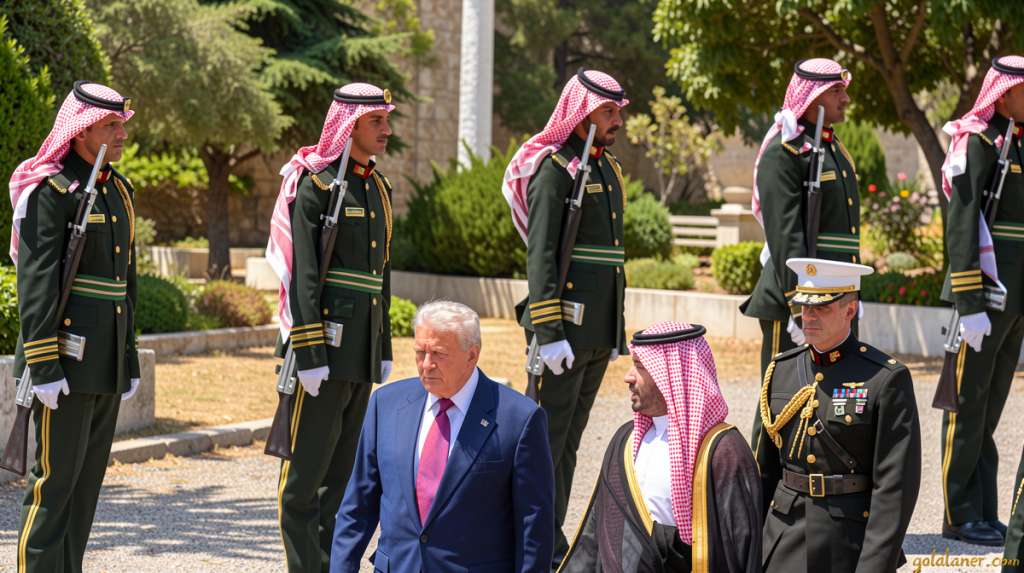
Saudi Arabia Nuclear Enrichment Deal Awaits Trump Approval
Nuclear deal that would permit uranium – A nuclear deal that would permit Saudi Arabia to enrich uranium domestically remains under review by the Trump administration. According to multiple sources and documents examined by CNN, Washington has provisionally consented to allow Riyadh to enrich uranium while bypassing certain international safeguards traditionally designed to prevent nuclear weapons proliferation. The comprehensive draft agreement, which establishes American backing for Saudi civilian nuclear initiatives, awaits President Donald Trump’s final endorsement even though bilateral negotiations between the two nations concluded in October 2025.
Geopolitical Factors Influencing the Delay
Two individuals with knowledge of the situation revealed that the continuing military conflict with Iran has significantly contributed to postponing Trump’s signature. The president has publicly stated that this war was initiated, at least in part, to stop Tehran from utilizing its enriched uranium reserves for constructing nuclear armaments. Meanwhile, certain Capitol Hill observers suggest another reason for the hesitation: the administration may be concerned about encountering a bipartisan resolution of disapproval that could prevent the agreements from becoming operational.
Industry specialists have cautioned CNN that this arrangement might ultimately enable Saudi Arabia to develop nuclear weapons if comprehensive safeguards are not implemented. Crown Prince Mohammed bin Salman has previously made clear his intention to construct nuclear weapons independently should Iran, the kingdom’s primary regional competitor, successfully acquire such capabilities.
Legal Framework and Congressional Review
Four sources indicated that the comprehensive agreement, encompassing both a civil nuclear cooperation arrangement referred to as a 123 agreement and a compulsory nuclear safeguards accord, has yet to be transmitted to Congress for examination. Federal legislation mandates that the White House submit such agreements to congressional review once they have been signed.
The White House declined to address specific inquiries about the agreements, directing CNN toward an October 2025 declaration from Energy Secretary Chris Wright that announced the conclusion of negotiations. “We’ve come together on a deal for civil nuclear cooperation,” Wright remarked during that announcement. “Together, with bilateral safeguard agreements, we want to grow our partnership, bring American nuclear technology to Saudi Arabia and keep a firm commitment to nonproliferation.”
The Saudi Arabian Embassy in Washington, DC failed to provide a response when contacted for comment regarding the pending agreements.
Unprecedented Arrangements and Technical Details
Earlier this year, the Trump administration provided briefings to certain members of Congress concerning the fundamental structure of the Saudi nuclear accords. Even at that stage, the arrangement was characterized as containing a distinctive provision permitting a measure of domestic uranium enrichment and/or plutonium reprocessing, according to one source familiar with the proceedings. That source described such an arrangement as “unprecedented” for this type of agreement.
The uranium enrichment component includes various stipulations established by the United States, though two sources noted that the precise parameters of potential restrictions remain uncertain. Furthermore, the 123 agreement does not serve as the definitive determination regarding whether Saudi Arabia will receive sensitive technologies and materials. Rather, it functions as a foundational legal framework enabling American corporations or government entities to transfer nuclear substances and technology to the recipient nation’s civilian nuclear infrastructure. These transfers remain subject to supplementary evaluation processes.
Uranium enrichment and plutonium reprocessing represent the two primary mechanisms for producing the essential materials required for nuclear weapons construction. The majority of nations operating civilian nuclear reactors that necessitate enriched uranium do not generate this material domestically; instead, they acquire it from suppliers such as the United States or Russia, receiving it in sealed containers under rigorous international supervision.
However, the draft agreement similarly does not obligate Saudi Arabia to implement a standard enhanced nuclear safeguards arrangement with the International Atomic Energy Agency, commonly referred to as the Additional Protocol. This information comes from a waiver submitted to Congress last year by the administration and a May State Department correspondence to lawmakers, both of which were examined by CNN. Consequently, the safeguards arrangement will operate exclusively through bilateral mechanisms rather than multilateral oversight.
