
Nithya Raman narrowly leads Spencer Pratt in race for second spot in Los Angeles mayoral race
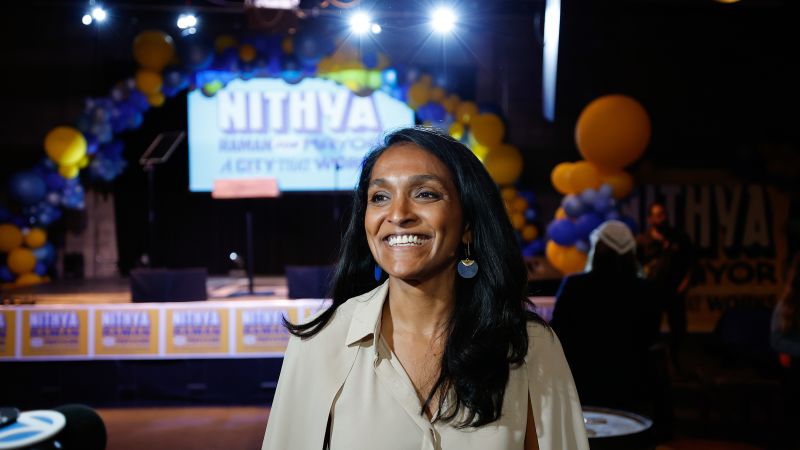
Nithya Raman Edges Out Spencer Pratt in Los Angeles Mayoral Race’s Second Spot Contest
Vote Count Details
Nithya Raman narrowly leads Spencer Pratt – Sunday evening saw a pivotal shift in the race for the second spot in the November Los Angeles mayoral election, as city councilmember Nithya Raman edged out former reality TV star Spencer Pratt. With nearly 48,000 votes reported by Los Angeles County, Raman secured approximately 40% of the tally, surpassing Pratt by around 10,000 votes. This narrow margin left her with a lead of about 3,000 votes, though the final outcome remains uncertain as additional ballots are still being processed.
Primary Election Performance
Since the conclusion of the June 2 primary election, Raman has consistently outperformed both incumbent Mayor Karen Bass and Pratt in vote accumulation. Her total count has surpassed Pratt’s by nearly 43,000 votes, while her overall share of the vote has increased by approximately five percentage points. Reports from the weekend highlighted Raman’s strongest performance to date, with her securing roughly 40% of each batch of ballots, compared to Pratt’s 18%.
Election Mechanics in California
California’s electoral system, which relies heavily on mail-in voting, often extends the resolution of races beyond the official election night. This is due to the state’s process of counting ballots received up to seven days after Election Day, provided they are properly postmarked. As a result, updates to vote totals can continue for several days, creating a dynamic landscape for candidates vying for the November general election.
While the mayoral race is officially nonpartisan, the underlying political affiliations of the candidates shape the dynamics of the contest. Spencer Pratt, a registered Republican, has positioned himself as a reformist candidate, while Nithya Raman has aligned with progressive policies. This distinction may influence voter perceptions as the race progresses, particularly in a city as politically diverse as Los Angeles.
Political Dynamics and Campaign Focus
With the November election approaching, the competition for the second spot has intensified, setting the stage for a potential runoff or final showdown. Raman’s campaign has centered on progressive issues, including economic revitalization and social equity, while Pratt has emphasized fiscal responsibility and local governance. These contrasting messages have resonated with different segments of the electorate, contributing to the tight race.
Mayor Karen Bass, currently in office, has taken a proactive stance in shaping the narrative of the upcoming contest. In a statement released Sunday, she outlined her strategy for challenging Raman in the November matchup, highlighting areas of contention. Bass criticized Raman for her absence during critical moments, such as the debate over Hollywood job preservation and the response to ICE operations in the city. “Raman was MIA on saving Hollywood jobs and fighting back when ICE invades LA,” Bass asserted, underscoring the importance of these issues in the race.
“Raman was MIA on saving Hollywood jobs and fighting back when ICE invades LA.”
Historical Context and Future Implications
The significance of the second spot in the mayoral race cannot be overstated. In a city where the November election will determine the next mayor, the choice of a running mate or a rival candidate can have lasting implications. For Raman, securing the second position would position her as a strong contender to challenge Bass in the general election, while Pratt’s lead in the early stages of the race has kept him in the running.
Historically, California’s mail-in voting system has allowed for delayed reporting, which can sway the final results. Votes cast closer to Election Day tend to favor Democrats, as mail ballots received in the final days often reflect more enthusiastic support from the party’s base. This pattern has been evident in the current race, with Raman benefiting from a surge in late-arriving ballots, particularly in densely populated areas with high voter turnout.
Remaining Challenges and Opportunities
Despite Raman’s current lead, the race is far from over. The remaining votes, which could come from uncounted mail ballots or provisional ballots, may tip the balance. Analysts note that the final tally could still shift, especially if undecided voters weigh in with their preferences. This uncertainty has kept the political arena active, with both candidates refining their messages and engaging in targeted outreach.
For Karen Bass, the challenge lies in maintaining her position as the incumbent while consolidating support for her second-place finisher. Her statement on Sunday signaled a strategic approach to the November matchup, focusing on Raman’s perceived weaknesses in key policy areas. Meanwhile, Raman’s campaign has emphasized her experience as a city councilmember and her alignment with progressive ideals, positioning herself as a viable alternative to Bass’s leadership.
Broader Impact on the City’s Political Landscape
The contest for the second spot in the mayoral race has also become a barometer for the city’s political climate. Los Angeles, a hub of cultural and economic activity, is witnessing a shift in voter priorities, with issues such as job security and immigration policy taking center stage. The race between Raman and Pratt reflects broader debates about the direction of local governance and the role of progressive versus traditional policies in shaping the city’s future.
As the vote count continues, the focus remains on the November election, where the winner of this contest will join Bass as a potential running mate. The outcome could determine the trajectory of LA’s leadership, influencing everything from urban development to public services. With the final days of the primary race approaching, the candidates are preparing for an intense final push, aiming to secure the support of undecided voters and solidify their positions in the run-up to the general election.
For now, the headlines point to Raman’s narrow advantage, but the political landscape remains fluid. The delayed counting process in California adds an element of suspense, ensuring that the race will be closely watched by analysts and voters alike. As the results continue to unfold, the significance of the second spot in the mayoral race becomes increasingly clear, with each vote shaping the destiny of Los Angeles’s next administration.
