
New US-Iran clashes revealed fragility of truce — and why it may work
New US-Iran Clashes Reveal Truce’s Fragility and Strategic Implications
New US Iran clashes revealed fragility – Recent confrontations between the United States and Iran have exposed the delicate balance of their fragile ceasefire agreement, marking a critical juncture in the ongoing conflict. This truce, initially hailed as a stepping stone toward ending the war permanently, has now been tested by renewed hostilities in the Strait of Hormuz and the Persian Gulf. The episodes highlight the mutual stakes each nation holds in maintaining stability, yet also underscore the risks of further escalation.
The Prelude to Escalation
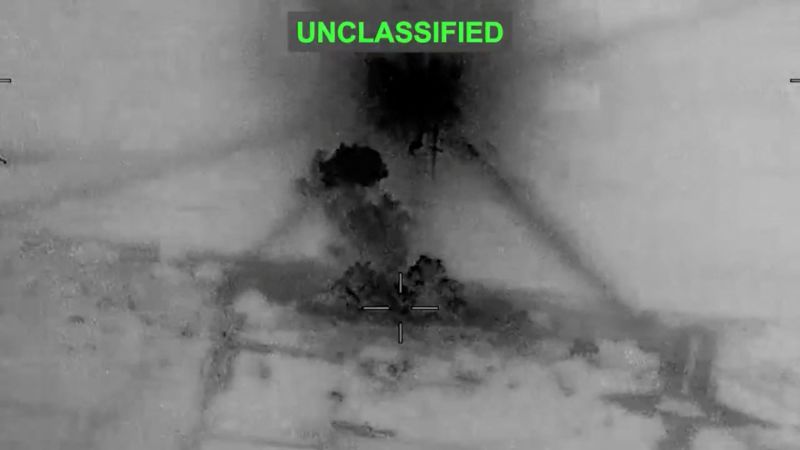
Over the past four days, a sequence of Iranian strikes on commercial vessels and retaliatory actions by the US threatened to spiral into a larger conflict. These incidents, while seemingly tactical, revealed deeper strategic maneuvering as both sides attempted to redefine the terms of their tentative agreement. The memorandum of understanding, signed to establish a temporary pause in hostilities, remains vague in key aspects, leaving room for interpretation and future disputes.
“Both sides agreed to meet in Qatar on Tuesday and will ‘stand down for now,’” said a Trump administration official, hinting at a coordinated effort to de-escalate tensions.
Iran’s Bid for Control and US Defiance
Iran’s actions appear aimed at consolidating its influence over critical maritime routes, particularly the Strait of Hormuz, which serves as a lifeline for global oil trade. By launching missile strikes at Gulf allies and US military installations, Tehran sought to establish a new regional power dynamic, positioning itself as a formidable force capable of shaping economic and political outcomes. This move also served as a subtle jab against President Trump, who has long emphasized his tough stance on Iran.
Washington, in turn, viewed Iran’s assertiveness as a threat to its regional dominance. Allowing Iran to control shipping through the strait would signal a defeat for the US, potentially granting the Islamic Republic the ability to manipulate global energy markets and exert pressure on American allies. The administration’s reluctance to let Iran dominate the waterway reflects its desire to maintain credibility and authority in the region.
The Strategic Game of Deterrence
The clashes around the Strait of Hormuz have been more than mere military posturing; they are part of a broader geopolitical contest. Secretary of State Marco Rubio’s recent visit to the Gulf underscored the US commitment to unimpeded navigation, a stance that clashed with Iran’s ambitions to impose tolls or fees on maritime traffic. This disagreement has raised questions about the agreement’s terms, particularly whether Iran’s obligation to restore free passage includes future economic leverage.
While the memorandum states Iran must ensure unobstructed maritime movement, its provisions remain open to negotiation. This ambiguity has allowed both sides to test each other’s resolve, with Iran’s provocations and the US’s countermeasures serving as a proxy for their larger ambitions. The cycle of strikes and reprisals has created a precarious equilibrium, one that could either solidify the truce or unravel it entirely.
Trump’s Rhetoric and the Risk of Escalation
President Trump’s handling of the situation has been as unpredictable as the conflict itself. His threat on Sunday that Iran would “no longer exist” if it continued to “violate” the ceasefire exemplifies his tendency to use hyperbolic language. While this warning may have pressured Tehran to back down, it also risked undermining the agreement’s credibility, especially after the US had already conceded some ground by waiving sanctions pending a final resolution.
Trump’s approach reflects a broader strategy of balancing political and economic considerations. By agreeing to the truce, he avoided a potential economic crisis that could have further damaged his approval ratings ahead of the midterm elections. Yet, his inconsistent leadership style—marked by abrupt shifts in tone and policy—leaves Iran questioning whether the US will follow through on its commitments. This uncertainty may lead Tehran to pursue bolder moves in the future, testing the limits of American resolve.
Global Economic Relief and Regional Dynamics
The resumption of normal oil shipments through the Strait of Hormuz has provided temporary relief to global markets, easing concerns over supply disruptions. This development has also helped stabilize gasoline prices, which dipped to $3.87 per gallon Sunday, according to AAA. Although this is still 30% higher than pre-war levels, it marks a significant improvement over the peak of $4.56 in late May.
Iran’s renewed oil exports, meanwhile, signal a recovery in its economy, bolstered by the truce’s stability. However, this economic gain comes with political risks, as the country now faces pressure to maintain the ceasefire while navigating internal challenges. The agreement’s success will depend on whether both nations can translate this temporary calm into lasting cooperation, a task complicated by their divergent priorities and historical mistrust.
The 250th Anniversary and Political Theater
As the US prepares to commemorate the 250th anniversary of the Declaration of Independence, the conflict has become a backdrop for Trump’s efforts to project strength and invincibility. The president’s recent rhetoric—ranging from stern warnings to Iran to conciliatory gestures toward a truce—has been carefully calibrated to align with his campaign for renewed power. Yet, the fleeting nature of the ceasefire raises doubts about his ability to sustain a long-term solution to the crisis.
Despite the truce’s promise, the ongoing clashes have served as a reminder of the war’s lingering impact. The agreement’s terms, while favorable to Iran’s economic interests, have also left the US with unresolved issues, including the future of Iran’s nuclear program and its role in the region. This delicate balance between cooperation and competition will likely define the next phase of negotiations, as both sides seek to solidify their gains while preparing for potential future conflicts.
The Road Ahead
As the dust settles from the latest flare-ups, the strategic rationale behind the truce remains clear: both the US and Iran recognize the benefits of temporary stability. For the US, this includes avoiding economic turmoil and preserving its alliances in the Gulf. For Iran, it means securing the flow of oil and testing the limits of American endurance. The challenge moving forward will be to transform this fragile arrangement into a durable framework for peace, a task that demands compromise and mutual trust.
While the current agreement has prevented a full-scale war, its future depends on the willingness of both parties to honor its terms. Trump’s legacy in this conflict may be defined by his ability to navigate the complexities of diplomacy and military action, even as his unpredictable leadership continues to shape the outcome. The Strait of Hormuz, once a symbol of tension, now stands as a testament to the delicate dance of power and negotiation that defines international relations in the modern era.
