
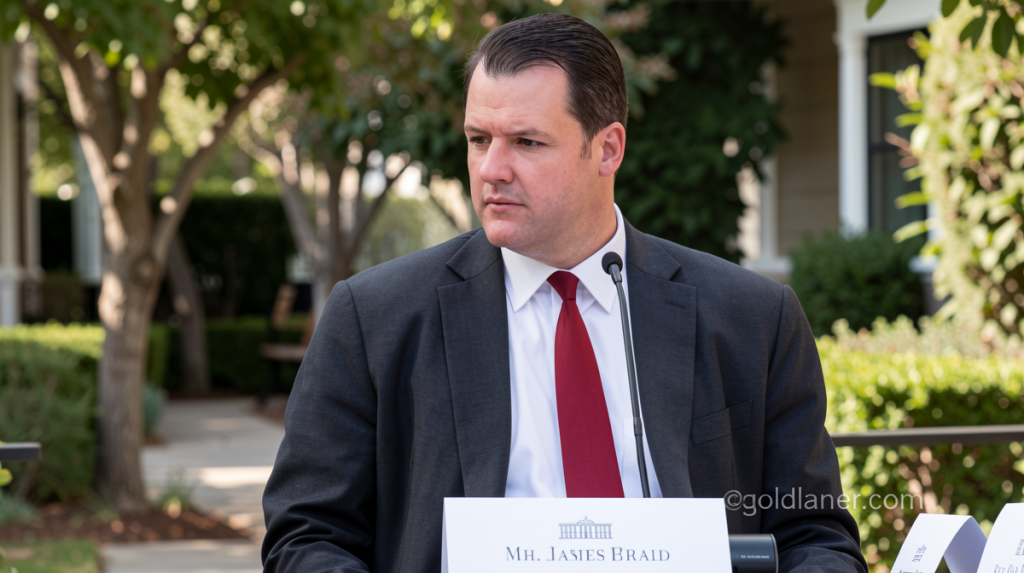
Key Trump Legislative Advisor to Depart
Goldlaner.com – The confirmation that a key Trump legislative advisor to depart the White House within weeks has sent ripples through Capitol Hill and the West Wing alike. James Braid, the 35-year-old director of legislative affairs who has served as Donald Trump’s principal congressional liaison throughout the second term, is expected to leave for a private-sector role, according to an administration official familiar with the transition. The timing—less than three months before midterm voters cast ballots—has sharpened questions about whether the remaining staff can still shepherd unfinished priority legislation through a divided Congress.
What the Legislative Affairs Desk Actually Does
The director of legislative affairs does not draft policy the way a cabinet secretary does, nor does the role manage an agency’s daily operations. Instead, the position sequences votes, identifies swing members, negotiates amendments, and sustains the relationships that keep a presidential agenda alive in a chamber where the president’s party may hold only a slim majority. Losing that coordinator in the final stretch of a two-year cycle is comparable to a campaign manager walking out weeks before election day.
Braid’s particular value to the operation lay in his ability to move lawmakers toward positions the president considered controversial. White House officials have credited his Hill relationships with helping secure passage of the sweeping tax-reduction package the president branded the “one big beautiful bill.” That omnibus vehicle, which bundled major tax cuts with other fiscal provisions, required assembling enough votes across both chambers to clear a procedural gauntlet many observers predicted would stall. By internal account, Braid’s role in assembling those votes was decisive.
A Rolodex Built Before the Inauguration
Braid’s access to the Hill was not manufactured overnight. Before JD Vance was elevated to the vice presidency, the two worked closely together, and Braid’s network of contacts among senators and House members grew out of that earlier collaboration. When Vance assumed the second seat in the executive office, Braid moved into the White House as the president’s chief legislative negotiator, bringing with him a Rolodex that many career staffers would envy. That pre-existing relationship capital is precisely what makes him difficult to replace quickly.
The official who confirmed the departure told reporters that Braid’s next appointment will be in the private sector, though no specific firm or role was identified. In Washington’s revolving-door ecosystem, a former legislative affairs director with direct presidential access and a decade of Hill relationships commands considerable value to lobbying firms, trade associations, and corporate government-affairs shops. The move follows a familiar pattern in which senior White House operators exit into private-sector advisory roles after a single term.
A Second High-Profile Exit Compounds the Disruption
Braid’s departure does not arrive in isolation. White House press secretary Karoline Leavitt announced last week that she will leave her post at the close of August. Leavitt has been among the president’s closest communicators inside the building, and her exit represents a significant restructuring of the administration’s public-information apparatus. Trump indicated that Leavitt will remain available as an outside adviser, a formulation that preserves a personal connection while formally ending her daily operational role.
“The two key departures come at a challenging moment for Trump, who’s facing low approval ratings amid the ongoing war with Iran and high gas prices, with most Americans saying he hasn’t paid enough attention to the country’s most important problems.”
The coincidence of these two exits—legislative and communications—within the same narrow window amplifies the institutional disruption. A president entering the final quarter of a midterm cycle typically needs both a functioning congressional pipeline and a disciplined messaging operation. Losing the operators who run both simultaneously forces rapid backfilling at a time when vetting, onboarding, and relationship-building normally take months.
Frequently Asked Questions
When exactly is James Braid expected to leave? Administration officials describe the departure as imminent—within weeks of the announcement. No specific last day has been publicly confirmed.
What role will Braid take after leaving the White House? The confirmed detail is that his next position will be in the private sector. No firm, title, or compensation package has been disclosed.
How does this departure affect the midterm legislative agenda? With fewer than three months before voters head to the polls, the White House must backfill a role that requires months of relationship-building. Priority bills still pending in Congress face a compressed timeline and a thinner bench of experienced negotiators.
Is there a named successor already? No successor has been publicly identified as of the latest reporting. The administration has not announced whether the replacement will come from within the existing staff or from outside the building.