
Israel shared intel on Iranian hardliners’ desire to target Trump, sources say, as Netanyahu looks to influence course of war
Israel Shared Intel on Iranian Hardliners’ Plans for Trump
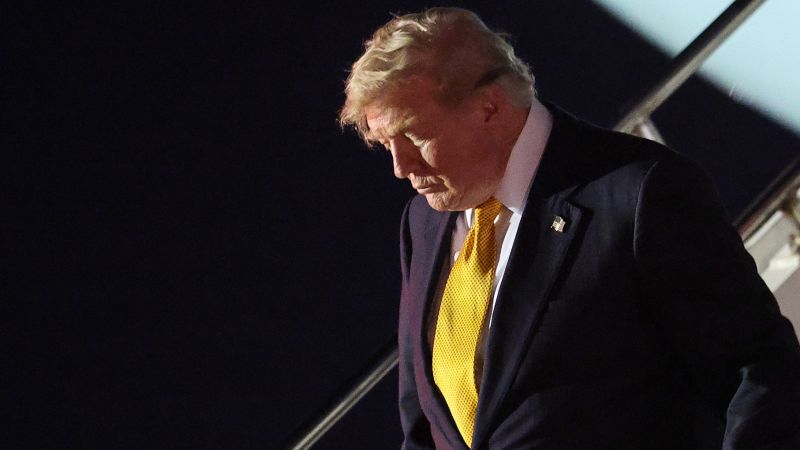
Israel shared intel on Iranian hardliners who want to target President Donald Trump, prompting the president to make an unexpected change to his travel plans while returning from a NATO summit on Wednesday. Instead of boarding the newly retrofitted aircraft donated by Qatar, Trump chose an older plane that has carried American leaders for years. Four United States officials said this decision reflected heightened security concerns as tensions with Iran intensify.
Intelligence Points to Broader Iranian Intent
According to information exchanged between Israeli intelligence agencies and the Trump administration, certain factions within Tehran’s hardline leadership harbored intentions toward the American president. This represented a general desire rather than a concrete, meticulously developed scheme. Ahmad Vahidi, who recently assumed command of Iran’s Islamic Revolutionary Guard Corps, stood among those pushing for such an initiative, as an Israeli source communicated to CNN.
Within American planning circles, Vahidi has been categorized among “obstructionists” — individuals perceived as actively working against diplomatic efforts. Should hostilities escalate into comprehensive warfare, United States officials have contemplated direct action against leaders appearing on this designation list, according to a source knowledgeable about American preparations.
Trump Responds to Intelligence Reports
During a Friday conversation with the New York Post, the president minimized the importance of intelligence initially published by the Wall Street Journal on Thursday. He characterized Iran’s threats as longstanding rather than newly emergent.
“Israel came up with nothing,” Trump remarked, noting that he has been regarded as Iran’s “number one” target “for a long time.”
Two American sources with familiarity with the situation indicated that contemporary intelligence evaluations demonstrate no evidence of a fresh, particular Iranian conspiracy aimed at eliminating Trump. Instead, there exists a continuous stream of discussion concerning multiple Iranian entities expressing interest in such an outcome.
Public Sentiment and Diplomatic Maneuvering
The impulse to confront Trump extends beyond official Iranian channels. During the extended funeral ceremonies for Ayatollah Ali Khamenei — who perished during Israel’s initial military strikes in late February — attendees displayed placards demanding that Iran eliminate the American president.
Meanwhile, diplomatic efforts continue despite growing skepticism. Trump communicated via Truth Social on Friday that “the United States has stated to them, in no uncertain terms, that the Cease Fire is OVER!” while simultaneously confirming his agreement to maintain discussions designed to reestablish a temporary halt in hostilities.
Israel’s Strategic Position
Israeli Prime Minister Benjamin Netanyahu has consistently questioned Iran’s sincerity during negotiations and has never accepted that Tehran was engaging in good faith. Rather than pursuing diplomacy, Netanyahu has advocated for renewed military engagement to diminish the Iranian regime’s strength.
Two Israeli sources indicated that the Trump administration prefers keeping Israel from direct involvement in combat operations, fearing potential loss of control over the conflict’s trajectory. One source noted that Israeli officials believe Trump seeks to avoid a return to comprehensive warfare and might only extend the existing naval blockade on Iranian harbors.
“This is fake news,” a United States official responded when questioned about Israeli interpretations of Trump’s perspective. “The United States has a strong relationship with Israel, which contributed to the resounding success of Operation Midnight Hammer and Operation Epic Fury. We remain in close coordination with our Israeli partners.”
United States intelligence professionals recognize that Israel perceives itself as excluded from critical decision-making processes. Consequently, Israeli officials have intensified their efforts to shape American thinking through various channels, including feeding information to friendly administration officials who might influence Trump’s approach to Iran. This strategy aims to prevent what Israel considers an unfavorable agreement, though some American intelligence community members view Israeli information with caution given the apparent motivation to affect presidential decisions.
