
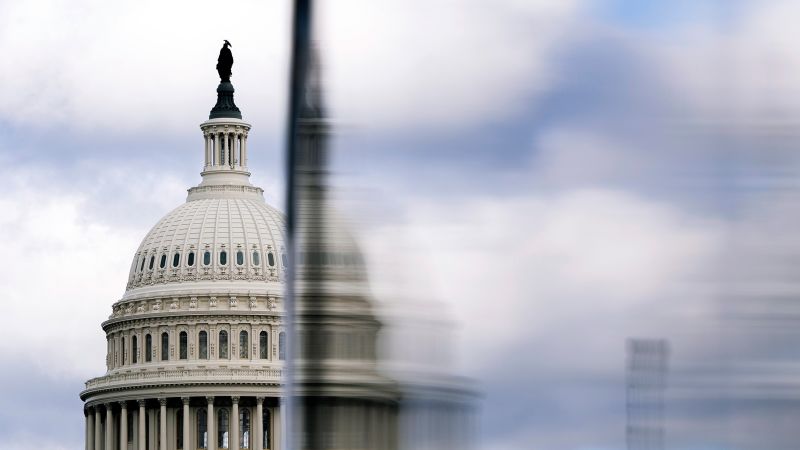
Lawmakers Sidestep Shutdown Deadline as Campaign Season Heats Up
Goldlaner.com – With less than two months remaining before Americans head to the polls to decide which party controls Congress, House members cast a decisive bipartisan vote on Tuesday to keep the federal government funded through December 11. The measure, which now travels to President Donald Trump for signature, effectively removes the specter of a government shutdown from the political landscape during what will be the most consequential stretch of the midterm campaign cycle.
The vote itself drew minimal drama on the floor. Members from both parties backed the extension in large numbers, and the chamber moved through the procedure quickly. That muted tone reflected a shared urgency: representatives and senators alike wanted to clear their schedules, return to their home districts, and resume door-to-door canvassing, phone banks, and ad buys ahead of the November contests.
What the Extension Actually Does
Under normal circumstances, federal agencies operate on annual appropriations bills. When Congress fails to pass those bills by the start of the fiscal year — October 1 — the government enters a shutdown, and non-essential workers are furloughed without pay. This year, the September 30 deadline loomed over a chamber that had already endured what is now the longest government shutdown in American history. That prior episode left deep scars: airport delays, national park closures, delayed tax refunds, and weeks of uncertainty for millions of federal employees and contractors.
By pushing the funding deadline to December 11, the House gave agencies a short-term bridge. It is not a full-year appropriations package. It is a stopgap that buys roughly six additional weeks of operational continuity. For most Americans, the practical effect is simple: paychecks continue to arrive, passport offices stay open, and federal programs do not stall during the final weeks of an election cycle when public attention is already saturated with candidate debates and polling data.
The Senate Version and Its Distinctive Provisions
The bill the House approved on Tuesday was not the version the chamber had originally drafted. Instead, members voted on the Senate’s short-term funding measure, which that chamber had passed last month before adjourning for its August recess. The two proposals diverged in several substantive respects, and those differences shaped the final text.
Most notably, the Senate version omitted dedicated funding lines for Immigration and Customs Enforcement (ICE) and Customs and Border Protection (CBP). Those two agencies already carry appropriations that extend through the end of President Trump’s current term, so a separate line item in a short-term bill would have been redundant. Their exclusion streamlined the measure and removed a point of contention that had complicated earlier negotiations.
A second distinction carried more ideological weight. The Senate text included a temporary block on a proposed administration rule that, according to critics, would further politicize the distribution of federal grants. Under the existing framework, agencies award competitive grants to universities, nonprofits, and local governments. The proposed rule, as described by its opponents, would have introduced additional discretionary criteria that could tilt award decisions toward politically aligned recipients. The temporary block suspends that rulemaking action for the duration of the funding period, preserving the status quo while Congress considers whether a more permanent fix is warranted.
Why Timing Matters for the Midterms
The November elections will determine which party holds the majority in both chambers of Congress. That outcome shapes everything from the legislative agenda to the confirmation pipeline for judicial and agency appointments. A government shutdown landing in the final weeks of the campaign would have handed opponents a potent narrative: one side could blame the other for closing federal offices, delaying benefits, and disrupting services just as voters were deciding how to cast their ballots.
By resolving the funding question now, both parties avoided handing their rivals a free attack-ad platform. The bipartisan nature of the vote — overwhelming support crossing party lines — also signaled to voters that at least one major governance function remained intact. In a cycle where polarization has made every procedural step a flashpoint, that quiet consensus was itself a political statement.
What Comes Next
The bill’s path from here is straightforward: it moves to the White House, where President Trump is expected to sign it into law. Once enacted, agencies receive their funding through December 11. After that date, Congress must again confront the appropriations question — either by passing full-year bills or by negotiating another short-term extension. Given the length of the current congressional session and the compressed calendar, a second stopgap before year’s end remains a realistic possibility.
For now, however, the immediate crisis is averted. Members of Congress can turn their attention to fundraising dinners, debate-stage appearances, and the relentless grind of the final campaign sprint. The government stays open. The voters decide what happens next.
Related Reading
Frequently Asked Questions
What is Congress votes to avert government shutdown?
Congress votes to avert government shutdown is the main topic of this guide. The article explains the context, practical details, and next steps readers should understand.
Why does Congress votes to avert government shutdown matter?
Congress votes to avert government shutdown matters because readers are looking for a useful answer, not just a short summary. Good content should match search intent and help them decide what to do next.