
Why can’t we just get rid of mosquitoes? One fed-up community is trying
Why can’t we just get rid of mosquitoes? One fed-up community is trying
Why can t we just get rid – For years, Michelle Mingrone has watched helplessly as summer turned her Capitol Hill neighborhood into a battleground. The avid gardener, who grew up in the woods, now faces an annual ritual: stepping outside means inviting swarms of mosquitoes to feast on her blood. These tiny insects, with their needle-like proboscises, are more than just a nuisance—they’re a threat. Their bites leave itchy welts and, in some cases, serious infections like malaria or Zika. “They’re unbearable. Being outdoors feels impossible,” Mingrone said. “I want my kids to play in the yard, but every year, it’s like we’re trapped inside.” Her frustration led to a bold experiment: a grassroots campaign to tackle the mosquito problem head-on, without relying on traditional pesticide methods.
A Community’s Resolve
Mingrone’s quest began in February when she contacted local officials. She discovered that the district’s mosquito control program was underfunded, with only one full-time specialist overseeing the summer operations. The limited resources meant that even the most targeted efforts were struggling to keep up. “If we’re going to make a dent, we need to do it ourselves,” she realized. That insight sparked a plan to mobilize neighbors, turning her personal annoyance into a collective action.
By March, Mingrone had posted a message on a local parenting listserv, inviting others to join her cause. “Mosquito season is nearly here, and I’m determined to take control this year,” she wrote. Her message emphasized the need for a sustainable solution, highlighting how spraying, while effective in the short term, often harms beneficial insects like bees and dragonflies. Inspired by a similar initiative in Maryland, she proposed a pesticide-free approach, targeting the root of the problem: the Asian tiger mosquito, a species notorious for its role in spreading diseases.
The response was immediate. Within just four days, Mingrone received 600 sign-ups for her “Itty Bitty Mosquito Population Committee.” The initiative, which she described as “a grassroots effort to reclaim our outdoor spaces,” relied on community participation to install traps and monitor mosquito activity. “I knew mosquitoes were a problem, and people were frustrated,” she said. “But I wasn’t ready for the level of interest. It just kind of took off.”
“Want in?” she asked, sharing a link to an interest form and a dedicated email address.
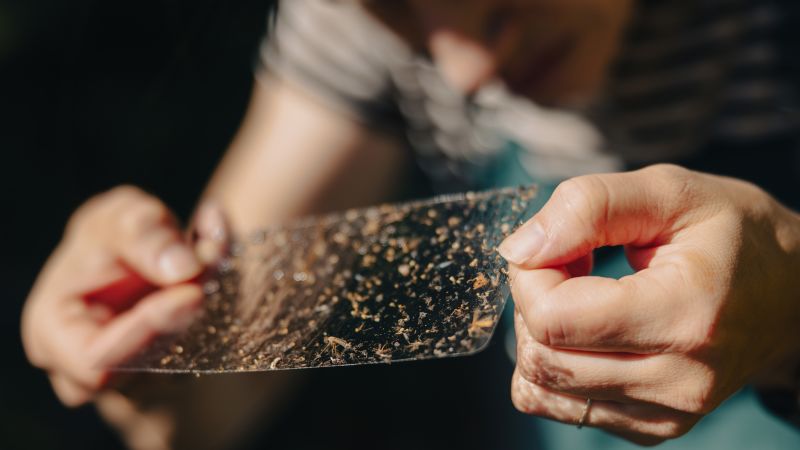
The committee’s goal was to create a network of mosquito traps, strategically placed to disrupt breeding cycles without harming the environment. Mingrone believed that collective action would make a difference, as mosquitoes don’t respect property lines. “It’s not just about me anymore,” she said. “It’s about all of us working together to make our community safer.”
Global Mosquito Challenges
While Mingrone’s efforts are localized, the mosquito problem is far from isolated. Climate change has expanded their range dramatically, pushing them into regions where they once thrived only in tropical climates. Today, mosquitoes are found in nearly every corner of the planet, far beyond their traditional strongholds in South America, Central America, and Africa. According to the World Mosquito Program, Europe has seen a surge in mosquito populations, with diseases like malaria, dengue, Zika, and chikungunya now more prevalent than before.
Extreme weather events have accelerated this trend. In Germany, for example, heavy flooding in 2024 created ideal breeding grounds for mosquitoes, leading to populations that soared to 10 times their usual size. Even Iceland, long considered one of the last mosquito-free regions on Earth, reported sightings in 2025. “Mosquitoes are shifting their distribution and frequency,” said Dr. Daniel Markowski, a technical adviser for the American Mosquito Control Association. “They’re bringing diseases into areas that lack effective control programs, which is a growing concern.”
In the United States, the situation varies. Cities like Miami and South Texas have robust integrated mosquito control programs, combining surveillance, larviciding, and adulticide applications. However, newer mosquito hotspots in the Northeast, Mid-Atlantic, and Midwest often lack the funding or staffing to match these efforts. “Municipal control hasn’t kept pace with the changing climate,” Markowski noted. “As weather patterns evolve, so do the mosquitoes—and the diseases they carry.”
The Ecology of Mosquitoes
Despite their reputation as pests, mosquitoes play a crucial role in the ecosystem. Scientists estimate that nearly 3,700 species exist, each with unique ecological functions. While some are harmful to humans, others are vital for pollination, as they feed on plant nectar for energy. This behavior makes them important contributors to biodiversity, alongside serving as a food source for other insects, birds, bats, and fish.
Most mosquitoes rely on a mix of animal hosts for their blood meals. Frogs, birds, and small mammals form the primary diet, with only a few species—like the Asian tiger mosquito—evolving to prefer human blood. These specialized species are the ones responsible for the majority of mosquito-related illnesses and deaths worldwide. According to the World Health Organization, they cause approximately 700 million illnesses and 1 million deaths annually, from diseases such as malaria, dengue fever, Zika, and West Nile virus.
Mingrone’s campaign highlights the growing urgency of addressing mosquito populations. As climate change continues to warm global temperatures, mosquito seasons are starting earlier and lasting longer. This shift has profound implications, not only for public health but also for ecosystems that depend on these insects. “We’re facing a changing landscape,” Markowski said. “Mosquitoes are adapting, and so are the diseases they spread.”
A Personal Connection
Dr. Anthony Fauci, a prominent figure in the fight against infectious diseases, recently shared his own experience with mosquitoes. In 2024, he described how a West Nile virus infection, contracted from a mosquito in his backyard, left him feeling fatigued, feverish, and delirious. “I was afraid I would never recover and return to normal,” he said. His story underscores how even in a developed country, mosquitoes remain a persistent threat, capable of causing severe health impacts.
Mingrone’s community initiative, while small in scale, represents a growing movement to tackle mosquito problems locally. By combining education, collaboration, and innovative trapping techniques, she and her neighbors aim to create a more sustainable solution. “This isn’t about eliminating all mosquitoes,” she explained. “It’s about reducing the risk for humans while preserving the environment.”
As the world grapples with climate change and its effects on disease transmission, the story of Mingrone’s neighborhood serves as a reminder of the power of collective action. Whether it’s through targeted traps or improved public health policies, the fight against mosquitoes is far from over. But in a place where the summer air is thick with biting insects, the determination to make a change is both necessary and inspiring.
