
Many kids don’t eat enough veggies. Amid a parasite outbreak in the US, what’s a parent to do?
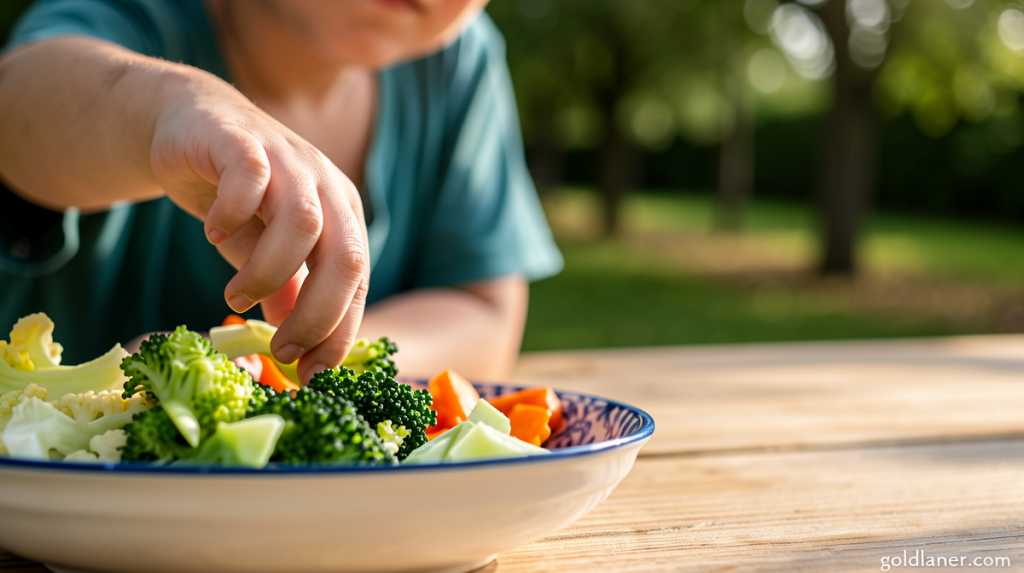
Parasite Outbreak Highlights Global Shortfall in Children’s Fruit and Vegetable Consumption
Goldlaner.com – Social media users have been quick to point out one food that rarely causes digestive distress: cookies. While this observation might tempt some to indulge more freely, a growing number of people are reconsidering their relationship with fresh produce. The hesitation stems from a multistate cyclospora outbreak in the United States, a parasite notorious for triggering explosive diarrhea alongside other unpleasant symptoms.
Unfortunately, this parasitic threat may not motivate children worldwide to increase their fruit and vegetable intake. On the contrary, a comprehensive new study published in BMJ Global Health on July 8 reveals that children globally are already falling short of recommended consumption levels. The research examined dietary surveys spanning 185 nations, offering valuable insights into what young people are eating and how those habits have evolved over time.
Understanding the Global Picture
These findings emerge as health authorities simultaneously investigate the ongoing cyclospora outbreak. For those whose concerns about foodborne illness might alter their perception of fruits and vegetables, CNN wellness expert Dr. Leana Wen provided valuable guidance. Dr. Wen brings extensive credentials to this discussion: she serves as an emergency physician and clinical associate professor at George Washington University, previously held the position of Baltimore’s health commissioner, and is a mother of two young children.
CNN’s Jacqueline Howard also contributed coverage examining which foods remain safe during the cyclospora outbreak and offering practical preparation tips before consumption.
Expert Analysis: What the Research Reveals
Cyclosporiasis is a parasitic infection that spreads from contaminated water or food that causes watery diarrhea.
When asked about current eating patterns among children, Dr. Wen highlighted the study’s key discovery: young people across nearly every global region fail to consume adequate amounts of fruits, non-starchy vegetables, legumes, nuts, seeds, and starchy vegetables. Although intake showed modest improvement over the nearly thirty-year period examined, the overall progress remains limited.
This study is one of the most comprehensive analyses to date of children’s consumption of healthy plant-based foods.
The research team compiled information from more than 1,200 dietary surveys conducted between 1990 and 2018, encompassing children and adolescents from 185 countries. Through statistical modeling, they estimated consumption levels of these essential foods.
The American Paradox: High Start, Low Finish
One particularly surprising finding concerned American children. Babies and toddlers in the United States ranked among the world’s highest consumers of fruits and vegetables, yet older children and teenagers fell into the lowest categories among high-income nations.
The study found that children younger than age 2 in the US ate nearly three servings of fruits and vegetables a day. After that, though, intake dropped to fewer than two servings a day throughout childhood and adolescence.
This decline presents a significant concern because US dietary guidelines actually recommend increasing fruit and vegetable consumption as children mature. For children under four years old, the recommendation calls for approximately 1 to 1½ servings of fruit daily alongside 1¼ to 1¾ servings of vegetables. By the time children reach adolescence, those targets rise to roughly 2 daily servings of fruit and 3 servings of vegetables.
Dr. Wen explained that one contributing factor involves parental influence. Parents exercise considerable control over what infants and toddlers consume, introducing fruits and vegetables early and striving to provide variety. However, as children age, additional influences emerge. Older children spend more time at school and with peers, eat more meals outside the home, and encounter greater access to less nutritious options. They also face increasing exposure to marketing for ultraprocessed products loaded with added sugars, sodium, and unhealthy fats.
These findings suggest that improving children’s nutrition isn’t only about educating parents of babies and young children. We also need schools, communities and food environments that make healthy choices easier throughout childhood and adolescence.
Why Plant-Based Foods Matter
Dr. Wen emphasized that fruits and vegetables deliver vitamins, minerals, fiber, and numerous other beneficial compounds that work synergistically to promote health. During childhood, these foods supply essential nutrients required for proper growth and development. Establishing healthy eating patterns early in life proves particularly important, as such habits tend to persist into adulthood.
Children who regularly consume fruits and vegetables build stronger foundations for lifelong wellness, even as temporary concerns like the cyclospora outbreak may cause momentary hesitation. The key lies in proper food preparation and maintaining perspective about the long-term benefits of plant-based nutrition for developing bodies.
Related Reading
Frequently Asked Questions
What is Many kids don t eat enough?
Many kids don t eat enough is the main topic of this guide. The article explains the context, practical details, and next steps readers should understand.
Why does Many kids don t eat enough matter?
Many kids don t eat enough matters because readers are looking for a useful answer, not just a short summary. Good content should match search intent and help them decide what to do next.
