
Boo who? Gen Z loves horror because real life has scared them plenty
Boo who? Gen Z loves horror because real life has scared them plenty
Boo who Gen Z loves horror – Life for members of Generation Z has become a series of challenges—economic instability, school shootings, and a global pandemic have all contributed to a sense of unease that permeates their daily experiences. These realities have sparked a growing fascination with horror films, with titles like *Obsession* and *Backrooms* drawing audiences to theaters in search of stories that mirror their own anxieties. Filmmakers are tapping into this collective fear, crafting narratives that resonate deeply with a generation navigating a turbulent world. As a result, horror has evolved into a genre that reflects the darker, more introspective aspects of modern existence rather than just focusing on visceral scares.
The New Face of Horror
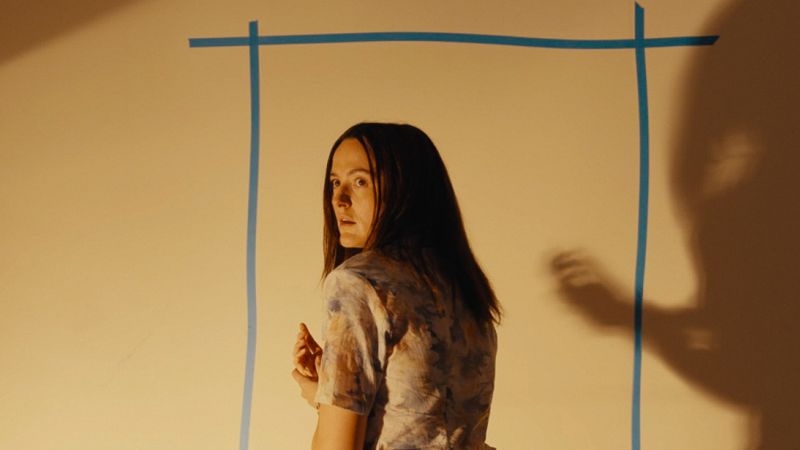
Lauren Cook, a therapist and author of *Generation Anxiety: A Millennial and Gen Z Guide for Staying Afloat in Uncertain Times*, notes that horror has shifted to align with Gen Z’s concerns. “The genre of horror has kind of shifted with Gen Z, where it’s exploring some darker real life concepts sometimes rather than just the gore and things like that,” she said. While *Obsession*, directed by 26-year-old YouTuber Curry Baker, features its share of bloody scenes, the film also delves into deeper themes, such as red pill culture. This concept suggests that men are now living in a society perceived as unfairly biased against them, prompting a call for the end of feminism and a return to traditional values. The story follows Michael Johnston, a man who wishes upon a magical toy branch for the affection of his unrequited love interest, Indie Navarrette, to be reciprocated. It’s a narrative that balances surreal elements with emotional weight, making it more than just a surface-level scare.
Meanwhile, *Backrooms*, helmed by Gen Z filmmaker Kane Parsons, takes a psychological approach to horror. The film stars Chiwetel Ejiofor as a furniture store owner who spirals into his own heart of darkness. Inspired by Parsons’ YouTube series, the movie tackles themes like isolation, trauma, and the feeling of being trapped in limited possibilities—issues that have become all too familiar for younger audiences. “They enjoy the honesty that horror can bring. It’s not trying to sugarcoat things,” Cook added. This authenticity allows Gen Z to connect with the genre on a more profound level, embracing its morbidity rather than avoiding it. According to Cook, this ability to sit with darker themes is a strength that sets this generation apart from previous ones.
Why Gen Z Embraces the Fear
For those born roughly between 1997 and 2012, the past decade has been marked by a series of unsettling events. The 2008 financial crisis cast a long shadow over their formative years, while the current job market, increasingly influenced by artificial intelligence, presents new uncertainties. Climate disasters, such as Hurricane Katrina, and the routine normalization of active shooter drills in schools have further deepened their sense of vulnerability. “It’s been a lot,” Cook acknowledged, emphasizing how these challenges have shaped their worldview.
Horror films now serve as a mirror for Gen Z’s fears, offering a space to confront the anxieties of their reality. Kaitlyn Ruano, a 23-year-old high school teacher and film critic at The Drama Drive-In, highlighted how each generation is defined by its own horror subgenre. From the slasher films of the 1970s to the satanic panic-driven *The Craft* of the 1980s and 1990s, and the action-heavy zombie movies of the 2000s—reflecting the war on terror and a militaristic tone in American culture—horror has always been tied to the societal issues of its time. “I think because Gen Z tends to be very focused on social issues, that’s kind of a defining factor of our generation that horror plays into really well,” Ruano explained.
Data Backs the Trend
Statistical evidence supports this cultural shift. A report published last year by market research firm Statista revealed that Gen Z consumers are the most likely age group to watch horror movies or TV shows, with 91% of them doing so. Cathy Boxall, global head of entertainment at advertising agency Dentsu, cited this finding in a recent analysis, calling it “the highest share of any generation.” The data also shows that horror is now the third most popular genre among Gen Z, following comedy and action. Scary movies now account for 17% of North American ticket sales, a significant increase from 4% a decade ago.
This surge in popularity has not gone unnoticed by Hollywood studios. A24, the production company behind *Backrooms*, noted that Kane Parsons became the youngest filmmaker in history to achieve a No. 1 box office debut. Gen Z’s support helped the film gross $80 million in North America and $120 million worldwide during its opening weekend. Similarly, *Obsession*, produced by Focus Features and Blumhouse Productions, captured the No. 2 spot that same weekend and has since earned close to $150 million globally. These figures are staggering when considering the film’s modest budget of about $750,000, underscoring the power of Gen Z’s collective appetite for horror.
Horror as a Reflection of Reality
Both *Obsession* and *Backrooms* exemplify how modern horror is increasingly intertwined with real-world issues. While *Obsession* blends magical realism with emotional turmoil, *Backrooms* offers a psychological exploration of inner demons. These films are not just entertainment—they are a response to the chaos Gen Z has witnessed. The ability of horror to distill complex emotions and societal fears into digestible, impactful stories makes it a compelling choice for a generation that has grown up in the shadow of uncertainty.
As Gen Z continues to shape the cinematic landscape, their influence is evident in the way horror is being reimagined. The genre is no longer just about monsters under the bed or jump scares in the dark; it’s about the systemic pressures, personal struggles, and existential dread that define their lives. From the aftermath of the 2008 crisis to the ongoing debates about gender roles and AI-driven job markets, these films capture the essence of a generation that has had to endure more than their predecessors. “They can sit with that morbidity a little bit more than maybe previous generations have,” Cook said. “I think that’s actually a strength.”
A New Era of Fear and Fascination
With their unique perspective, Gen Z is not only consuming horror but also redefining it. Their stories are no longer just about supernatural entities or isolated incidents—they are about the interconnectedness of personal and societal challenges. As the box office numbers grow and studios invest in projects that speak to this generation’s experiences, horror is becoming a genre that bridges the gap between the surreal and the real. This trend reflects a broader cultural movement where young audiences are seeking stories that validate their fears and offer a sense of shared understanding in an increasingly fragmented world.
The success of films like *Obsession* and *Backrooms* signals a new era for horror, one where the genre is driven by the anxieties of the present rather than the nostalgia of the past. As Gen Z continues to navigate their reality, they will likely continue to demand more from horror films, pushing creators to explore deeper, more nuanced themes. This evolution not only honors the genre’s history but also ensures its relevance for the challenges of tomorrow.
