
Sky-high World Cup ticket prices spark investigation by NY and NJ attorneys general
Sky High World Cup Ticket Prices Under Scrutiny by NY and NJ Attorneys General
Subpoena Targeting FIFA’s Pricing Practices
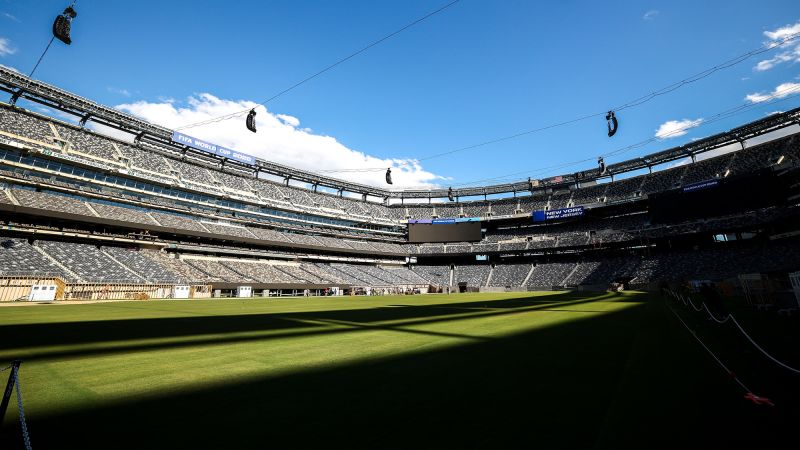
Sky high World Cup ticket prices – Lawmakers in New York and New Jersey have initiated a probe into the elevated costs of World Cup tickets, alleging that FIFA misled fans about pricing and seat availability. On Wednesday, attorneys general Letitia James and Jennifer Davenport from the two states jointly subpoenaed documents from the tournament organizers, seeking details on how prices were set for matches at the MetLife Stadium in New Jersey. The stadium, temporarily renamed the New York New Jersey Stadium for the event, has become central to the investigation due to claims of inconsistent seat mapping and pricing tactics.
FIFA’s pricing model for group matches in the U.S. has sparked confusion among attendees. Initially, the MetLife Stadium was divided into four zones, Category 1 through 4, with lower numbers indicating better viewing positions. However, after ticket sales began, the organization introduced new zones within existing categories, creating a front section that reportedly shifted the perceived value of seats. Critics argue that this change led to buyers receiving less desirable spots, such as rear areas or behind the goals, despite being charged for front-row access.
Price Escalation and Resale Frenzy
World Cup ticket prices in the U.S. have surged, with group matches starting at $60 and standard seats exceeding $600. The final, however, has become emblematic of extreme pricing, with face-value tickets reaching $10,990. Resale platforms further inflated prices, with some final tickets fetching over $2 million. This has intensified public dissatisfaction, as fans face significant financial strain to attend the event.
In response to the affordability crisis, New York Mayor Zohran Mamdani unveiled a plan to offer $50 tickets to residents. While this initiative aims to offset the soaring costs, the attorneys general stress that FIFA’s pricing practices remain under review. “Being honest about ticket sales is not complicated,” stated Jennifer Davenport of New Jersey. “Yet FIFA has transformed buying a World Cup ticket into a process of confusion, fake scarcity, and exorbitant prices.” Her comments reflect growing concerns that FIFA’s strategies may have manipulated demand and driven up costs.
Legal Concerns and Fan Frustrations
The investigation has highlighted potential misinformation in FIFA’s communication during ticket sales. Officials suspect that promotional materials and public statements may have created false expectations about seat quality and availability. Fans have raised complaints, noting that they were charged for seats in newly defined front zones but ended up with less favorable locations. This discrepancy has raised questions about transparency and equitable pricing.
FIFA claims its pricing strategy is based on market demand, with costs varying according to match popularity. While this is typical for major events, the attorneys general argue it has been applied in a way that prioritizes profit over accessibility. Letitia James of New York emphasized, “Fans deserve to trust that the tickets they purchase will reflect the seats they receive.” The investigation now scrutinizes whether seat maps were intentionally altered to maximize revenue, adding another layer to the controversy.
Broader Implications and Legal Actions
As the probe progresses, other states are expected to join the effort. California Attorney General Rob Bonta has already requested FIFA documents to assess potential legal violations. This signals a nationwide concern over whether pricing practices during the 2026 World Cup, co-hosted by the U.S., Mexico, and Canada, comply with consumer protection laws. Matches will be held across all three countries, beginning on June 11 and culminating in a final on July 19.
With the investigation ongoing, fans and critics are demanding clarity on FIFA’s ticketing process. The organization has yet to respond to CNN’s inquiry, leaving the situation unresolved. The scrutiny on sky high World Cup ticket prices underscores a broader debate about how large sporting events balance profitability with fan accessibility, particularly in the context of a global tournament hosted in the U.S.
